


Rotary Vacuum Drum Filter Manufacturer
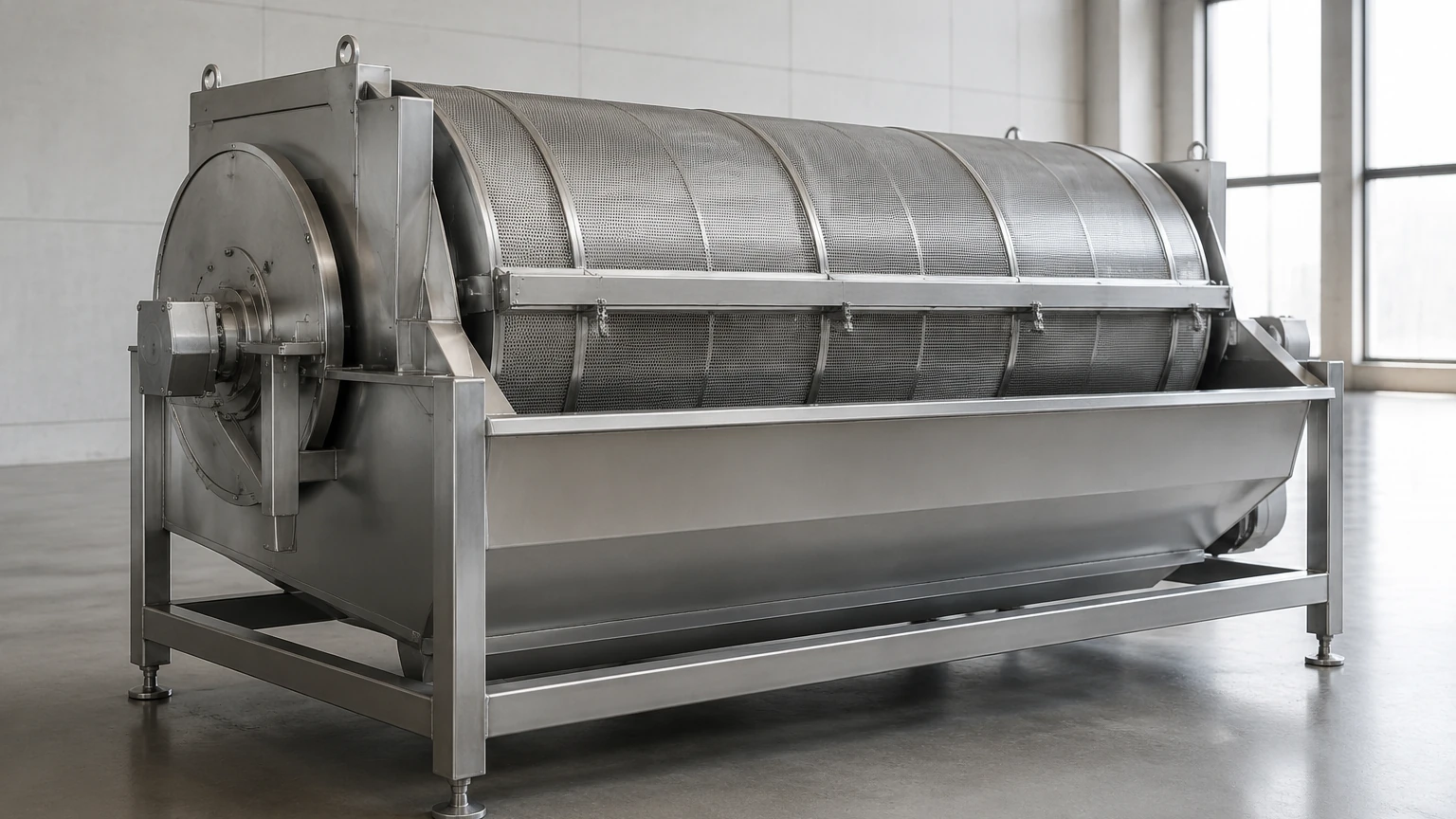
In industrial liquid-solid separation, the efficiency of a process often hinges on the reliability of continuous filtration systems. Among the most versatile and widely adopted technologies is the rotary vacuum drum filter (RVDF). As a specialized rotary vacuum drum filter manufacturer or a provider of the critical filtration media used within these systems, understanding the intersection of mechanical engineering and material science is essential for optimizing industrial throughput. These systems are designed to handle high-solids slurries, providing a continuous cycle of cake formation, washing, drying, and discharge that is indispensable in chemical processing, mining, pharmaceutical production, and food and beverage manufacturing.
Selecting the right filtration partner involves more than just purchasing equipment; it requires a deep dive into the technical specifications of the filtration media, the structural integrity of the drum, and the compatibility of materials with the process fluid. For engineers and procurement teams, the goal is to achieve the lowest possible moisture content in the filter cake while maintaining a high filtrate flow rate and ensuring long-term durability of the filtration components.
Principles of Rotary Vacuum Drum Filtration
The rotary vacuum drum filter operates on the principle of pressure differential. The drum, partially submerged in a vat containing the slurry, is divided into internal sections connected to a vacuum source through a specialized valve. As the drum rotates, the vacuum draws the liquid (filtrate) through a filter medium—typically a precision-engineered stainless steel wire mesh or specialized cloth—leaving the solids to accumulate on the exterior surface as a "cake."
An effective filtration cycle consists of four distinct phases:
1. Cake Formation: The submerged portion of the drum uses vacuum pressure to pull solids onto the filter media.
2. Cake Washing: As the drum rotates out of the slurry, wash liquid may be applied to remove impurities from the cake.
3. Drying: The vacuum continues to pull air through the cake to reduce moisture content to the desired level.
4. Discharge: The cake is removed from the drum surface using various mechanisms, such as scrapers, rollers, or strings, before the cycle repeats.
For any industrial facility, the choice of a Main Page for sourcing these components is critical to ensuring that the filtration media can withstand the mechanical stresses of continuous rotation and the chemical environment of the slurry.
The Critical Role of Stainless Steel Filtration Media
While the drum provides the mechanical structure, the filtration medium is the component that determines the success of the separation. A professional rotary vacuum drum filter manufacturer often emphasizes the transition from traditional synthetic cloths to advanced stainless steel wire mesh for demanding applications. Stainless steel offers several advantages that are critical for industrial-scale operations.
Durability and Mechanical Strength
In high-volume industrial processes, synthetic filter cloths are prone to stretching, tearing, and blinding (clogging). Stainless steel wire mesh, particularly in grades like 304, 316L, or 904L, provides the structural rigidity necessary to maintain consistent pore sizes under the constant tension of the drum. This prevents the deformation of the filtration surface, ensuring a uniform cake thickness across the entire width of the drum.
Chemical and Thermal Resistance
Many industrial slurries involve extreme pH levels or elevated temperatures that would degrade polymer-based media. Stainless steel is inherently resistant to a wide range of corrosive agents and can operate at temperatures far exceeding the limits of synthetic materials. This makes it the preferred choice for chemical processing and pharmaceutical applications where sterilization or aggressive cleaning protocols are standard.
Precision Micron Ratings
Modern manufacturing techniques allow for the production of stainless steel mesh with highly precise micron ratings. This precision ensures that the rotary vacuum drum filter can capture fine particles without sacrificing flow rate. Engineers must balance the need for high retention with the requirement for low resistance to filtrate flow to maximize the efficiency of the vacuum system.
Engineering Considerations for Selection
When evaluating a rotary vacuum drum filter manufacturer, technical professionals must confirm several engineering parameters to ensure the equipment meets the specific needs of their application. The "one size fits all" approach rarely works in complex industrial filtration.
Slurry Characteristics
The physical properties of the slurry—such as particle size distribution, solids concentration, and viscosity—dictate the required drum speed and vacuum level. A slurry with a high percentage of fines may require a precoat filter, where a layer of diatomaceous earth or perlite is applied to the drum before the main filtration begins to prevent the primary mesh from blinding.
Discharge Mechanisms
The method of cake removal is another critical design choice. A scraper discharge is common for thick, easily released cakes, while a belt discharge is better for thin, sticky cakes that require the filter medium to be removed from the drum for thorough cleaning. A manufacturer must be able to customize the drum surface and the filtration media to accommodate these different mechanical stresses.
Flow Rate and Flux
Flux, or the rate of filtrate flow per unit area of the filter surface, is a primary performance metric. It is influenced by the vacuum level, the thickness of the cake, and the permeability of the filter medium. Professional manufacturers provide detailed flux data based on pilot testing or historical performance in similar applications to help engineers size the equipment correctly.
Customization and OEM Solutions
In the B2B sector, the ability to provide customized filtration solutions is a significant differentiator. Industrial processes are rarely identical, and a rotary vacuum drum filter manufacturer must be capable of adapting designs to fit existing infrastructure or unique process requirements. This includes customizing the drum diameter, length, and internal piping configurations.
Furthermore, OEM (Original Equipment Manufacturer) capabilities are vital for companies that integrate filtration systems into larger plant designs. Custom-designed stainless steel filter cartridges and precision metal filter components can be engineered to fit seamlessly into the RVDF assembly, ensuring that replacement parts are readily available and meet the original performance specifications. By working closely with a manufacturer that understands both the mechanical assembly and the filtration science, purchasing teams can reduce the risk of system incompatibility.
Maintenance and Operational Efficiency
The total cost of ownership (TCO) for a rotary vacuum drum filter is heavily influenced by maintenance requirements and the lifespan of the filtration media. While the initial investment in stainless steel mesh may be higher than synthetic alternatives, the extended service life and reduced downtime often result in a lower TCO.
Cleaning Protocols
Over time, even the best filtration media can suffer from blinding. Stainless steel components are compatible with Clean-in-Place (CIP) systems, allowing for high-pressure washing or chemical cleaning without removing the media from the drum. This significantly reduces labor costs and process interruptions.
Replacement Cycles
Engineers should inquire about the expected replacement cycles for the filtration media under specific operating conditions. A reputable manufacturer will provide guidance on monitoring pressure differentials and filtrate clarity to determine the optimal time for replacement, preventing catastrophic failures that could lead to unscheduled plant shutdowns.
Applications Across Key Industries
The versatility of the rotary vacuum drum filter makes it a staple in several major industrial sectors:
* Chemical Processing: Used for the separation of catalysts, salts, and pigments from process streams. The corrosion resistance of stainless steel is paramount here.
* Food and Beverage: Ideal for starch dewatering, sugar juice filtration, and fruit juice clarification. In these applications, food-grade materials and ease of sterilization are non-negotiable.
* Pharmaceuticals: Used in the recovery of active pharmaceutical ingredients (APIs) and the filtration of fermentation broths. High precision and purity are the primary requirements.
* Water Treatment: Effective for sludge dewatering in municipal and industrial wastewater treatment plants, helping to reduce the volume of waste for disposal.
Conclusion: Selecting a Reliable Filtration Partner
Choosing a rotary vacuum drum filter manufacturer requires a comprehensive evaluation of their technical expertise, manufacturing quality, and ability to provide tailored solutions. For engineers and purchasing teams, the priority is to find a partner that understands the nuances of liquid-solid separation and can deliver durable, high-performance filtration components that withstand the rigors of industrial use.
By focusing on high-quality materials like stainless steel and ensuring that every aspect of the filter—from the micron rating to the discharge mechanism—is optimized for the specific application, industrial facilities can achieve consistent product quality and operational efficiency. For more information on specialized filtration components and custom stainless steel solutions, technical professionals can explore the Main Page of industry leaders to find the support needed for their next project. Investing in the right filtration technology today ensures a more resilient and productive manufacturing process for years to come.
