


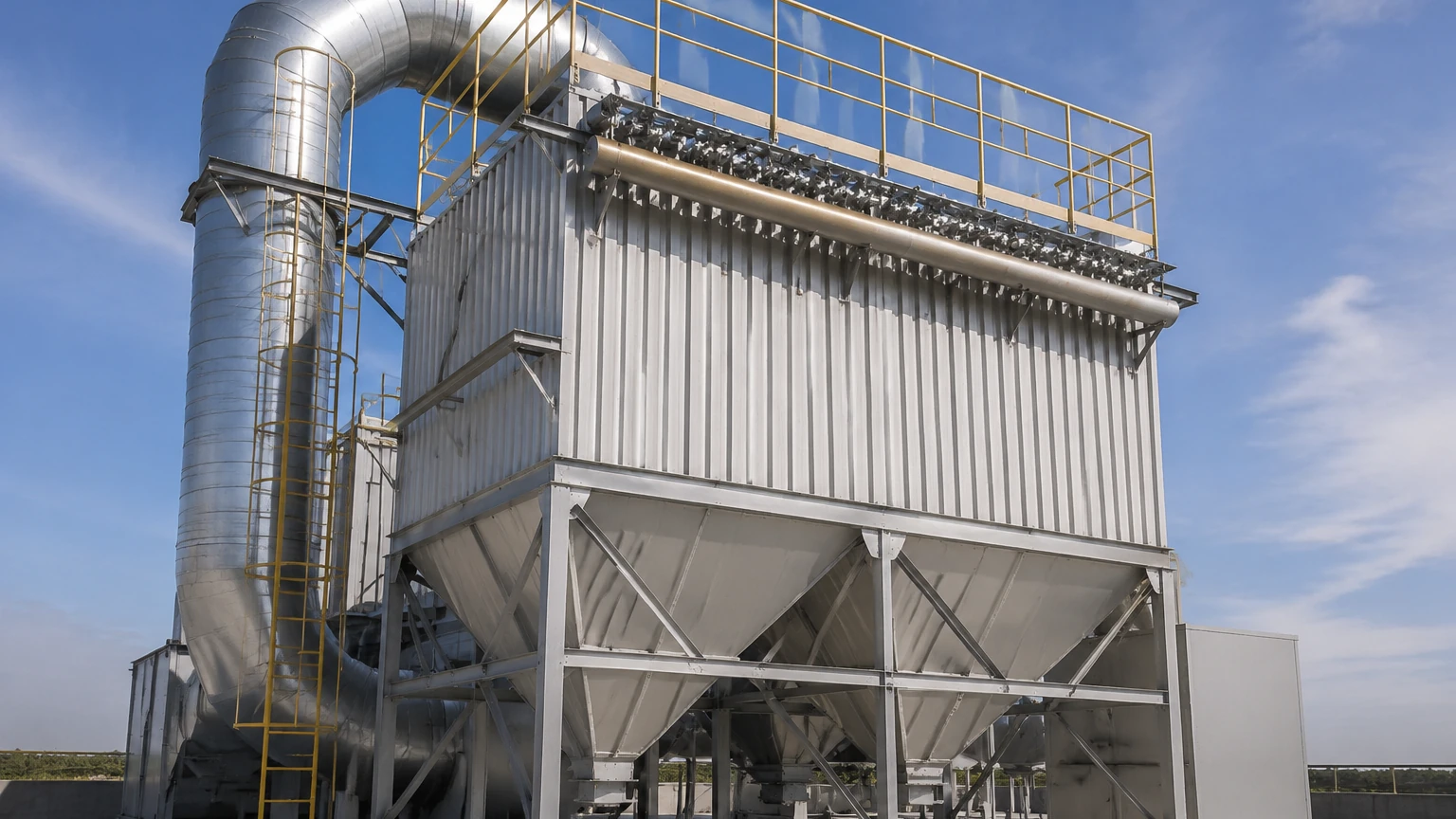
Ft Pulse Jet Baghouse Dust Collector
In industrial environments where air quality and particulate recovery are paramount, the ft pulse jet baghouse dust collector stands as a cornerstone of environmental control and process efficiency. This filtration system is designed to handle high volumes of dust-laden air, utilizing a high-pressure compressed air cleaning mechanism to maintain continuous operation. For engineers and facility managers, understanding the technical nuances of these systems—ranging from the physics of pulse cleaning to the material integrity of internal components—is essential for optimizing performance and minimizing the total cost of ownership.
While traditional baghouses often utilize fabric media, the integration of precision-engineered metal components, such as stainless steel support cages and specialized wire mesh pre-filters, is critical for system longevity. As a specialist in custom stainless steel filtration, Kaifil provides the technical support and high-performance components necessary to ensure these systems meet the rigorous demands of chemical, pharmaceutical, and food processing applications.
The Mechanics of Pulse Jet Filtration
The fundamental advantage of an ft pulse jet baghouse dust collector is its ability to clean filter media without interrupting the airflow. Unlike shaker or reverse-air systems, which often require a compartment to be taken offline for cleaning, the pulse jet system operates in a continuous cycle.
The Cleaning Cycle
Dust-laden air enters the collector, where heavier particles drop into a hopper due to a loss of velocity. Finer particles are trapped on the exterior surface of the filter bags. As the dust layer (or "dust cake") builds up, the differential pressure across the media increases. Once a predetermined set point is reached, a pulse of high-pressure compressed air (typically 60 to 100 PSI) is released from a manifold through a solenoid valve. This air travels through a venturi at the top of the bag, creating a shockwave that causes the bag to expand rapidly and then snap back against its support cage. This mechanical flex dislodges the dust cake, which falls into the collection hopper.
Engineering the Pulse
The effectiveness of this cleaning cycle depends on the duration and pressure of the air pulse. If the pulse is too weak, the dust cake remains, leading to high pressure drops and reduced airflow. If it is too aggressive, it can drive fine particles deep into the media fibers (blinding) or cause premature wear on the filter material. Precision-engineered venturis and properly spaced blowpipes are necessary to ensure the air pulse is distributed evenly across the entire length of the filter.
Critical Engineering Considerations for System Selection
Selecting or designing an ft pulse jet baghouse dust collector requires a deep dive into several engineering variables. These factors dictate not only the size of the unit but also its operational efficiency and maintenance frequency.
Air-to-Cloth (A/C) Ratio
The A/C ratio, also known as the filtration velocity, represents the volume of air passing through one square foot of filter media per minute (expressed in ft/min or CFM/ft²). For pulse jet systems, this ratio typically ranges from 3:1 to 6:1, depending on the dust type and concentration. A lower A/C ratio reduces the velocity of particles hitting the media, which extends filter life and improves collection efficiency. Engineers must balance the desire for a compact footprint (higher A/C ratio) with the need for long-term reliability (lower A/C ratio).
Differential Pressure Management
Differential pressure ($ΔP$) is the most significant indicator of baghouse health. A stable $ΔP$ indicates that the cleaning system is effectively balancing the rate of dust accumulation with the rate of removal. High $ΔP$ increases the load on the system's fan, leading to higher energy consumption and potential motor failure. By utilizing high-quality internal components and optimized cleaning sequences, operators can maintain a lower average $ΔP$, significantly reducing operational costs.
Can Velocity and Re-entrainment
Can velocity refers to the upward air speed between the filter bags. If this velocity is too high, the dust dislodged during the pulse cleaning cycle will be swept back onto the bags (re-entrainment) before it can settle into the hopper. Proper spacing of the filter elements, often supported by rigid stainless steel cages, is vital to maintaining an appropriate can velocity and ensuring efficient dust settlement.
The Role of Stainless Steel in High-Performance Filtration
In demanding industrial environments, the choice of materials for the internal components of an ft pulse jet baghouse dust collector is just as important as the filter media itself. This is where the expertise of a manufacturer like Kaifil becomes indispensable. For more detailed technical specifications on metal filtration components, engineers can visit the Main Page to explore customized solutions.
Stainless Steel Support Cages
The cage is the structural backbone of the filter bag. In corrosive environments—such as chemical processing or food production involving acidic vapors—standard galvanized steel cages will eventually succumb to rust. Corrosion creates rough surfaces that can tear the filter media during the pulse cycle. Utilizing 304 or 316L stainless steel for cages ensures a smooth, non-reactive surface that extends bag life and prevents process contamination.
Specialized Wire Mesh Filters
In certain high-temperature or high-pressure applications, traditional fabric bags may not suffice. Custom-designed stainless steel wire mesh filter cartridges can be integrated into pulse jet systems. These metal elements offer superior chemical resistance and can withstand temperatures far exceeding the limits of synthetic fibers like Nomex or Ryton. Furthermore, stainless steel mesh provides precise filtration ratings and can be cleaned and reused, offering a sustainable alternative to disposable bags.
Venturis and Manifolds
Precision-machined stainless steel venturis are often used to maximize the Coanda effect during the pulse cleaning cycle. By optimizing the geometry of these components, engineers can ensure that the compressed air pulse draws in the maximum amount of secondary air, increasing the cleaning energy without increasing compressed air consumption.
Material Selection and Chemical Compatibility
The success of an ft pulse jet baghouse dust collector depends on matching the filter media and hardware to the specific characteristics of the gas stream. Engineers must evaluate the following:
* Temperature: Standard polyester bags are limited to approximately 275°F (135°C). For higher temperatures, fiberglass or specialized metal media must be used.
* Moisture and Oil: If the gas stream contains moisture or oils, the dust can become "sticky," leading to irreversible blinding of the media. In these cases, oleophobic or hydrophobic coatings are required, and the internal metal structures must be resistant to potential localized corrosion.
* Chemical Attack: Acidic or alkaline gases can rapidly degrade both the filter media and the support structures. 316L stainless steel is often the preferred material for internal components in these scenarios due to its superior resistance to pitting and crevice corrosion.
Maintenance, Replacement, and Total Cost of Ownership
While the initial capital expenditure for a dust collection system is significant, the long-term costs are dominated by energy consumption and maintenance. A well-engineered ft pulse jet baghouse dust collector should be viewed as a long-term asset that requires a proactive maintenance strategy.
Replacement Cycles
Filter bags are considered consumables, but their lifespan can vary from six months to several years. The primary causes of premature failure include mechanical abrasion against the cage, chemical degradation, and excessive thermal excursions. By using precision-manufactured stainless steel cages from Kaifil, the mechanical wear is minimized, allowing the media to reach its full theoretical lifespan.
Troubleshooting Common Issues
1. High Pressure Drop: Often caused by inadequate compressed air pressure, moisture in the air lines (causing "mudding" on the bags), or an undersized collector.
2. Visible Emissions: Typically indicates a torn bag or a faulty seal at the tubesheet. Regular leak detection tests using fluorescent powder can identify these issues before they lead to regulatory non-compliance.
3. Short Bag Life: Often the result of improper cage fit. If a cage is too small, the bag will flex excessively; if it is too large, the bag is difficult to install and may be stressed at the seams.
Conclusion: Making Informed Purchasing Decisions
When specifying an ft pulse jet baghouse dust collector, engineers must look beyond the basic CFM requirements. A truly efficient system is the result of integrated engineering—where the pulse cleaning logic, the air-to-cloth ratio, and the material science of the internal components work in harmony.
For industries requiring high-precision filtration and durable hardware, the choice of stainless steel components is a strategic investment. High-quality wire mesh filters and support structures not only protect the environment but also safeguard the process equipment downstream. By focusing on durability and precision, facilities can achieve a lower total cost of ownership and more reliable operational performance. To review product options and application support for your specific filtration needs, visit the Kaifil Main Page for expert guidance on customized industrial solutions.
