


Garden Metal Net Filter
In professional landscaping, commercial horticulture, and large-scale irrigation infrastructure, the reliability of water distribution systems is paramount. At the heart of these systems lies the garden metal net filter—a critical component designed to protect sensitive downstream equipment such as solenoid valves, micro-sprinklers, and high-pressure pumps from particulate contamination. Unlike residential-grade plastic strainers, industrial metal net filters are engineered to withstand mechanical stress, chemical exposure, and fluctuating environmental conditions, ensuring long-term operational efficiency.
For engineers and procurement specialists, selecting the appropriate filtration solution requires a deep understanding of material science, fluid dynamics, and the specific contaminants present in the water source. Whether sourcing water from municipal lines, deep wells, or open reservoirs, the garden metal net filter serves as the first line of defense against sand, silt, organic debris, and scale.
Technical Foundations of Metal Net Filtration
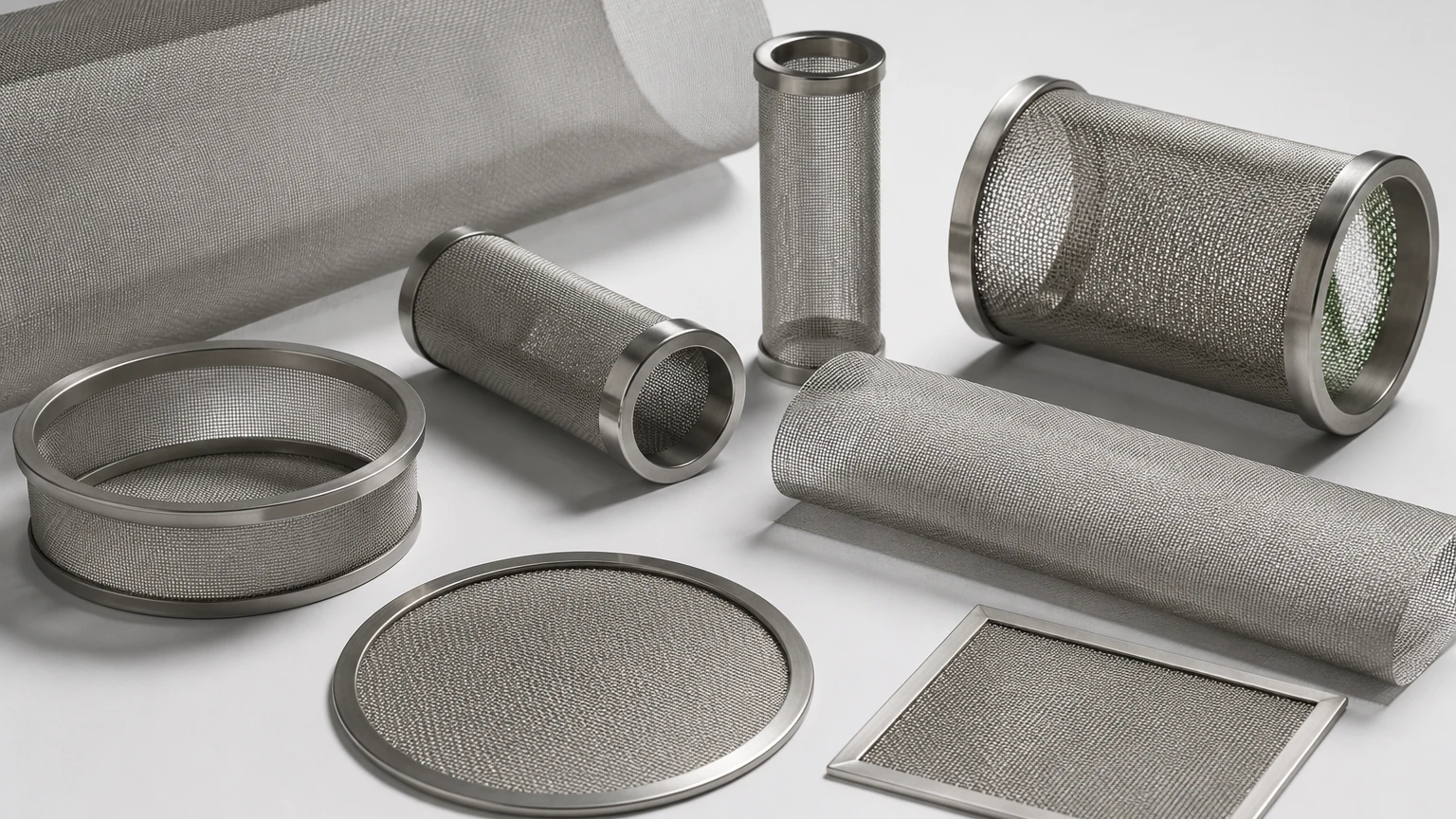
The term "garden metal net filter" typically refers to a stainless steel wire mesh or perforated metal component integrated into a filtration housing. The primary function is mechanical separation: the filter allows water to pass through while trapping solids larger than the mesh aperture. In industrial applications, these filters are often categorized by their construction, which includes woven wire mesh, wedge wire, or sintered metal structures.
Woven Wire Mesh
Woven mesh is the most common configuration for garden applications. It consists of metallic wires woven into specific patterns, such as plain weave or Dutch weave. The precision of the weave determines the filtration rating, often measured in microns or mesh count. For commercial irrigation, a range of 80 to 200 mesh (approximately 180 to 75 microns) is standard, providing a balance between fine filtration and high flow rates.
Perforated Metal Support
Because wire mesh can be delicate under high pressure, it is frequently supported by a perforated metal core or cage. This multi-layer construction prevents the mesh from collapsing or deforming when the pressure differential increases due to debris accumulation. This structural integrity is a hallmark of professional-grade filtration components provided by specialists like Kaifil.
Material Selection: 304 vs. 316 Stainless Steel
One of the most critical decisions in the specification of a garden metal net filter is the choice of alloy. While aluminum or galvanized steel may be used in low-cost consumer products, B2B applications almost exclusively demand stainless steel due to its corrosion resistance and longevity.
Grade 304 Stainless Steel
Grade 304 is the industry standard for most freshwater irrigation and landscaping projects. It offers excellent resistance to atmospheric corrosion and is physically robust. For systems using standard municipal water or clean well water, 304 stainless steel provides a cost-effective solution with a service life spanning several decades if maintained correctly.
Grade 316 Stainless Steel
In environments where water contains high levels of chlorides (such as coastal areas) or where chemical fertilizers and pesticides are injected directly into the irrigation line (fertigation), Grade 316 stainless steel is required. The addition of molybdenum in 316 SS significantly enhances its resistance to pitting and crevice corrosion. Engineers must evaluate the chemical composition of the fluid being filtered to determine if the higher initial investment in 316 materials is necessary to prevent premature failure.
Engineering Considerations: Flow Rate and Pressure Drop
When integrating a garden metal net filter into a larger system, engineers must calculate the impact of the filter on the overall hydraulic performance. Every filter introduces a degree of resistance to the flow, known as pressure drop (ΔP).
Effective Filtration Area (EFA)
The EFA is the total surface area of the mesh that is open to fluid flow. A larger EFA results in a lower initial pressure drop and a longer interval between cleaning cycles. In custom-designed filters, increasing the length or diameter of the filter cartridge can expand the EFA without requiring a larger pipe diameter. This is a common strategy in high-volume commercial greenhouses where downtime for maintenance must be minimized.
Velocity and Turbulence
High flow velocities can cause "impingement," where particles are forced through the mesh or cause erosive wear on the wire surfaces. Professional system design aims for a laminar flow profile approaching the filter face. If the velocity is too high, the garden metal net filter may experience accelerated mechanical fatigue. Detailed technical specifications from the Main Page of a manufacturer can help engineers match the filter’s flow capacity to the pump’s output.
Structural Design and Customization Options
No two industrial gardening or irrigation projects are identical. Factors such as the physical footprint of the pump station, the type of debris (e.g., fibrous algae vs. sharp sand), and the required maintenance frequency dictate the filter's design. Customization is often necessary to ensure the filter fits perfectly into existing infrastructure.
Pleated vs. Cylindrical Designs
Standard cylindrical filters are easy to clean and manufacture. However, pleated metal net filters offer significantly more surface area within the same physical volume. Pleating the stainless steel mesh can increase the filtration area by 3 to 5 times, making it ideal for systems with high sediment loads or restricted space.
End Cap and Connection Types
For seamless integration, the garden metal net filter must feature compatible end caps. Options include threaded connections (NPT/BSP), flanged ends for high-pressure industrial lines, or specialized gaskets (EPDM, Viton, or Silicone) to ensure a leak-proof seal. Custom OEM manufacturers like Kaifil can produce these components to exact tolerances, ensuring compatibility with global equipment standards.
Maintenance Protocols and Service Life
The longevity of a garden metal net filter is directly tied to its maintenance regime. Unlike disposable synthetic filters, stainless steel nets are designed to be cleaned and reused indefinitely, provided they are not mechanically damaged.
Manual vs. Automatic Cleaning
In many commercial settings, manual cleaning involves removing the filter element and pressure-washing the mesh to remove trapped solids. However, for critical infrastructure, automatic backwashing systems are preferred. These systems detect a specific pressure differential and reverse the flow or use internal nozzles to scour the mesh surface. The filter must be robust enough to handle the stresses of backwashing without tearing the mesh.
Indicators of Replacement
While metal filters are durable, they are not invincible. Engineers should inspect for:
1. Wire Displacement: Where the weave has shifted, creating larger gaps than the rated micron size.
2. Fatigue Cracking: Often occurring at the weld points between the mesh and the end caps.
3. Irreversible Blinding: When particles become wedged so deeply in the mesh that standard cleaning cannot remove them, leading to a permanent high pressure drop.
Evaluating Total Cost of Ownership (TCO)
In a B2B procurement context, the purchase price of a garden metal net filter is only one component of the TCO. Engineers must also account for the cost of energy (required to overcome pressure drop), the cost of labor for cleaning, and the potential cost of downstream equipment failure if the filter fails.
Investing in a high-quality stainless steel filter often results in a lower TCO compared to plastic alternatives. Metal filters do not degrade under UV exposure, they handle higher temperature fluctuations, and they offer superior burst pressure ratings. Furthermore, the ability to specify custom dimensions and filtration grades allows for an optimized system that runs at peak efficiency, reducing the workload on pumps and reducing water waste.
Confirming Specifications Before Purchase
Before finalizing a purchase or initiating a custom manufacturing run, technical teams should confirm several key data points with their supplier:
- Fluid Compatibility: Ensure the alloy and gasket materials are compatible with any chemicals used in the system.
- Micron Rating vs. Flow Rate: Verify that the desired filtration precision will not result in an unacceptable pressure drop at the required flow rate.
- Mechanical Load: Confirm the maximum allowable differential pressure before the filter element risks structural deformation.
- Certification: For applications involving food-grade crops or potable water, ensure the materials meet relevant safety standards (such as FDA or NSF compliance where applicable).
By focusing on these technical parameters, engineering and purchasing teams can secure filtration solutions that provide reliable, long-term protection for their irrigation and landscaping investments. For specialized requirements and precision-engineered components, reviewing the full range of capabilities on the manufacturer's Main Page is a recommended step in the procurement process.
