


Gas Filter-separator
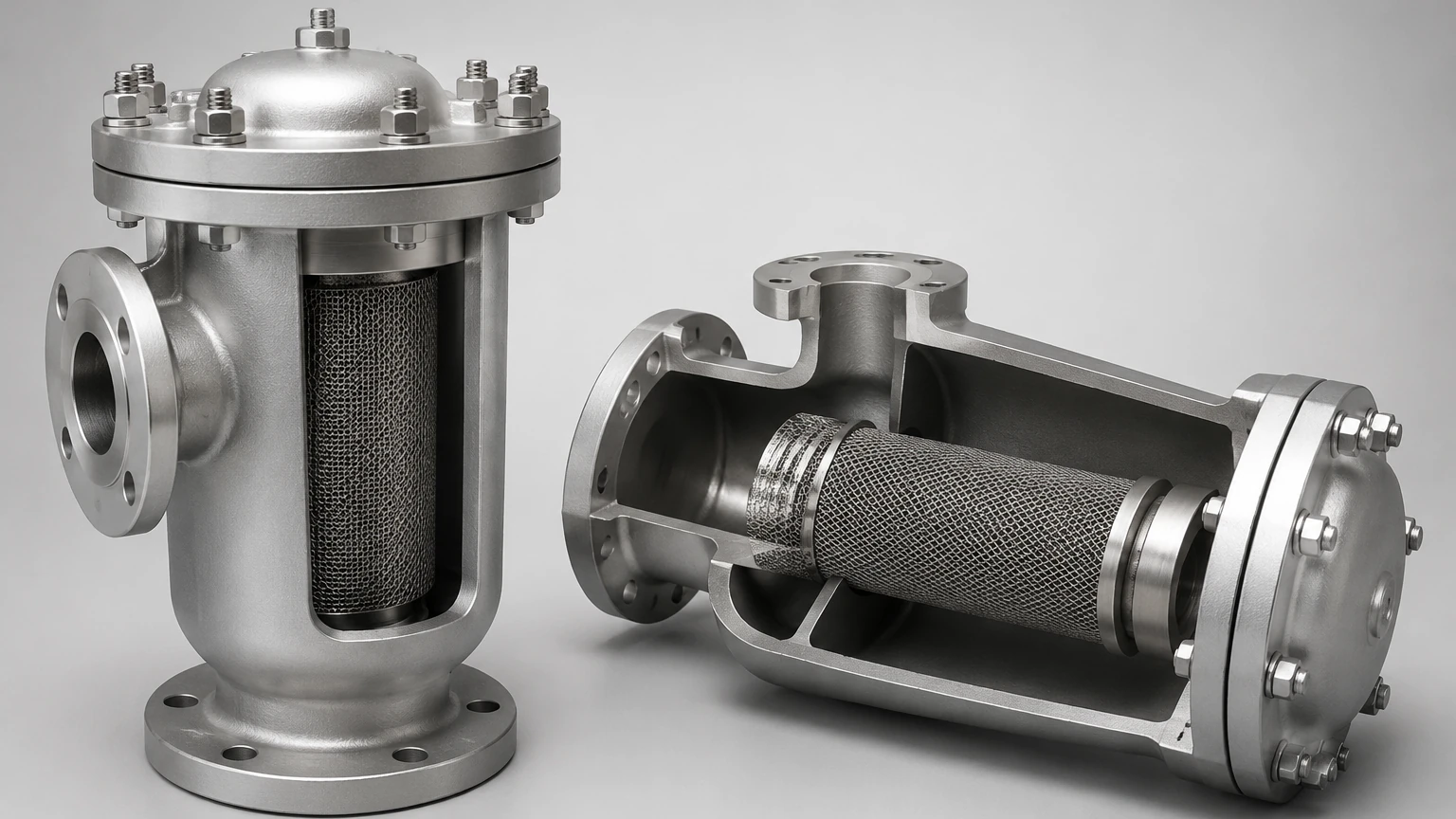
In industrial gas processing, the removal of both solid particulates and liquid aerosols is critical for protecting downstream equipment such as compressors, turbines, and sensitive instrumentation. A gas filter-separator is a specialized pressure vessel designed to perform this dual-stage separation. Unlike a simple dry gas filter or a standard liquid separator, the gas filter-separator utilizes a combination of coalescing elements and secondary separation stages to handle complex gas streams containing varying concentrations of contaminants.
For engineers and procurement professionals, selecting the appropriate internal filtration media is the most significant factor in determining the efficiency and service life of the unit. High-performance stainless steel filtration components, such as those found on the Main Page of specialized manufacturers, provide the mechanical strength and chemical resistance necessary for these demanding environments.
The Dual-Stage Mechanism of Gas Filter-Separators
The operation of a gas filter-separator typically occurs in two distinct stages within a single vessel. Understanding these stages is essential for evaluating the performance of the internal filter elements.
Stage One: Filtration and Coalescing
In the first stage, the gas stream passes through filter-coalescer elements. These elements are designed to capture solid particles through mechanisms such as inertial impaction, diffusion, and interception. Simultaneously, small liquid droplets (aerosols) in the gas stream are forced to collide and merge—a process known as coalescence—into larger droplets as they pass through the tortuous path of the filter media.
For industrial applications, stainless steel wire mesh or sintered metal fibers are often preferred for these elements. These materials offer a rigid structure that prevents media migration under high-pressure differentials, ensuring that the filtered solids remain trapped and the coalesced liquids can successfully migrate to the outer surface of the element.
Stage Two: Secondary Separation
Once the gas exits the coalescing elements, it enters the second stage of the vessel. The now-enlarged liquid droplets fall out of the gas stream due to gravity or are removed by a secondary separation device, such as a vane pack or a mist eliminator. The clean, dry gas then exits the vessel through the outlet nozzle. The efficiency of this stage depends heavily on the velocity of the gas and the design of the separation internals, which must be engineered to prevent liquid re-entrainment.
Engineering Considerations for Filtration Media
When specifying a gas filter-separator, the choice of material and the construction of the filter elements are paramount. Stainless steel is the industry standard for high-reliability applications due to its inherent properties.
Material Selection: 304 vs. 316L Stainless Steel
Material compatibility is the first hurdle in filter selection. While 304 stainless steel is suitable for many general industrial applications, 316L stainless steel is often required for gas streams containing corrosive elements like hydrogen sulfide (H2S) or high concentrations of CO2. The "L" designation in 316L signifies low carbon content, which is vital for components that require welding, as it prevents intergranular corrosion in the heat-affected zones.
Filtration Accuracy and Micron Ratings
Gas filter-separators are often rated by their ability to remove particles of a specific size (e.g., 1 micron, 3 microns, or 10 microns). It is important to distinguish between "nominal" and "absolute" ratings. An absolute rating implies that 99.9% of particles at that size will be captured, which is often necessary for protecting high-speed rotating equipment. Precision-woven wire mesh allows for highly controlled pore sizes, providing predictable performance across varying flow rates.
Structural Integrity and Pressure Differential
Industrial gas streams can experience significant pressure fluctuations. The filter elements must be able to withstand high differential pressures (dP) without collapsing or deforming. Sintered metal cartridges and reinforced wire mesh filters provide the structural rigidity needed to maintain filtration integrity even as the elements become loaded with contaminants. Engineers must confirm the maximum allowable pressure drop (MAPD) for any custom filter component before installation.
Performance Evaluation Criteria
To ensure a gas filter-separator meets the operational requirements of a facility, technical teams must evaluate several performance metrics beyond just the initial purchase price.
1. Liquid Loading Capacity: The unit must be sized to handle the maximum expected liquid volume in the gas stream. If the liquid loading exceeds the coalescing rate of the elements, liquid carryover will occur, potentially damaging downstream components.
2. Beta Ratio: This is a measure of filtration efficiency. A higher Beta ratio indicates a more effective filter. For critical gas processing, engineers should look for elements with a Beta ratio of 1000 or higher for the target particle size.
3. Gas Velocity: If the gas velocity is too high, it can strip coalesced droplets off the filter elements and carry them downstream. Proper vessel sizing and element distribution are required to maintain velocities within the optimal range for separation.
4. Turn-down Ratio: This refers to the filter's ability to operate effectively at lower-than-design flow rates. A well-designed gas filter-separator should maintain high efficiency even when the plant is operating at partial capacity.
Customization and OEM Solutions
Many industrial applications involve unique gas compositions, space constraints, or extreme temperature requirements that standard off-the-shelf filters cannot accommodate. This is where customized filtration solutions become necessary.
Customization options typically include:
* Tailored Micron Ratings: Engineering the mesh weave to target specific particulate profiles found in a particular process.
* Custom Dimensions: Designing filter elements to fit into existing vessel footprints during a system upgrade or retrofit.
* End Cap Configurations: Providing specific connection types (e.g., DOE, 222, 226, or threaded) to ensure a leak-proof seal within the separator housing.
* Reinforcement Layers: Adding perforated metal cores or outer shrouds to enhance the mechanical strength of the filter for high-surge applications.
By working with a manufacturer that specializes in stainless steel filtration, such as Kaifil, engineers can develop OEM components that are precisely matched to the chemical and physical demands of their gas filter-separator systems.
Maintenance, Lifecycle, and Total Cost Considerations
The total cost of ownership (TCO) for a gas filter-separator is influenced more by maintenance and downtime than by the initial capital expenditure. Selecting high-quality, durable filter elements can significantly reduce TCO over the life of the equipment.
Replacement Cycles
Filter elements should be replaced when the differential pressure reaches a predetermined limit (typically 10-15 psi, depending on the system design). Using high-capacity pleated wire mesh elements increases the available surface area, which extends the time between change-outs and reduces labor costs.
Cleanability vs. Disposal
One of the primary advantages of stainless steel filter media is its cleanability. Unlike disposable fiberglass or polymer elements, stainless steel cartridges can often be cleaned using ultrasonic baths, back-flushing, or chemical cleaning. This reduces waste and lowers long-term procurement costs, provided the cleaning process does not compromise the integrity of the filter pores.
Common Risks of Poor Filtration
Failure to use the correct filter-separator internals can lead to several risks:
* Compressor Damage: Solid particles can erode compressor blades, while liquid slugs can cause catastrophic mechanical failure.
* Instrument Fouling: Fine particulates and aerosols can clog the small orifices in control valves and flow meters, leading to inaccurate readings and system instability.
* Catalyst Poisoning: In chemical processing, liquid contaminants in the gas stream can coat catalyst beds, reducing their efficiency and requiring expensive catalyst replacement.
Information to Confirm Before Purchasing
Before proceeding with the procurement of gas filter-separator elements or custom components, the following technical data should be confirmed with the manufacturer:
* Gas Composition: Identify all components, including trace gases and potential contaminants.
* Operating Temperature and Pressure: Ensure the materials and seals are rated for both steady-state and upset conditions.
* Flow Rate (Minimum, Normal, Maximum): Essential for calculating gas velocity and element sizing.
* Contaminant Type and Concentration: Is the primary goal solid removal, liquid removal, or both?
* Housing Dimensions: If purchasing replacement elements, provide exact measurements and seal types to ensure compatibility.
For those seeking detailed specifications or technical support regarding custom stainless steel filtration components, visiting the Main Page of a dedicated manufacturer provides access to the necessary engineering resources and product data sheets required for informed decision-making.
Conclusion
The gas filter-separator is a vital component in modern industrial infrastructure, ensuring the purity of gas streams and the longevity of high-value equipment. By focusing on the technical properties of the filtration media—specifically the durability and precision of stainless steel wire mesh and sintered components—engineers can optimize separation performance and minimize operational risks. Whether designing a new system or upgrading an existing one, prioritizing material quality and engineering precision is the most effective strategy for achieving reliable, long-term filtration success.
