


Spunger
In the landscape of industrial gas-liquid processing, the term "spunger"—frequently used interchangeably with "sparger" or porous metal diffuser—refers to a critical component designed to introduce gases into liquids with high efficiency. For engineers and procurement specialists in the chemical, pharmaceutical, and food and beverage sectors, selecting the correct spunger is not merely a matter of finding a fitting; it is an engineering decision that impacts mass transfer rates, chemical reaction speeds, and the overall energy efficiency of a processing plant.
As a manufacturer specializing in stainless steel filtration and precision metal components, Kaifil provides the technical expertise required to navigate the complexities of gas diffusion. This guide explores the engineering principles, material considerations, and application-specific criteria essential for integrating a high-performance spunger into industrial systems.
Understanding the Role of the Spunger in Industrial Processing
The fundamental purpose of a spunger is to facilitate gas-liquid mass transfer. Unlike traditional pipe spargers that use drilled holes to release large bubbles, a porous metal spunger utilizes a sintered structure to create millions of tiny bubbles. This distinction is vital because the efficiency of gas absorption is directly proportional to the surface area of the gas in contact with the liquid.
When gas is forced through the microscopic pores of a stainless steel spunger, it emerges as a fine mist of bubbles. These micro-bubbles have a significantly higher surface-area-to-volume ratio than the large bubbles produced by traditional methods. Furthermore, smaller bubbles rise more slowly through the liquid column, increasing the "residence time" and allowing more gas to dissolve or react before reaching the surface. This efficiency is critical in applications such as fermentation, where oxygen must be delivered to microorganisms, or in carbonation processes within the beverage industry.
Engineering Principles of Porous Metal Diffusion
To optimize the performance of a spunger, engineers must consider the fluid dynamics at the interface of the porous medium. Several factors dictate the effectiveness of the diffusion process:
Pore Size and Bubble Morphology
The pore size of the sintered metal—typically ranging from 0.5 to 100 microns—determines the initial size of the bubbles. However, the final bubble size is also influenced by the surface tension of the liquid and the velocity of the gas flow. In high-precision environments, selecting a finer pore size ensures a more uniform distribution, which is essential for preventing localized high concentrations of gas that could lead to inefficient processing or unwanted side reactions.
Pressure Drop and Flow Control
Every porous medium introduces a degree of resistance to flow, known as pressure drop (ΔP). For a spunger to operate effectively, the gas supply pressure must overcome both the hydrostatic pressure of the liquid column and the resistance of the sintered metal. Engineering teams must calculate the required differential pressure to maintain a consistent flow rate without exceeding the structural limits of the filtration component or the capacity of the gas delivery system.
Gas-Liquid Mass Transfer Coefficients
In B2B industrial applications, the goal is often to maximize the mass transfer coefficient ($k_La$). By utilizing a porous stainless steel spunger, facilities can achieve higher $k_La$ values at lower gas flow rates. This allows for the use of smaller compressors and reduces gas wastage, contributing to a lower total cost of ownership over the life of the equipment.
Material Selection: Why Stainless Steel is the Industrial Standard
While spungers can be manufactured from various materials, including ceramics and polymers, stainless steel remains the preferred choice for demanding industrial environments. Kaifil focuses on high-grade alloys to ensure durability and compliance with international standards.
1. Corrosion Resistance: Most industrial gas injection processes involve aggressive chemicals or high-purity requirements. Stainless steel 316L is the standard due to its excellent resistance to corrosion and pitting, particularly in environments involving acids or chlorides.
2. Thermal Stability: Sintered metal spungers can operate at temperatures far exceeding the limits of plastic alternatives. This makes them suitable for steam-in-place (SIP) sterilization and high-temperature chemical reactors.
3. Mechanical Strength: Industrial tanks often experience turbulent flows and pressure surges. The robust nature of a stainless steel spunger prevents mechanical failure, ensuring that the component does not break or shed particles into the process stream.
4. Cleanability: For the pharmaceutical and food industries, the ability to clean components is paramount. Stainless steel spungers can be cleaned using ultrasonic baths, chemical solvents, or backflushing, extending their operational life and maintaining hygiene standards.
Customization and OEM Integration
No two industrial processes are identical, which is why customization is a core component of effective filtration and diffusion solutions. When sourcing a spunger, engineers should look for OEM capabilities that allow for specific geometries and connection types. For more information on tailored solutions, professionals can Review product options and application support on the Main Page.
Customization options often include:
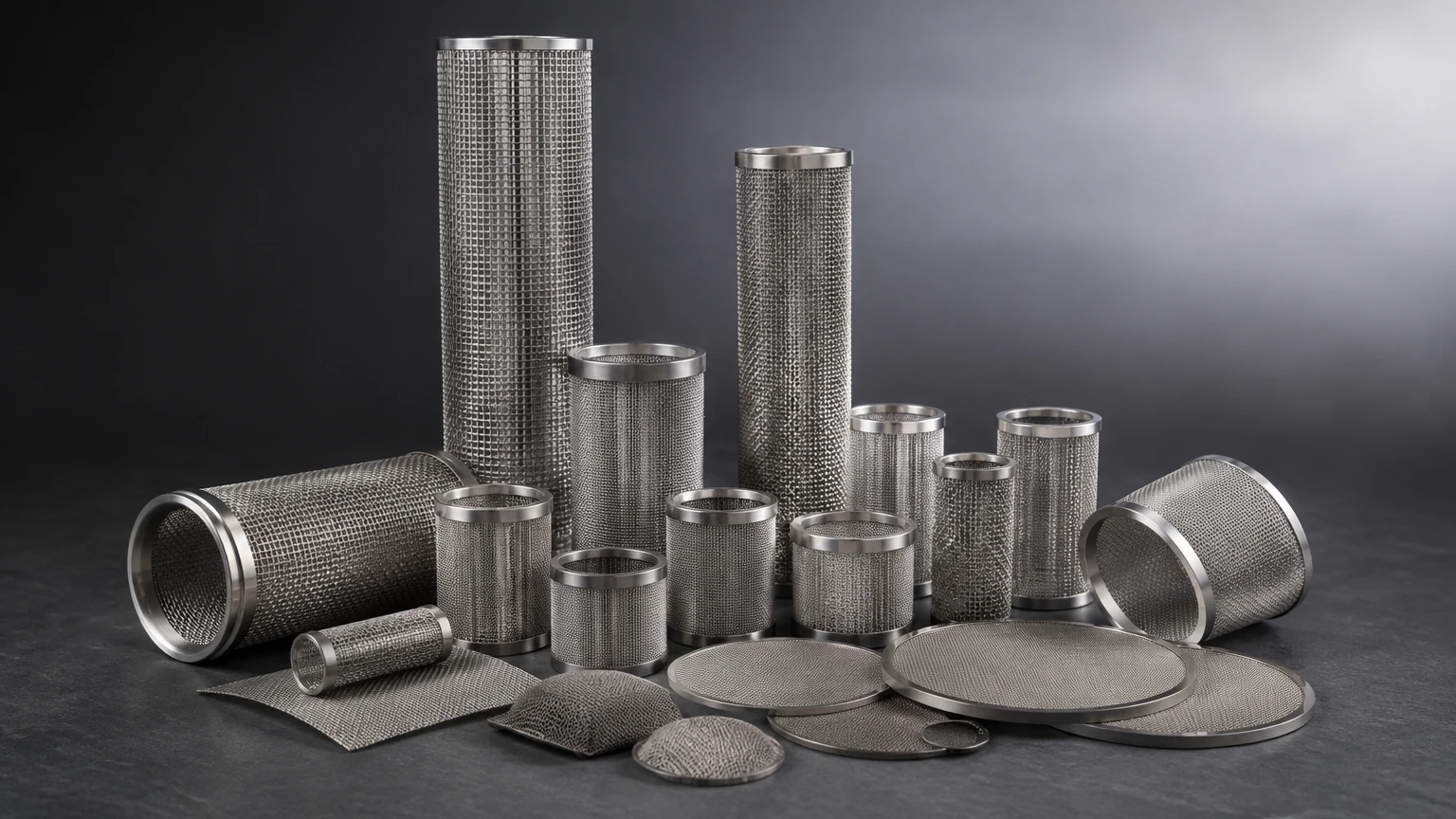
* Geometry: Cylindrical, disc-shaped, or conical spungers tailored to the specific dimensions of a reactor or tank.
* Fittings: Integration of NPT, BSP, or flanged connections to ensure a leak-proof seal with existing piping.
* Reinforcement: For high-pressure applications, the porous element may be reinforced with a solid internal or external support structure to prevent deformation.
Applications Across Key Industrial Sectors
The versatility of the stainless steel spunger makes it an essential tool across a wide range of sectors. Each application requires a specific focus on different performance metrics.
Chemical Processing
In hydrogenation and oxidation reactions, the spunger is used to introduce hydrogen or oxygen into a liquid catalyst mix. The precision of the diffusion ensures that the reaction occurs uniformly, reducing the formation of by-products and improving yield.
Food and Beverage
Carbonation is perhaps the most well-known application. By using a spunger to inject $CO_2$ into beverages, manufacturers can achieve consistent carbonation levels with minimal gas loss. Nitrogenation is also common in the production of creamy stouts or nitro-cold brew coffees.
Pharmaceutical and Biotechnology
In bioreactors, maintaining precise dissolved oxygen (DO) levels is critical for cell growth. Sintered metal spungers provide the fine-bubble aeration required to support sensitive biological cultures without causing the shear stress that larger, more turbulent bubbles might induce.
Water and Wastewater Treatment
Ozone injection for water purification relies heavily on efficient diffusion. Because ozone is expensive to generate and highly reactive, using a high-efficiency spunger ensures that the maximum amount of gas is dissolved into the water for effective disinfection.
Maintenance, Cleaning, and Replacement Cycles
To maintain the performance of a spunger, a proactive maintenance schedule is required. Over time, the microscopic pores can become clogged with mineral deposits, biological growth, or particulate matter from the process liquid. This fouling increases the pressure drop and reduces the efficiency of gas diffusion.
Cleaning Protocols
* Backflushing: Reversing the flow of a clean liquid or gas through the spunger can often dislodge surface contaminants.
* Chemical Cleaning: Soaking the component in a compatible solvent or acid can dissolve mineral scaling or organic buildup.
* Ultrasonic Cleaning: This is the most effective method for deep-cleaning sintered metal. High-frequency sound waves create cavitation bubbles that penetrate deep into the pore structure to remove embedded particles.
Determining Replacement
While stainless steel spungers are highly durable, they are not infinite. If a component shows signs of permanent fouling (where the pressure drop remains high even after cleaning) or if there is visible physical erosion of the pore structure, it must be replaced to prevent process inefficiencies. Regularly monitoring the differential pressure across the spunger is the most reliable way to track its health.
Conclusion: Selecting the Right Solution
Choosing a spunger involves a detailed analysis of gas flow requirements, liquid characteristics, and environmental conditions. By focusing on high-quality sintered stainless steel, industrial operators can ensure a reliable, long-lasting solution that optimizes gas-liquid mass transfer.
As a dedicated manufacturer, Kaifil provides the engineering support and manufacturing precision necessary to produce components that meet the rigorous demands of modern industry. Whether you are designing a new system or retrofitting an existing reactor, understanding the technical nuances of porous metal diffusion is the first step toward achieving operational excellence. For further technical specifications and to explore the full range of custom filtration products, visit the Main Page to find the right solution for your specific application.
