


Hepa Box Filter
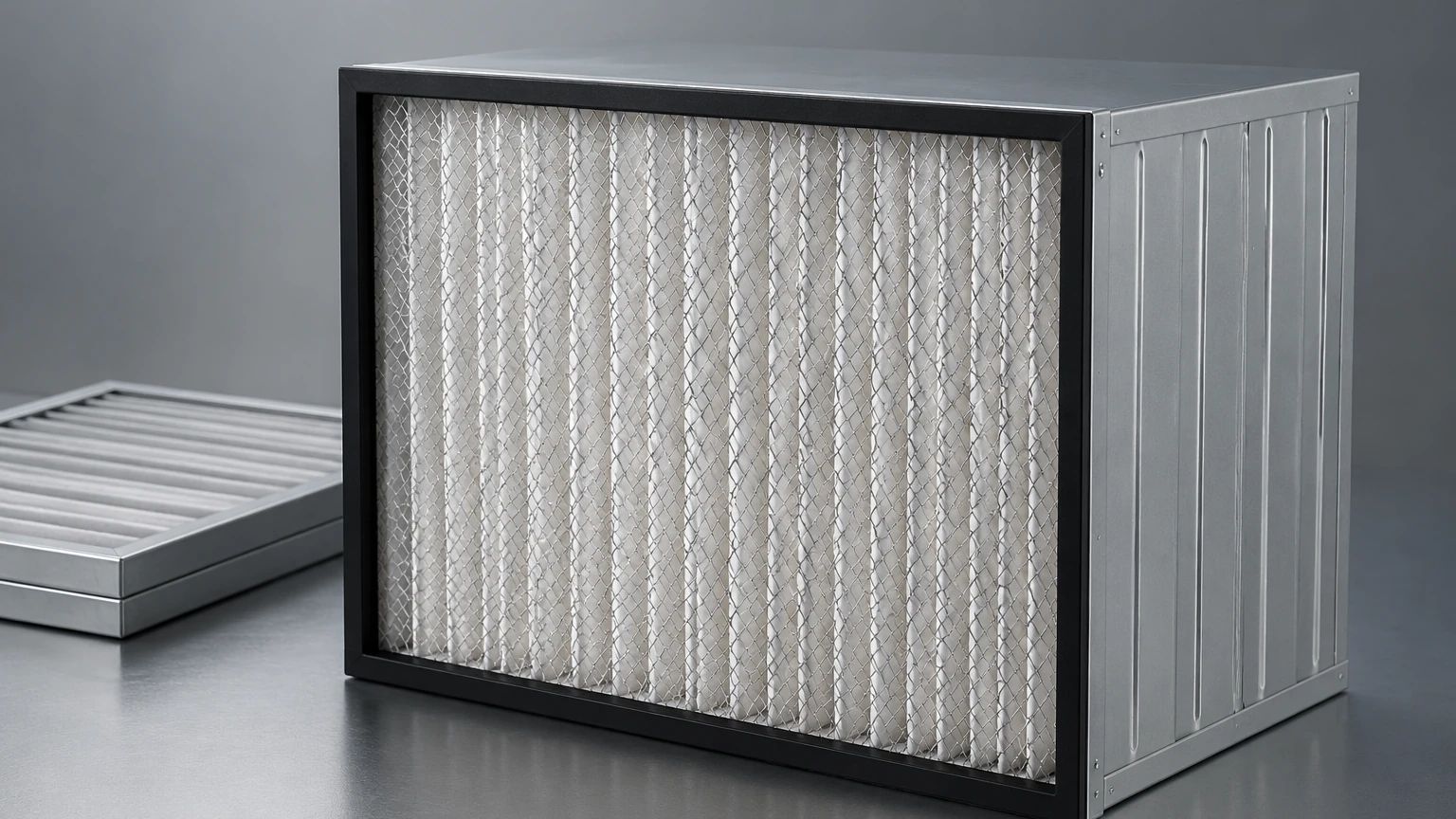
In high-precision industrial environments, the management of airborne particulates is not merely a matter of air quality but a critical requirement for process integrity and product safety. The hepa box filter represents a specialized category of high-efficiency particulate air filtration designed to handle significant air volumes while maintaining a rigid, leak-proof structure. Unlike standard panel filters, the box configuration is engineered for deep-pleat or high-capacity media, allowing it to function as a terminal or inline filtration stage in demanding sectors such as pharmaceutical manufacturing, semiconductor fabrication, and chemical processing.
For engineers and procurement teams, selecting a hepa box filter requires a deep understanding of airflow dynamics, material compatibility, and the specific structural demands of the installation environment. This guide examines the technical specifications, design considerations, and performance criteria essential for integrating these components into industrial filtration systems.
Technical Fundamentals of HEPA Box Filtration
A High-Efficiency Particulate Air (HEPA) filter is defined by its ability to capture at least 99.97% of particles with a diameter of 0.3 micrometers. In an industrial hepa box filter, this efficiency is achieved through a complex interplay of three physical mechanisms: diffusion, interception, and inertial impaction.
1. Diffusion: This mechanism governs the capture of the smallest particles (typically below 0.1 microns). These particles follow a Brownian motion pattern, increasing their likelihood of colliding with and adhering to the filter fibers.
2. Interception: Mid-sized particles that follow the airstream come within one-radius distance of a fiber and are captured.
3. Inertial Impaction: Larger, heavier particles cannot adjust to the rapid changes in air direction around fibers and instead crash directly into them due to their inertia.
The "box" designation refers to the rigid frame—often 6 to 12 inches deep—that houses the pleated media. This depth allows for a much larger surface area of filter media compared to the face area of the filter, which is critical for maintaining low resistance (pressure drop) while processing high volumes of air.
Structural Design and Housing Materials
The integrity of a hepa box filter is heavily dependent on its frame construction. In industrial settings, the frame must withstand mechanical stress, humidity, and potential chemical exposure without warping or off-gassing.
Stainless Steel vs. Aluminum Frames
While galvanized steel and aluminum are common in commercial HVAC, industrial applications often mandate the use of stainless steel. Stainless steel (Grade 304 or 316L) provides superior corrosion resistance, particularly in pharmaceutical and food processing plants where aggressive cleaning agents are used. As a specialist in stainless steel filtration, Kaifil emphasizes the importance of material selection in ensuring the longevity of the filter housing and preventing bypass leaks caused by frame degradation.
Pleat Geometry and Separators
Inside the box frame, the media is arranged in pleats. There are two primary methods for maintaining pleat spacing:
* Aluminum Separators: Corrugated aluminum strips are placed between pleats to ensure uniform airflow and structural rigidity. This is traditional for high-temperature or high-moisture applications.
* Mini-Pleat (Hot-Melt) Technology: Continuous beads of adhesive space the pleats. This design allows for more media to be packed into the same box volume, increasing the dust-holding capacity and reducing the initial pressure drop.
Performance Metrics and Selection Criteria
When evaluating a hepa box filter for a specific application, engineers must look beyond the basic efficiency rating. Several variables dictate the total cost of ownership and the operational efficiency of the filtration system.
Rated Airflow and Face Velocity
The rated capacity of a box filter is typically measured in Cubic Feet per Minute (CFM). It is vital to match the filter's rated capacity with the system's requirements. Operating a filter above its rated velocity can lead to a disproportionate increase in pressure drop and may even cause particle "bleed-through" or media damage.
Initial and Final Pressure Drop
The initial pressure drop is the resistance the air encounters when the filter is clean. As the filter loads with particulates, this resistance increases. The "final pressure drop" is the threshold at which the filter is considered exhausted and must be replaced. In many industrial systems, this is typically set at twice the initial pressure drop or a specific value recommended by the equipment manufacturer (e.g., 1.0" or 1.5" w.g.).
Gasket and Seal Integrity
A HEPA filter is only as effective as its seal. Even a microscopic gap between the filter frame and the housing can allow thousands of bypass particles to enter the clean zone. Common sealing methods include:
* Neoprene Gaskets: A closed-cell sponge gasket compressed against the housing frame.
* Gel Seals: A U-channel on the filter frame filled with a specialized silicone or polyurethane gel that interfaces with a knife-edge on the housing, providing a leak-proof, airtight connection.
The Role of Pre-filtration in Extending Service Life
A hepa box filter is a high-precision, high-cost component. To protect this investment, industrial systems utilize multi-stage filtration. The use of stainless steel wire mesh filters or pleated synthetic pre-filters is essential for removing larger debris and airborne dust before it reaches the HEPA stage.
By utilizing durable stainless steel mesh as a primary or secondary pre-filtration layer, facilities can significantly extend the replacement cycle of the HEPA media. Stainless steel mesh is particularly effective in environments with heavy particulate loads or where moisture and oils might blind standard fabric pre-filters. This tiered approach ensures that the high-efficiency box filter is reserved for the microscopic particulates it is designed to capture, rather than being prematurely clogged by large-scale contaminants.
Application-Specific Considerations
Different industries impose unique stresses on filtration hardware. Understanding these helps in selecting the right hepa box filter configuration.
* Pharmaceutical and Biotech: These environments require filters that can withstand frequent sterilization and validation. The use of 316L stainless steel frames and specialized sealants is common to prevent microbial growth and ensure compliance with FDA or EU GMP standards.
* Chemical Processing: In areas where corrosive vapors are present, the filter media and the box frame must be chemically inert. Standard fiberglass media may need to be substituted with specialized synthetic materials if high concentrations of acids or bases are present.
* Food and Beverage: Filtration here focuses on preventing cross-contamination and ensuring the removal of mold spores and bacteria. Filters must be moisture-resistant to handle the high humidity often found in processing areas.
Maintenance, Monitoring, and Validation
To ensure the continued performance of a hepa box filter, a rigorous maintenance and monitoring schedule is required.
Differential Pressure Monitoring
Installing magnehelic gauges or digital pressure sensors across the filter bank is the standard method for tracking filter loading. Sudden drops in pressure can indicate a media rupture or seal failure, while a rapid increase suggests an upstream pre-filter failure or an unusual spike in particulate load.
Leak Testing (DOP/PAO Testing)
In critical applications, filters must be tested in-situ upon installation and at regular intervals (usually every 6 to 12 months). This involves introducing a challenge aerosol (such as Dispersed Oil Particulate or Polyalphaolefin) upstream and scanning the downstream face with an aerosol photometer to detect any leaks.
Customization and OEM Solutions
Many industrial systems do not conform to standard HVAC dimensions. In these cases, custom-engineered filtration components are necessary. Working with a manufacturer that understands the nuances of metal fabrication and filtration science is critical for developing bespoke solutions.
Whether you require a specific frame depth, unique mounting flanges, or specialized stainless steel mesh integration, technical expertise is the foundation of a reliable filtration system. For more information on custom stainless steel filtration components and industrial solutions, you can Review product options and application support on our Main Page.
Conclusion
The hepa box filter is a cornerstone of modern industrial contamination control. Its ability to provide high-efficiency filtration at high flow rates makes it indispensable for protecting sensitive processes and products. However, the effectiveness of these filters depends on more than just the media; the frame material, seal integrity, and the quality of the pre-filtration system all play vital roles. By prioritizing high-quality materials like stainless steel and adhering to rigorous engineering standards, facilities can achieve superior air purity, lower energy costs, and extended equipment lifespans. When selecting filtration components, always confirm the specific chemical, thermal, and mechanical requirements of your application to ensure the chosen filter provides the necessary performance and durability.
