


High Pressure Hydraulic Filter Housing
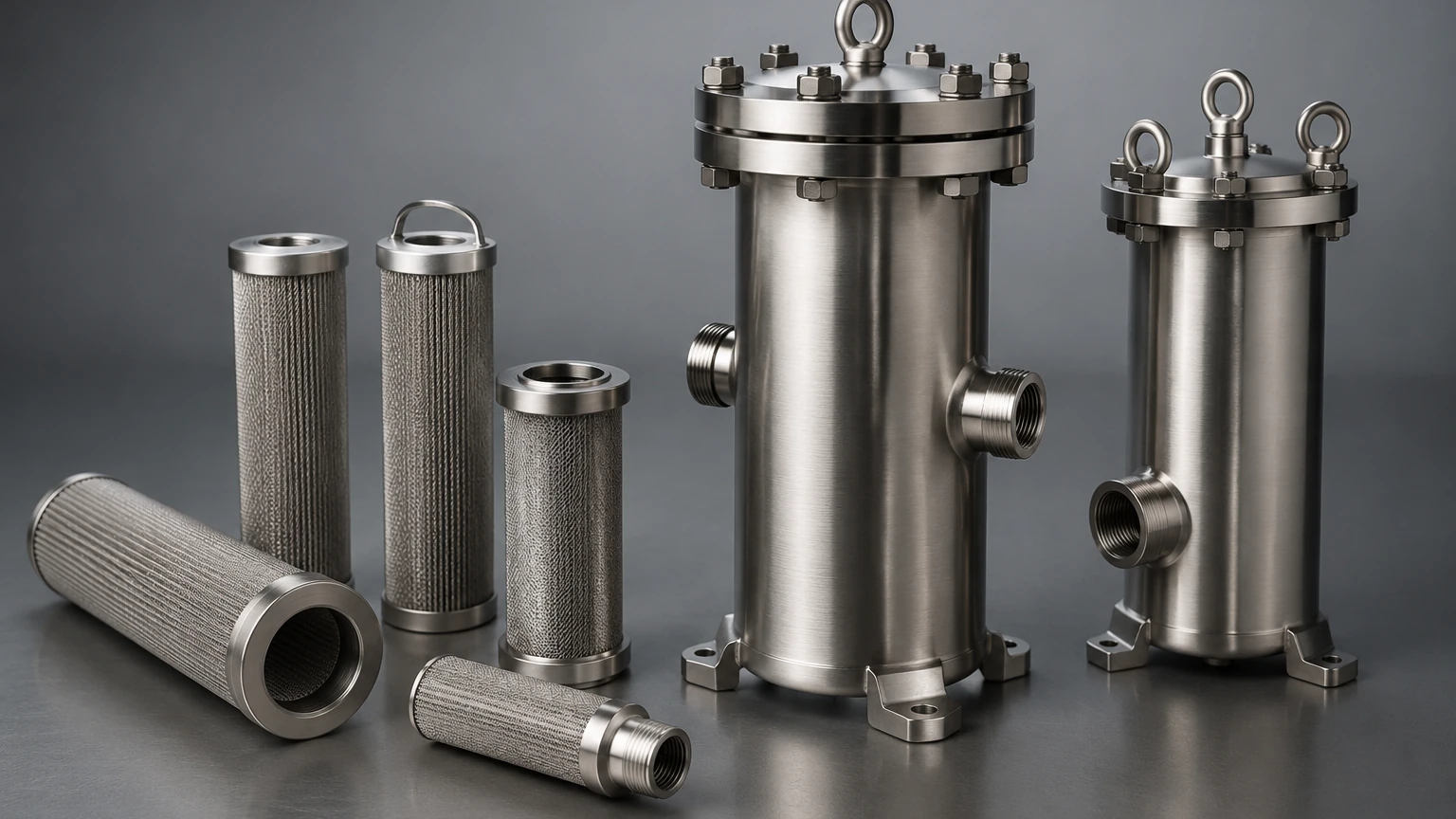
In industrial hydraulic systems, the integrity of downstream components—such as high-precision servo valves, actuators, and pumps—is entirely dependent on the cleanliness of the hydraulic fluid. A high pressure hydraulic filter housing serves as the primary line of defense, designed to withstand the intense mechanical stresses of high-pressure lines while ensuring that the filter element remains positioned to capture particulate contaminants effectively. Unlike suction or return-line filters, high-pressure housings must manage not only the fluid pressure but also the frequent pressure spikes and cyclic loading inherent in heavy-duty machinery.
For engineers and procurement teams, selecting a high pressure hydraulic filter housing requires a deep understanding of material science, fluid dynamics, and mechanical fatigue. This guide examines the technical considerations essential for specifying housings that ensure long-term system reliability and safety.
The Role of High Pressure Hydraulic Filter Housings in System Integrity
High-pressure filters are typically installed downstream of the hydraulic pump. This placement is critical because it protects the most sensitive and expensive components of the system from any debris generated by the pump or introduced during maintenance. The housing acts as a pressure vessel; it must maintain a leak-free seal under operating pressures that often range from 210 bar (3,000 psi) to over 420 bar (6,000 psi).
The structural integrity of the housing is paramount. If a housing fails under pressure, it poses significant safety risks to personnel and can lead to catastrophic system failure. Beyond safety, the housing must be designed to minimize flow restriction. Every high pressure hydraulic filter housing introduces some level of pressure drop (differential pressure), and optimizing the internal geometry is essential to maintain system efficiency and prevent energy loss through heat generation.
Engineering Specifications: Materials and Pressure Ratings
When specifying a high pressure hydraulic filter housing, the choice of material is the first and most critical decision. While carbon steel and ductile iron are common in standard industrial applications, demanding environments—such as chemical processing, offshore oil and gas, or pharmaceutical manufacturing—often require stainless steel solutions.
Stainless Steel vs. Alternative Materials
Stainless steel (typically Grades 304, 316, or 316L) offers superior corrosion resistance and mechanical strength. In applications where the hydraulic fluid may be aggressive or where the external environment is corrosive (e.g., salt spray or chemical fumes), stainless steel housings prevent the degradation that leads to structural weakness. Furthermore, stainless steel is preferred in high-purity applications because it does not shed metallic particles or react with the fluid.
Fatigue Resistance and Burst Pressure
Industrial hydraulic systems are rarely static; they experience constant fluctuations in pressure. A housing rated for a working pressure of 400 bar must be tested for a much higher burst pressure, often following a 3:1 or 4:1 safety factor. More importantly, the housing must demonstrate high fatigue strength. Engineers should confirm the "fatigue rating" of the housing, which indicates how many hundreds of thousands of pressure cycles the unit can withstand before the risk of metal fatigue becomes significant.
Design Features for High-Performance Filtration
The internal design of a high pressure hydraulic filter housing determines how easily the filter element can be serviced and how well the fluid is distributed across the media. Key design features include:
* Porting Configurations: Housings are available in in-line, manifold-mounted, or sub-plate mounted configurations. In-line housings are common for retrofitting and general industrial use, while manifold-mounted versions reduce the number of potential leak points and save space in compact hydraulic power units.
* Bypass Valves: Most high-pressure housings include an integrated bypass valve. In the event the filter element becomes clogged, the bypass valve opens to allow fluid to flow around the element, preventing the element from collapsing or the housing from over-pressurizing. However, in "non-bypass" designs, the housing and element must be engineered to withstand the full system pressure if the filter becomes completely blocked.
* Sealing Mechanisms: High-pressure environments require robust sealing, usually involving high-durometer O-rings (typically 70 to 90 Shore A). The selection of seal material (NBR, Viton, or EPDM) must be matched to the hydraulic fluid's chemical composition and the operating temperature range.
Fluid Compatibility and Environmental Considerations
A high pressure hydraulic filter housing must be chemically compatible with the fluid it contains. While mineral-based oils are standard, many modern industrial processes use fire-resistant fluids, such as water glycols, phosphate esters, or high-water-content fluids.
Chemical Resistance
Standard carbon steel housings may require specialized internal coatings to prevent rust when used with water-based fluids. In contrast, stainless steel housings provided by manufacturers like Kaifil offer inherent resistance to a wide range of fluids, making them a versatile choice for diverse industrial sectors. For more information on material compatibility and custom configurations, you can Review product options and application support on the Main Page.
Temperature Extremes
Operating temperatures significantly affect the viscosity of the hydraulic fluid and the elasticity of the seals. A housing used in an Arctic environment requires materials with high low-temperature impact strength to avoid brittleness. Conversely, high-temperature applications in steel mills or foundries require seals that can maintain their shape and sealing force at temperatures exceeding 100°C.
Evaluating Performance: Pressure Drop and Filtration Efficiency
The effectiveness of the filtration system is a combination of the housing design and the filter element's performance. Engineers must evaluate the clean pressure drop ($ΔP$) across the entire assembly. A high $ΔP$ indicates that the housing or the element is too small for the required flow rate, which leads to premature opening of the bypass valve and shortened element life.
The Beta Ratio and Housing Flow
While the Beta ratio (β) defines the efficiency of the filter element, the housing must be designed to ensure uniform flow distribution across the element's surface. Turbulent flow or stagnant zones within the housing can lead to uneven loading of the filter media, reducing the total dirt-holding capacity. High-quality housings feature optimized flow paths that transition the fluid smoothly from the inlet port to the filter chamber.
Monitoring and Indicators
To maximize the service life of filter elements without risking system bypass, high pressure hydraulic filter housings are equipped with clogging indicators. These can be:
1. Visual Indicators: A mechanical pop-up button or a color-coded gauge.
2. Electrical Indicators: A switch that sends a signal to the PLC when the differential pressure reaches a pre-set limit.
3. Electronic Sensors: Providing a continuous 4-20mA or 0-10V signal for real-time monitoring of filter health.
Installation, Maintenance, and Safety Protocols
Correct installation is vital for the longevity of a high pressure hydraulic filter housing. The housing should be mounted in a location that allows for easy access to the element for replacement. There must be sufficient clearance above or below the housing (depending on whether it is a top-loading or bottom-loading design) to remove the element without disconnecting the hydraulic lines.
Venting and Draining
Before servicing, the high-pressure housing must be completely depressurized. Quality designs include a bleed or vent screw to release trapped air after an element change and a drain plug to remove contaminated fluid from the housing bowl before it is opened. Failure to properly vent air can lead to cavitation or pressure spikes when the system is restarted.
Replacement Cycles
Rather than relying on fixed time intervals, filter element replacement should be driven by the clogging indicator. However, if a system experiences a major component failure (such as a pump breakdown), the high-pressure filter housing should be cleaned, and the element replaced immediately, regardless of the indicator status, to capture the resulting metallic debris.
Customization and OEM Integration for Specialized Applications
Standard off-the-shelf housings may not always meet the spatial or performance requirements of specialized industrial equipment. In such cases, working with a manufacturer that offers OEM and customized filtration solutions is essential. Customization can include:
* Non-standard Porting: Adapting the housing to fit existing pipework without the need for additional adapters, which can be leak points.
* Extreme Pressure Ratings: Engineering housings for ultra-high-pressure applications exceeding 700 bar.
* Material Upgrades: Utilizing exotic alloys for highly corrosive environments or food-grade finishes for the pharmaceutical industry.
Manufacturers like Kaifil specialize in these custom stainless steel filtration solutions, providing the engineering support needed to develop housings that fit specific application footprints while maintaining rigorous safety standards. By focusing on precision metal filter components, Kaifil ensures that the housing and the internal filtration mesh work in harmony to achieve the desired ISO fluid cleanliness codes.
Conclusion: Selecting a Reliable Housing Partner
Choosing the right high pressure hydraulic filter housing is a technical decision that impacts the entire lifecycle of a hydraulic system. By focusing on material durability, fatigue resistance, and optimized flow dynamics, engineers can significantly reduce downtime and maintenance costs. Whether you are designing a new system or upgrading an existing one, confirming the pressure ratings, fluid compatibility, and maintenance requirements is the first step toward operational excellence.
For technical professionals seeking reliable, high-performance filtration components, exploring the capabilities of a dedicated manufacturer is the best way to ensure that specific engineering requirements are met. To learn more about customized stainless steel filter cartridges and industrial filtration solutions, visit the Main Page for detailed product specifications and technical guidance.
