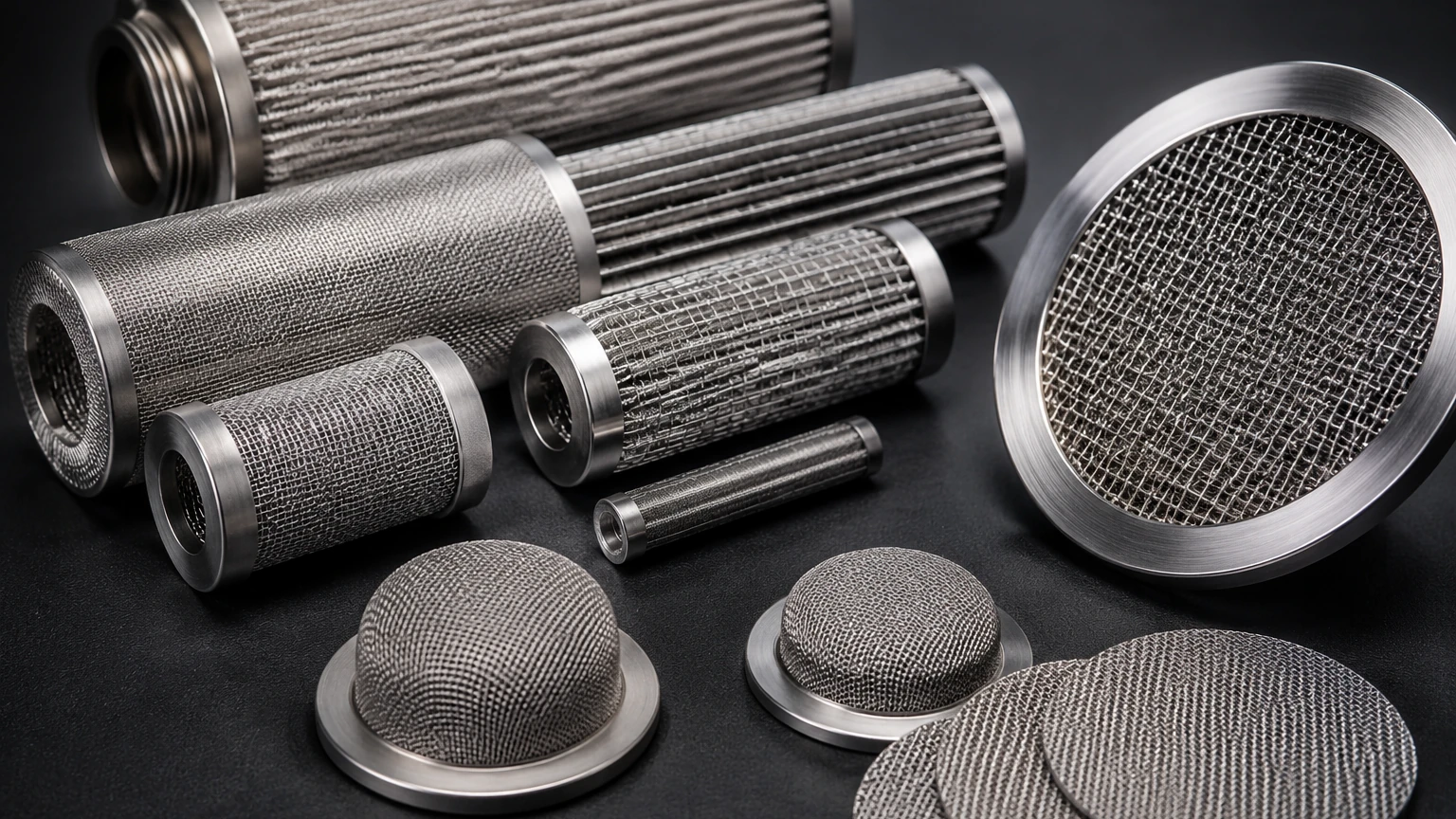
High-temperature Filters Up to 130 C
In industrial filtration, the temperature of the process fluid is a primary determinant of material selection and structural design. While many standard polymer-based filtration systems are rated for ambient or slightly elevated temperatures, they often reach their functional limits as temperatures approach the boiling point of water. For processes requiring high-temperature filters up to 130 c, stainless steel filtration solutions become the industry standard. This temperature range is critical in applications involving steam sterilization, hot oil circulation, and exothermic chemical reactions where the integrity of the filter media and its sealing components must be maintained without risk of bypass or structural failure.
Understanding the 130°C Threshold in Industrial Filtration
The requirement for high-temperature filters up to 130 c is common in sectors where thermal processing is integral to production. At 130°C, common plastics like polypropylene (PP) and polyethylene (PE) lose their structural rigidity, often softening or deforming under pressure. Even specialized polymers like nylon may experience accelerated hydrolytic degradation if moisture is present at these temperatures.
For engineers, the 130°C mark represents a transition point where the "Total Cost of Ownership" (TCO) shifts in favor of metallic media. While the initial investment in a stainless steel filter may be higher than a disposable plastic cartridge, the ability of metal to withstand repeated thermal cycling and high differential pressures at 130°C makes it the more economical and reliable choice. Furthermore, 130°C is a standard operating temperature for many Sterilization-In-Place (SIP) protocols, requiring filters that can handle saturated steam without losing their micron-rated precision.
Material Selection: Why Stainless Steel is Essential
When specifying high-temperature filters up to 130 c, the choice of alloy is the first engineering decision. Kaifil utilizes high-grade stainless steel to ensure that the filter media does not undergo significant mechanical property changes at these temperatures.
Stainless Steel 304 vs. 316L
Stainless steel 304 is suitable for many high-temperature applications where corrosion is not a primary concern. However, for most industrial B2B applications, especially in the chemical and pharmaceutical sectors, 316L is the preferred material. The addition of molybdenum in 316L provides superior resistance to pitting and crevice corrosion, which can be accelerated by higher temperatures. At 130°C, the chemical activity of many fluids increases, making the corrosion resistance of 316L vital for maintaining the purity of the filtrate and the longevity of the filter element.
Thermal Expansion Considerations
Engineers must account for the coefficient of thermal expansion when designing filter housings and elements. Stainless steel expands predictably when heated. A filter element that fits snugly in a housing at 20°C will expand by the time it reaches 130°C. If the design does not allow for this expansion—particularly in long, multi-round housings—the resulting mechanical stress can lead to the buckling of the center core or the failure of the end-cap welds. Kaifil designs its custom filtration components with these tolerances in mind, ensuring that the assembly remains secure and leak-proof throughout the thermal ramp-up.
Sealing and Gasket Considerations for 130°C Environments
A filter is only as effective as its seals. Even if the stainless steel mesh can withstand 130°C, the entire system will fail if the gaskets or O-rings degrade. Standard Buna-N (Nitrile) seals typically fail above 100°C, becoming brittle and losing their elasticity, which leads to bypass.
For high-temperature filters up to 130 c, specialized elastomers are required:
* Viton (FKM): Rated for temperatures up to 200°C, Viton is the most common choice for 130°C applications. It offers excellent resistance to a wide range of chemicals and oils.
* EPDM: High-temperature grades of EPDM can handle 130°C and are particularly well-suited for steam applications and hot water systems.
* PTFE (Teflon): While not an elastomer, encapsulated PTFE or solid PTFE gaskets are used when extreme chemical compatibility is required alongside temperature resistance. PTFE remains stable well beyond 130°C.
* Metal-to-Metal Seals: In some high-pressure, high-temperature designs, Kaifil utilizes precision-machined metal-to-metal seals to eliminate the need for elastomers entirely, removing a potential point of failure.
Design Variations: Wire Mesh vs. Sintered Metal
The internal structure of the filter media determines its performance characteristics. For high-temperature filters up to 130 c, two primary designs are utilized: woven wire mesh and sintered metal.
Woven Wire Mesh Filters
Wire mesh filters are constructed from precisely woven stainless steel wires. They are ideal for surface filtration where high flow rates and low pressure drops are required. In 130°C applications, the mechanical weave remains stable, providing a consistent micron rating. These are often used as pre-filters or for removing large particulate matter from hot resins, polymers, or food products.
Sintered Metal Filters
Sintering involves bonding layers of wire mesh or metal fibers together using heat and pressure without melting them. This creates a porous, rigid structure with exceptional strength. Sintered metal filters are preferred for high-temperature applications involving high differential pressures. They offer depth filtration capabilities, allowing them to trap more contaminants before requiring cleaning. Their robust nature makes them highly resistant to the thermal shock that can occur during rapid temperature changes in a process line.
Engineering Performance: Pressure Drop and Thermal Expansion
When operating at 130°C, the physical properties of the fluid—specifically viscosity and density—change significantly. For example, the viscosity of heavy industrial oil at 130°C is a fraction of its viscosity at room temperature. This change affects the Reynolds number and the resulting pressure drop across the filter media.
Engineers must calculate the "clean pressure drop" based on the fluid's properties at the actual operating temperature, not at ambient conditions. A filter sized for ambient temperature might be oversized for 130°C, leading to unnecessary costs. Conversely, if the process involves a startup phase where the fluid is cold and viscous, the filter must be strong enough to withstand the high differential pressure until the system reaches its 130°C operating point. Kaifil provides technical support to help engineers navigate these calculations, ensuring the filter is optimized for both startup and steady-state conditions.
Application-Specific Requirements and Customization
The versatility of high-temperature filters up to 130 c allows them to be used across a broad spectrum of industries. Each application brings unique challenges that require customized engineering.
* Food and Beverage: In the production of edible oils or syrups, filtration often occurs at elevated temperatures to maintain low viscosity. These filters must be constructed from FDA-compliant materials and designed for easy cleaning to prevent bacterial growth.
* Chemical Processing: Hot solvents and catalysts are common in chemical manufacturing. The filters must withstand both the 130°C temperature and the aggressive chemical nature of the fluids. Custom alloys like Hastelloy may be used if 316L is insufficient.
* Hydraulic Systems: High-performance hydraulic systems, particularly in aerospace or heavy machinery, can operate at temperatures exceeding 100°C. Stainless steel wire mesh filters protect sensitive valves and actuators from particulate wear while maintaining structural integrity under high-pressure pulses.
* Pharmaceuticals: Steam-In-Place (SIP) processes require filters that can withstand 121°C to 134°C saturated steam for sterilization. The filter must maintain its integrity and micron rating to ensure the sterility of the subsequent production batch.
For more information on specific configurations and material options, engineers can visit the Main Page to review the full range of custom filtration capabilities.
Long-term Maintenance and Cleaning Protocols
One of the primary advantages of stainless steel high-temperature filters up to 130 c is that they are cleanable and reusable. Unlike disposable filters that must be discarded after a single use, metal filters can be restored to near-original performance levels through various cleaning methods.
Ultrasonic Cleaning
This is the most effective method for removing fine particulates trapped within the mesh. High-frequency sound waves create cavitation bubbles that dislodge contaminants without damaging the delicate wire structure.
Chemical Cleaning
For filters used in chemical or food processing, soaking the element in a compatible solvent or caustic solution can dissolve organic deposits or mineral scales. Because the filter is made of stainless steel, it can withstand aggressive cleaning agents that would destroy polymer filters.
Backwashing
In automated systems, backwashing (reversing the flow of the fluid) can be used to clear the surface of the filter while it remains in the housing. This is particularly effective for woven wire mesh filters used in continuous processes.
Conclusion and Technical Support
Selecting the right high-temperature filters up to 130 c requires a comprehensive understanding of the thermal, chemical, and mechanical demands of the application. By focusing on high-grade stainless steel construction, appropriate sealing materials, and optimized structural designs, engineers can ensure reliable filtration performance even in demanding environments.
Kaifil specializes in the manufacture of these precision components, offering the expertise needed to customize filtration solutions for specific industrial needs. From initial material selection to the final design of complex filter assemblies, providing durable and cost-effective filtration is at the core of our manufacturing process. For technical inquiries or to explore our full product catalog, please refer to our Main Page for detailed specifications and application support.