


High Temperature Filters
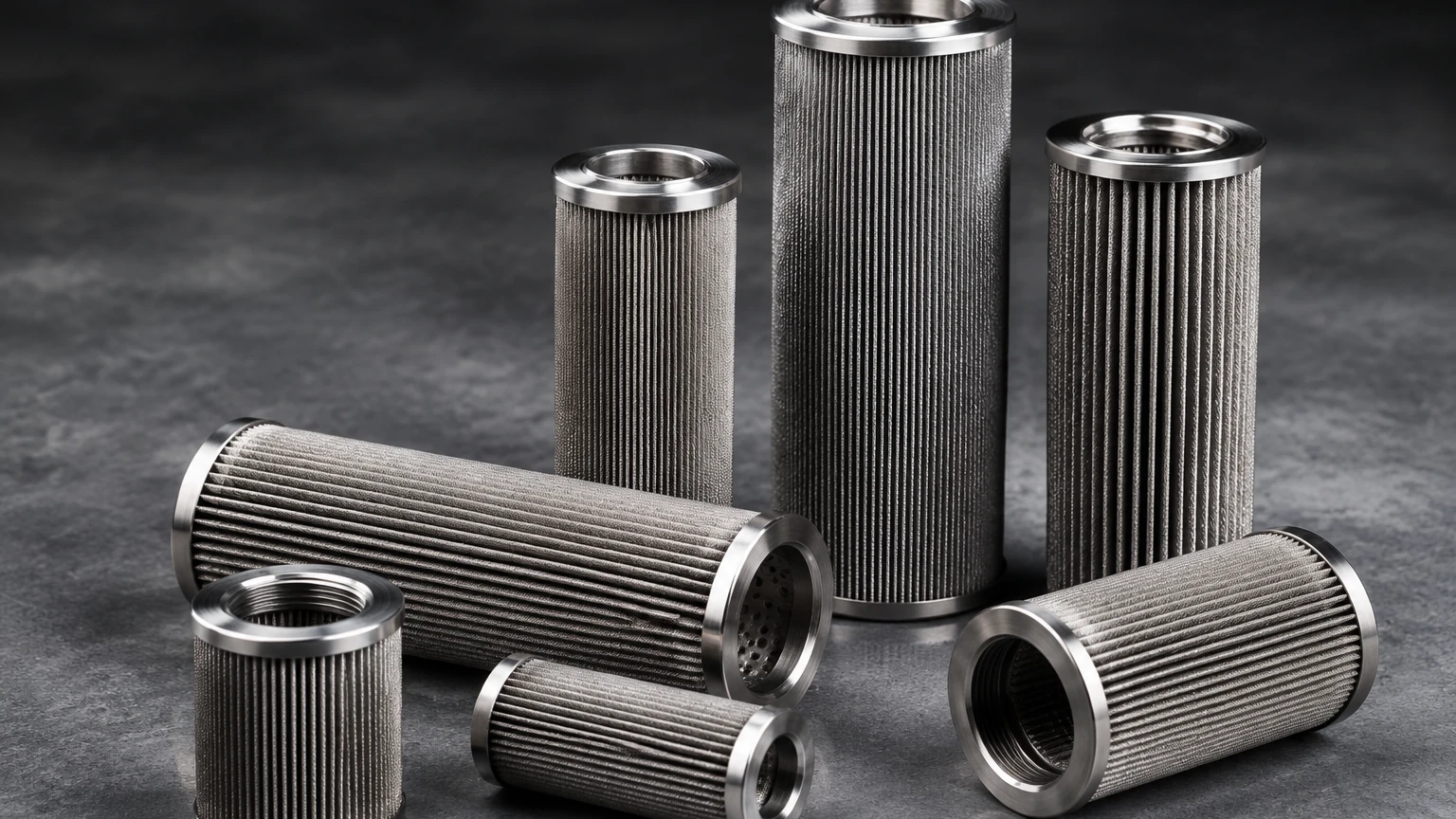
In industrial processing, the ability to maintain fluid purity under extreme thermal conditions is a critical engineering requirement. Standard filtration media, such as polymers or low-grade alloys, often fail when exposed to temperatures exceeding 150°C (300°F), leading to structural collapse, media migration, or chemical degradation. High temperature filters, specifically those constructed from stainless steel and specialty alloys, are designed to bridge this gap, providing reliable mechanical separation in environments where heat and pressure are constant variables.
Selecting the appropriate filtration system for high-temperature applications requires a deep understanding of material science, thermal expansion, and fluid dynamics. For engineers and procurement teams, the goal is to balance filtration precision with the longevity of the filter element to ensure a low total cost of ownership and minimal process downtime.
Material Science in High Temperature Filtration
The performance of high temperature filters is primarily dictated by the metallurgy of the filter media and the housing. Unlike synthetic filters, metal filters utilize the inherent thermal stability of alloys to maintain pore size and structural integrity.
Stainless Steel 304 and 316L
Stainless steel is the most common material for industrial filtration. Type 304 provides excellent heat resistance for general applications, while Type 316L offers superior corrosion resistance, particularly against chlorides and organic acids at elevated temperatures. These materials are typically rated for continuous operation up to 400°C (750°F) in non-oxidizing environments. In oxidizing atmospheres, the formation of a protective chromium oxide layer helps prevent scaling, though the effective temperature limit may be slightly lower depending on the fluid chemistry.
Exotic Alloys for Extreme Heat
When temperatures exceed the limits of standard stainless steel, or when the process fluid is exceptionally corrosive, exotic alloys such as Inconel, Monel, or Hastelloy are employed. These nickel-based alloys maintain high tensile strength and creep resistance at temperatures reaching 800°C or higher. They are frequently used in petrochemical refining, catalyst recovery, and aerospace applications where thermal cycling is frequent and severe.
Engineering Challenges: Thermal Expansion and Structural Integrity
One of the most significant challenges in designing high temperature filters is managing the differential thermal expansion between the filter element and the filter housing. As temperatures rise, metal components expand at different rates based on their mass and material composition.
Managing Thermal Stress
If a filter element is rigidly fixed within a housing without accounting for expansion, the resulting mechanical stress can cause the mesh to buckle or the seals to fail. Engineering solutions include the use of floating suspension systems, expansion bellows, or specialized metal-to-metal seals. Furthermore, the filter media itself—whether it is sintered mesh or metal fiber felt—must be engineered to withstand thermal shock, which occurs during rapid heating or cooling phases of a production cycle.
Creep and Fatigue
At sustained high temperatures, metals undergo "creep," a slow deformation under constant stress. In filtration, this can lead to the gradual enlargement of pore sizes, compromising the micron rating of the filter. High-quality high temperature filters are designed with reinforced internal cores and outer shrouds to provide the necessary mechanical support to counteract creep and ensure the filter maintains its rated efficiency over thousands of hours of operation.
Types of Metal Filter Media for High Temperatures
Not all metal filters are constructed the same way. The choice of media depends on the required filtration accuracy, the nature of the contaminants, and the pressure drop requirements of the system.
Sintered Wire Mesh
Sintered wire mesh is created by layering multiple sheets of stainless steel wire cloth and bonding them through a vacuum sintering process. This creates a robust, porous material where the individual wires are fused at every contact point. The result is a filter media that is exceptionally stable, easy to clean, and capable of withstanding high differential pressures. It is the preferred choice for applications requiring precise surface filtration.
Sintered Metal Fiber Felt
For depth filtration applications, sintered metal fiber felt is used. This media consists of non-woven stainless steel fibers that are sintered into a uniform web. It offers high porosity (up to 80%) and a high dirt-holding capacity, which results in a lower initial pressure drop and longer intervals between cleaning cycles. This is particularly useful in gas filtration and polymer melt applications.
Wedge Wire Filters
Wedge wire elements are constructed from V-shaped profiles welded onto support ribs. While they offer lower filtration precision compared to sintered mesh (typically 25 microns and above), they are incredibly strong and easy to backwash. They are often used as primary filters or strainers in high-temperature liquid lines to protect downstream equipment.
Performance Evaluation and Selection Criteria
When evaluating high temperature filters, engineers must look beyond the initial purchase price and focus on performance metrics that impact long-term operational efficiency.
1. Micron Rating and Efficiency: It is essential to confirm whether the micron rating is "absolute" or "nominal." In high-temperature gas filtration, the efficiency may change based on the velocity of the gas and the temperature-dependent viscosity of the fluid.
2. Pressure Drop (Delta P): High temperatures can change the viscosity of the fluid, which directly affects the pressure drop across the filter. A filter must be sized to handle the maximum flow rate at the highest expected viscosity without exceeding the system’s pressure limits.
3. Chemical Compatibility: Temperature acts as a catalyst for chemical reactions. A material that is resistant to a specific chemical at room temperature may succumb to rapid corrosion at 300°C. Always verify the compatibility of the alloy with the process fluid at the maximum operating temperature.
4. Cleaning and Regeneration: One of the primary advantages of metal high temperature filters is that they are cleanable. Methods such as ultrasonic cleaning, chemical baths, or high-temperature burnout (pyrolysis) can restore the filter to near-original condition, significantly extending its service life.
Applications Across Key Industries
High temperature filters are indispensable in sectors where process efficiency and equipment protection are paramount. For more information on specific configurations for these industries, you can view our Main Page.
Chemical and Petrochemical Processing
In refinery operations, filters are used for catalyst recovery from hot gas streams and the filtration of hot oils and resins. These filters must handle both high temperatures and aggressive chemical environments simultaneously.
Power Generation
Steam filtration is a common application in power plants. Removing particulates from high-pressure steam protects turbine blades from erosion and prevents the clogging of sensitive valves. Metal filters are also used in biomass gasification and coal-to-liquid processes.
Food and Pharmaceutical Production
While these industries often operate at lower temperatures than heavy industry, steam sterilization (SIP) and high-temperature cooking processes require filters that can withstand thermal cycling while meeting strict sanitary standards. Stainless steel filters are ideal here because they do not shed fibers or leach chemicals into the product stream.
Total Cost of Ownership and Maintenance
The initial investment in stainless steel high temperature filters is higher than that of disposable alternatives. However, the total cost of ownership (TCO) is often significantly lower when factoring in the following:
* Reduced Downtime: Metal filters are more durable and less prone to catastrophic failure, meaning fewer unscheduled shutdowns.
* Elimination of Disposal Costs: Because these filters can be cleaned and reused, there is no recurring cost for replacement elements or the environmental fees associated with disposing of contaminated filter media.
* Energy Efficiency: By maintaining a lower pressure drop through regular cleaning and optimized design, high temperature filters reduce the energy required by pumps and compressors to move fluid through the system.
To ensure maximum lifespan, a maintenance schedule should be established based on the monitoring of differential pressure. When the pressure drop reaches a predetermined threshold, the filter should be removed for professional cleaning or subjected to an in-situ backpulse or backwash cycle.
Conclusion
High temperature filters are specialized components that require careful engineering to function effectively in demanding industrial environments. By selecting the right materials—such as 316L stainless steel or nickel alloys—and choosing a media structure that matches the process requirements, manufacturers can achieve reliable, long-term filtration performance. Whether the application involves hot gas, steam, or corrosive liquids, the integration of high-quality metal filtration solutions is a key factor in optimizing process integrity and operational safety.
For engineers seeking to specify a custom filtration solution or understand the technical nuances of metal mesh performance, consulting with a manufacturer experienced in high-temperature applications is the most effective way to ensure that the chosen components will meet the rigors of the application. Review product options and application support on our Main Page to learn more about how precision-engineered metal filters can improve your industrial processes.
