


High Temperature Pleated Hepa Filter
In industrial environments where air or gas streams exceed standard operating temperatures, conventional filtration solutions often fail due to material degradation, outgassing, or structural collapse. A high temperature pleated hepa filter is engineered specifically to maintain high-efficiency particulate air (HEPA) standards—typically capturing 99.97% of particles at 0.3 microns—while operating in environments that can reach 250°C (482°F) to 400°C (752°F) or higher.
For engineers and procurement teams in the pharmaceutical, chemical processing, and microelectronics sectors, selecting the correct filtration component is not merely a matter of efficiency ratings; it is a matter of thermal stability and mechanical integrity. Understanding the engineering behind these filters is essential for ensuring process safety and longevity in demanding applications like depyrogenation tunnels, sterilization ovens, and high-heat exhaust systems.
Engineering Principles of High-Temperature Pleated Filtration
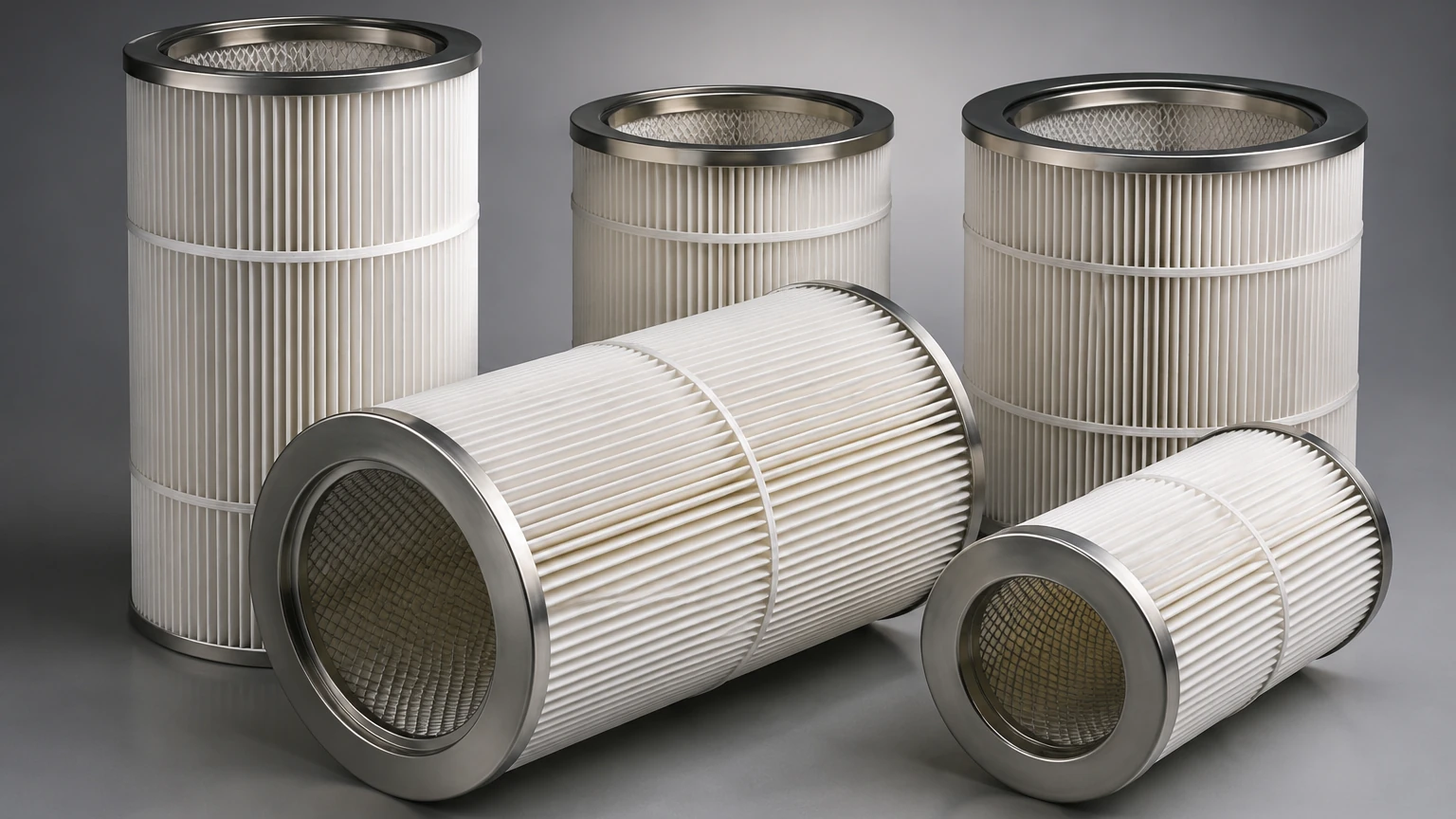
The primary challenge in high-temperature filtration is the management of thermal expansion and the preservation of the filter media's physical structure. A high temperature pleated hepa filter utilizes a pleated design to maximize the effective filtration area within a compact frame. By increasing the surface area, the filter achieves a lower face velocity and a reduced pressure drop, which are critical for maintaining the efficiency of the system over time.
In high-heat applications, the pleating process must be executed with precision. Unlike standard filters that may use synthetic separators, high-temperature variants often employ aluminum foil separators or specialized stainless steel wire mesh to maintain pleat spacing. These separators ensure that the pleats do not collapse or "blind" under the pressure of high-velocity airflows at elevated temperatures. Furthermore, the pleat density must be optimized to balance the dust-holding capacity with the structural requirements of the high-heat environment.
Material Selection for Extreme Thermal Environments
Material compatibility is the most significant differentiator between standard HEPA filters and those designed for high-temperature service. Every component of the filter—the media, the frame, the sealant, and the gasket—must be rated for the maximum operating temperature of the process.
Filter Media
While standard HEPA filters often use glass fiber media with organic binders, high-temperature versions utilize micro-glass fibers with inorganic binders or specialized metal-based media. In extreme cases where chemical resistance and mechanical strength are paramount, stainless steel wire mesh or sintered metal fibers are integrated into the design. These materials offer superior durability and can be cleaned or regenerated, unlike traditional glass fiber media.
Frame Construction
Frames for high-temperature applications are almost exclusively constructed from stainless steel (typically Grade 304 or 316L) or galvanized steel. Stainless steel is preferred for its corrosion resistance and its ability to maintain structural rigidity at temperatures where aluminum or plastic would deform. The frame must be designed to accommodate the different rates of thermal expansion between the metal housing and the filtration media to prevent bypass leaks.
Sealants and Gaskets
One of the most common failure points in high-temperature filtration is the sealant that bonds the media to the frame. Standard polyurethane sealants will melt or outgas at high temperatures. High-temperature filters utilize specialized silicone, ceramic-based adhesives, or mechanical seals. Gaskets, which provide the seal between the filter and the housing, are typically made from high-temperature silicone or glass fiber rope to ensure a leak-proof fit even as the metal components expand and contract.
Performance Metrics: Efficiency and Pressure Drop
When evaluating a high temperature pleated hepa filter, engineers must look beyond the initial efficiency rating. The performance of a filter in a high-heat environment is dynamic. As the temperature rises, the viscosity of the air or gas increases, which naturally leads to an increase in the pressure drop across the filter.
1. Filtration Efficiency: HEPA standards (H13 or H14 according to EN 1822) must be maintained throughout the temperature cycle. It is vital to confirm that the filter has been tested at its rated operating temperature, as efficiency can fluctuate if the media structure shifts due to heat.
2. Pressure Drop (Resistance): A high initial pressure drop can limit the service life of the filter and increase energy costs. Pleated designs are specifically intended to mitigate this by providing more paths for the air to travel through the media.
3. Outgassing: In cleanroom or pharmaceutical applications, it is critical that the filter does not release volatile organic compounds (VOCs) or particulate matter when first exposed to heat. High-quality filters undergo a "burn-in" or pre-conditioning process to ensure they are chemically inert at operating temperatures.
For organizations looking to optimize their filtration systems, reviewing technical specifications and manufacturing capabilities is a necessary step. You can Review product options and application support to understand how customized metal components can enhance filtration reliability.
Customization and OEM Considerations
Industrial processes rarely conform to a "one size fits all" approach. Customization is often required to meet specific spatial constraints or unique environmental challenges. When sourcing a high temperature pleated hepa filter, engineering teams should consider the following customization options:
* Bespoke Dimensions: Custom frame sizes to fit existing housings without the need for expensive ductwork modifications.
* Media Reinforcement: The addition of stainless steel face guards or internal mesh supports to prevent media migration in high-pressure systems.
* Specialized Alloys: For highly corrosive chemical environments, frames and supports can be manufactured from specialized alloys like 316Ti or Hastelloy.
* Variable Pleat Heights: Adjusting the pleat depth to optimize the balance between airflow volume and filtration efficiency based on the specific fan curve of the system.
As a professional manufacturer, Kaifil specializes in custom stainless steel filtration solutions that address these specific industrial needs. By focusing on precision metal filter components, the manufacturing process ensures that each filter meets the rigorous demands of the target application, from chemical processing to pharmaceutical sterilization.
Installation and Maintenance Cycles
The total cost of ownership for high-temperature filtration is heavily influenced by installation practices and maintenance intervals. Because these filters operate in extreme conditions, they are subject to thermal fatigue. Proper installation is critical; the filter must be seated perfectly within the housing to prevent bypass, which is the most common cause of HEPA failure.
Monitoring Performance
Differential pressure gauges should be installed to monitor the pressure drop across the filter bank. A sudden drop in pressure may indicate a media rupture or a seal failure, while a rapid increase suggests heavy particulate loading.
Replacement Cycles
Unlike standard HVAC filters, high-temperature HEPA filters are often replaced based on a combination of pressure drop readings and validated process hours. In pharmaceutical depyrogenation tunnels, for example, filters may be replaced during annual validation even if the pressure drop is within limits, to ensure absolute process safety.
Handling and Safety
Due to the materials used (such as glass fiber and metal frames), these filters must be handled with care. After being exposed to high temperatures, the media can become brittle. Additionally, if the filter has been used to capture hazardous particulates in a chemical plant, proper PPE and disposal protocols must be strictly followed during the change-out process.
Identifying Quality in High-Temperature Filters
Before finalizing a purchase, purchasing teams and engineers should verify the following technical details with the manufacturer:
* Temperature Rating: Confirm both the continuous operating temperature and the peak temperature limit.
* Certification: Ensure the filter meets EN 1822 or ISO 29463 standards for HEPA filtration.
* Material Traceability: For pharmaceutical and food-grade applications, ensure that all materials used (including sealants) are compliant with relevant safety standards.
* Structural Integrity: Ask about the testing methods used to ensure the filter can withstand rapid temperature fluctuations (thermal shock).
By focusing on these factual boundaries, industrial operators can select a filtration solution that provides a reliable barrier against contamination while withstanding the rigors of high-heat processing. Whether the application involves protecting sensitive electronic components or ensuring the sterility of medical devices, the high temperature pleated hepa filter remains a cornerstone of modern industrial safety and quality control.
For more information on customized stainless steel and metal filtration components, visit the Main Page to explore technical resources and product configurations tailored for demanding industrial sectors.
