


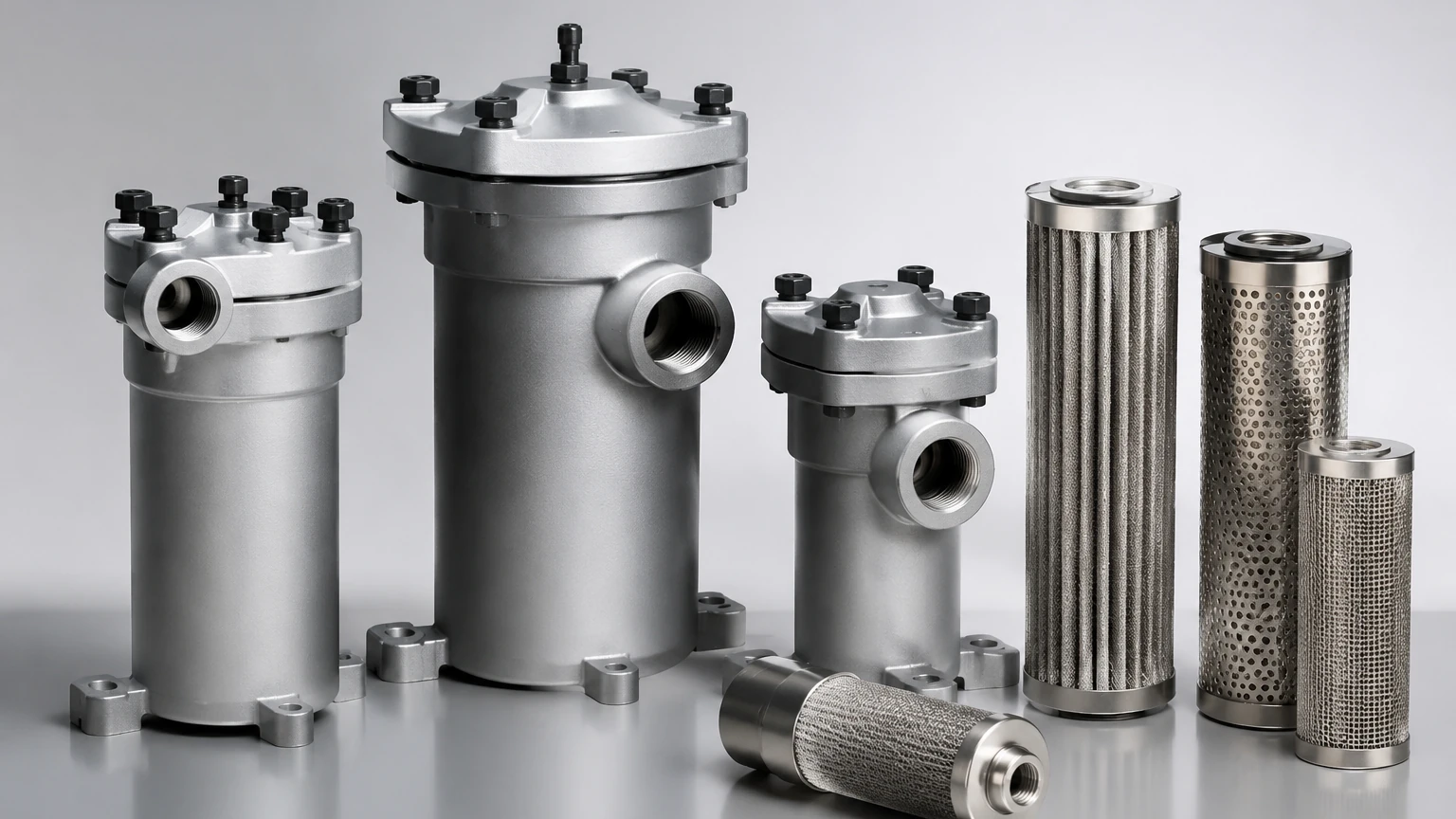
Hydac Filtergehäuse
In the landscape of industrial fluid management, the integrity of a filtration system is fundamentally dependent on the structural and functional quality of its housing. A hydac filtergehäuse (filter housing) serves as the critical pressure vessel that contains the filter element, directs the flow of the medium, and ensures that the filtration process occurs under controlled conditions. For engineers and procurement specialists, selecting the right housing involves more than matching a part number; it requires a deep understanding of fluid dynamics, material science, and the specific demands of the operating environment.
Industrial filtration systems, particularly those in hydraulic, chemical, and water treatment sectors, rely on housings to maintain system pressure while providing a leak-proof environment for high-precision filter elements. Whether the application involves high-pressure hydraulic oil or corrosive chemical processing, the housing must be engineered to withstand mechanical stress while facilitating efficient maintenance and element replacement.
Engineering Fundamentals of Industrial Filter Housings
The primary function of a hydac filtergehäuse is to provide a secure enclosure for the filter media. This enclosure must manage the transition of fluid from the inlet to the outlet with minimal turbulence and pressure loss. From an engineering perspective, several factors dictate the design and selection of these components.
Pressure Ratings and Safety Factors
Industrial housings are categorized by their operating pressure ranges: low-pressure (return line), medium-pressure, and high-pressure. A high-pressure housing used in hydraulic systems may need to withstand upwards of 420 bar. This requires robust construction, often utilizing high-strength carbon steel or, for more demanding environments, precision-machined stainless steel. The safety factor, often governed by international standards such as ASME or PED (Pressure Equipment Directive), ensures that the housing can handle pressure spikes without catastrophic failure.
Flow Dynamics and Internal Geometry
The internal design of the housing significantly impacts the overall efficiency of the filtration system. Sharp turns or narrow passages within the housing head can lead to increased pressure drop (Δp), which forces pumps to work harder and consumes more energy. High-quality housings are designed with optimized flow paths to ensure that the fluid is distributed evenly across the surface of the filter element, maximizing the dirt-holding capacity and extending the service life of the internal components.
Material Selection: The Case for Stainless Steel
While many standard industrial applications utilize carbon steel or aluminum housings, certain environments demand the superior properties of stainless steel. In sectors such as food and beverage, pharmaceuticals, and offshore oil and gas, the hydac filtergehäuse must offer exceptional resistance to corrosion and chemical degradation.
Corrosion Resistance
Stainless steel grades like 304 and 316L are the industry standards for corrosive environments. 316L, in particular, contains molybdenum, which enhances resistance to pitting and crevice corrosion in chloride-rich environments. For engineers managing water treatment plants or chemical processing lines, utilizing a stainless steel housing prevents the introduction of secondary contaminants (such as rust particles) into the process stream.
Thermal Stability
Industrial processes often operate at extreme temperatures. Stainless steel maintains its mechanical properties across a wide thermal spectrum, ensuring that the housing remains dimensionally stable and leak-proof even during thermal cycling. This is critical for maintaining the seal integrity between the housing head and the bowl.
Technical Specifications and Compatibility
When evaluating a hydac filtergehäuse for a specific project, technical compatibility is paramount. A mismatch in specifications can lead to bypass leakage, where unfiltered fluid escapes around the element, or mechanical failure of the housing itself.
Connection Types and Standards
Housings are available with various connection types, including threaded (BSP or NPT), flanged (DIN or ANSI), and manifold mounting. The choice of connection depends on the existing piping infrastructure and the required flow rate. Ensuring that the housing connections meet local and industry-specific standards is a prerequisite for a successful installation.
Sealing Materials
The choice of O-rings and seals within the housing is determined by the fluid being filtered and the operating temperature. Common materials include:
* NBR (Nitrile): Standard for mineral oils and hydraulic fluids.
* FKM (Viton): Preferred for high temperatures and aggressive chemicals.
* EPDM: Suitable for water-based fluids and certain synthetic esters.
Selecting the wrong seal material can lead to swelling or degradation, resulting in leaks and potential system downtime.
The Role of Custom Stainless Steel Components
While standard housings meet many industrial needs, specialized applications often require customized filtration solutions. This is where the expertise of a professional manufacturer becomes invaluable. Custom stainless steel filter cartridges and precision metal components are designed to fit within standard housing architectures while providing enhanced performance characteristics.
For organizations looking to optimize their filtration processes, consulting a specialist can lead to significant improvements in filtration accuracy and component durability. By integrating high-performance wire mesh filters or sintered metal elements into a standard hydac filtergehäuse, engineers can achieve higher flow rates and better resistance to pressure surges. To explore these technical possibilities, professionals can visit the Main Page for detailed product specifications and application support.
Maintenance and Operational Efficiency
The total cost of ownership (TCO) of a filtration system is heavily influenced by the ease of maintenance. A well-designed housing facilitates rapid element changes, reducing system downtime.
Clogging Indicators
Most modern filter housings are equipped with ports for clogging indicators. These devices monitor the pressure differential across the filter element. As the element traps contaminants, the Δp increases. Once it reaches a pre-set threshold, the indicator provides a visual or electrical signal, notifying maintenance teams that a change-out is required. This prevents the system from entering a bypass state, where unfiltered fluid is allowed to circulate to protect the pump.
Bypass Valves
In many hydraulic applications, the housing includes an integrated bypass valve. This valve is a safety feature designed to open if the filter element becomes completely blocked or if the fluid is too viscous (e.g., during a cold start). While necessary for system protection, frequent bypass events indicate that the filter element or the housing size may be undersized for the application.
Evaluating Customization Options for OEM Applications
Original Equipment Manufacturers (OEMs) often require filtration components that are tailored to specific machine footprints or unique fluid types. Customization can range from modified housing dimensions to the development of proprietary filter media structures.
When working with a manufacturer like Kaifil, OEMs benefit from a collaborative engineering approach. This involves:
1. Material Validation: Ensuring the stainless steel grade and mesh type are compatible with the target fluid.
2. Filtration Rating Optimization: Balancing the need for fine filtration (low micron rating) with the requirement for low initial pressure drop.
3. Structural Reinforcement: Designing internal supports for filter elements to withstand high collapse pressures.
These custom solutions ensure that the filtration system is not a bottleneck in the overall machine performance but rather a reliable component that extends the life of downstream valves, actuators, and sensors.
Selection Guide: Key Questions for Engineers
Before finalizing the procurement of a hydac filtergehäuse or its associated components, engineers should confirm the following data points:
* What is the maximum operating pressure and are there known pressure spikes? This determines the housing material and wall thickness.
* What is the fluid's chemical composition and temperature range? This dictates the choice of stainless steel grade and seal material.
* What is the required cleanliness level (ISO 4406)? This influences the selection of the filter element's micron rating and efficiency (Beta ratio).
* Are there space constraints? This may require a manifold-mounted housing or a custom-designed compact unit.
* What is the expected maintenance interval? Larger housings with higher dirt-holding capacity elements can extend the time between service events.
Conclusion
The hydac filtergehäuse is a foundational element in industrial fluid power and process engineering. Its role in protecting sensitive equipment from contamination cannot be overstated. By focusing on high-quality materials, such as precision-engineered stainless steel, and ensuring rigorous adherence to technical specifications, industrial operators can achieve a balance of performance, safety, and cost-effectiveness.
As industries move toward more automated and high-precision manufacturing, the demand for reliable filtration solutions continues to grow. Whether utilizing standard housing configurations or seeking custom-engineered metal filtration components, the goal remains the same: maintaining the purity of the fluid to ensure the longevity of the entire system. For those seeking to enhance their industrial filtration capabilities with durable, high-performance components, reviewing the available technical resources and product options is the first step toward optimized system health.
