


Hydraulic Fluid Water Separator
In industrial hydraulic systems, fluid cleanliness is the primary determinant of component longevity and system reliability. While particulate contamination is often the focus of maintenance programs, water contamination represents a significant threat that can lead to catastrophic component failure, fluid degradation, and unplanned downtime. A hydraulic fluid water separator is a specialized filtration component designed to remove water from hydraulic oil, ensuring the fluid maintains its lubricating properties and chemical stability. For engineers and procurement professionals, understanding the technical nuances of these separators is essential for maintaining high-performance industrial machinery.
Water can exist in hydraulic fluid in three states: dissolved, emulsified, and free. Dissolved water is chemically bonded to the oil molecules and is generally invisible. Once the oil reaches its saturation point—the "cloud point"—additional water becomes emulsified, creating a milky appearance. Finally, free water settles at the bottom of reservoirs or collects in low points of the system. An effective hydraulic fluid water separator must address these states to prevent the corrosive and mechanical damage associated with moisture.
The Critical Impact of Water in Hydraulic Systems
The presence of water in hydraulic fluid triggers several destructive processes. From a chemical perspective, water promotes oxidation and the depletion of essential additives. Many hydraulic oils contain sulfur- or phosphorus-based anti-wear additives that react with water through a process called hydrolysis. This reaction produces acidic byproducts that corrode metal surfaces, particularly yellow metals like brass and bronze found in pump components and valve bushings.
From a mechanical standpoint, water significantly reduces the load-carrying capacity of the fluid. Because water has a much lower viscosity and film strength than hydraulic oil, it cannot maintain the necessary protective layer between moving parts. This leads to increased friction, adhesive wear, and eventually, component seizure. Furthermore, in high-pressure systems, water can undergo vaporous cavitation. When water droplets pass through the low-pressure side of a pump, they can flash into steam; as they move to the high-pressure side, these bubbles collapse violently, pitting metal surfaces and causing severe internal damage.
Implementing a robust hydraulic fluid water separator is not merely a maintenance preference but a technical necessity for systems operating in humid environments, wash-down areas, or applications where temperature fluctuations cause condensation within the reservoir.
How a Hydraulic Fluid Water Separator Functions
There are several technologies employed to remove water from hydraulic fluids, each suited to different flow rates, viscosities, and contamination levels. The choice of technology dictates the efficiency of the separation process and the overall footprint of the filtration system.
Coalescence Separation
Coalescing separators are among the most common for removing free and emulsified water. These systems utilize specialized filter media—often involving layers of stainless steel wire mesh or synthetic fibers—to capture tiny water droplets. As the fluid passes through the media, the droplets are forced together, forming larger drops. Because water is denser than most hydraulic oils, these larger droplets eventually settle out of the oil stream and collect in a sump at the bottom of the housing, where they can be drained.
Centrifugal Separation
Centrifugal separators use high-speed rotation to create centrifugal forces that separate fluids based on density. Since water is heavier than oil, it is slung to the outer perimeter of the centrifuge bowl while the clean oil remains in the center. This method is highly effective for high-volume systems with heavy water ingress, though it requires more power and mechanical maintenance than static filtration methods.
Vacuum Dehydration
For systems requiring the removal of dissolved water, vacuum dehydration is the most effective method. By reducing the pressure inside a chamber, the boiling point of water is lowered. The hydraulic fluid is exposed to this vacuum, causing the water to evaporate at temperatures that do not damage the oil. This process is highly efficient but typically involves a more complex and expensive equipment setup compared to a standard in-line hydraulic fluid water separator.
Engineering Criteria for Selecting a Hydraulic Fluid Water Separator
When specifying a hydraulic fluid water separator, engineers must look beyond basic flow rates. Several technical variables influence the performance and compatibility of the unit within the hydraulic circuit.
1. Fluid Viscosity and Temperature: The efficiency of water separation is heavily dependent on the viscosity of the oil. Higher viscosity fluids offer more resistance to droplet movement, making coalescence more difficult. It is vital to select a separator rated for the specific ISO VG grade of the fluid at its operating temperature.
2. Flow Velocity: If the fluid velocity through the separator is too high, the coalesced water droplets may be swept back into the oil stream before they can settle. Proper sizing ensures that the "face velocity" across the filter media remains within the manufacturer’s specified limits.
3. Filtration Rating (Beta Ratio): While the primary goal is water removal, many separators also provide particulate filtration. Engineers should confirm the Beta ratio to ensure the component helps the system meet its target ISO 4406 cleanliness codes.
4. Pressure Drop (ΔP): Every filtration component introduces a pressure drop. The separator must be sized so that the clean pressure drop does not trigger bypass valves or starve downstream components, especially during cold starts when fluid viscosity is highest.
For more information on high-performance filtration components and industrial solutions, you may visit the Main Page to explore technical specifications and customization options.
Material Selection: The Advantages of Stainless Steel Components
In the construction of a hydraulic fluid water separator, the choice of materials for the housing and internal elements is paramount. While carbon steel or plastic may be sufficient for light-duty applications, industrial environments often demand the durability of stainless steel.
Stainless steel 304 and 316L are the industry standards for high-performance filtration for several reasons:
* Corrosion Resistance: Since the separator is designed to collect water, the internal components are constantly exposed to moisture. Stainless steel prevents the formation of rust within the filter itself, which would otherwise become a source of particulate contamination.
* Chemical Compatibility: Hydraulic systems in chemical processing or offshore environments may use fire-resistant fluids or be exposed to aggressive external elements. Stainless steel provides the necessary chemical inertness to prevent material degradation.
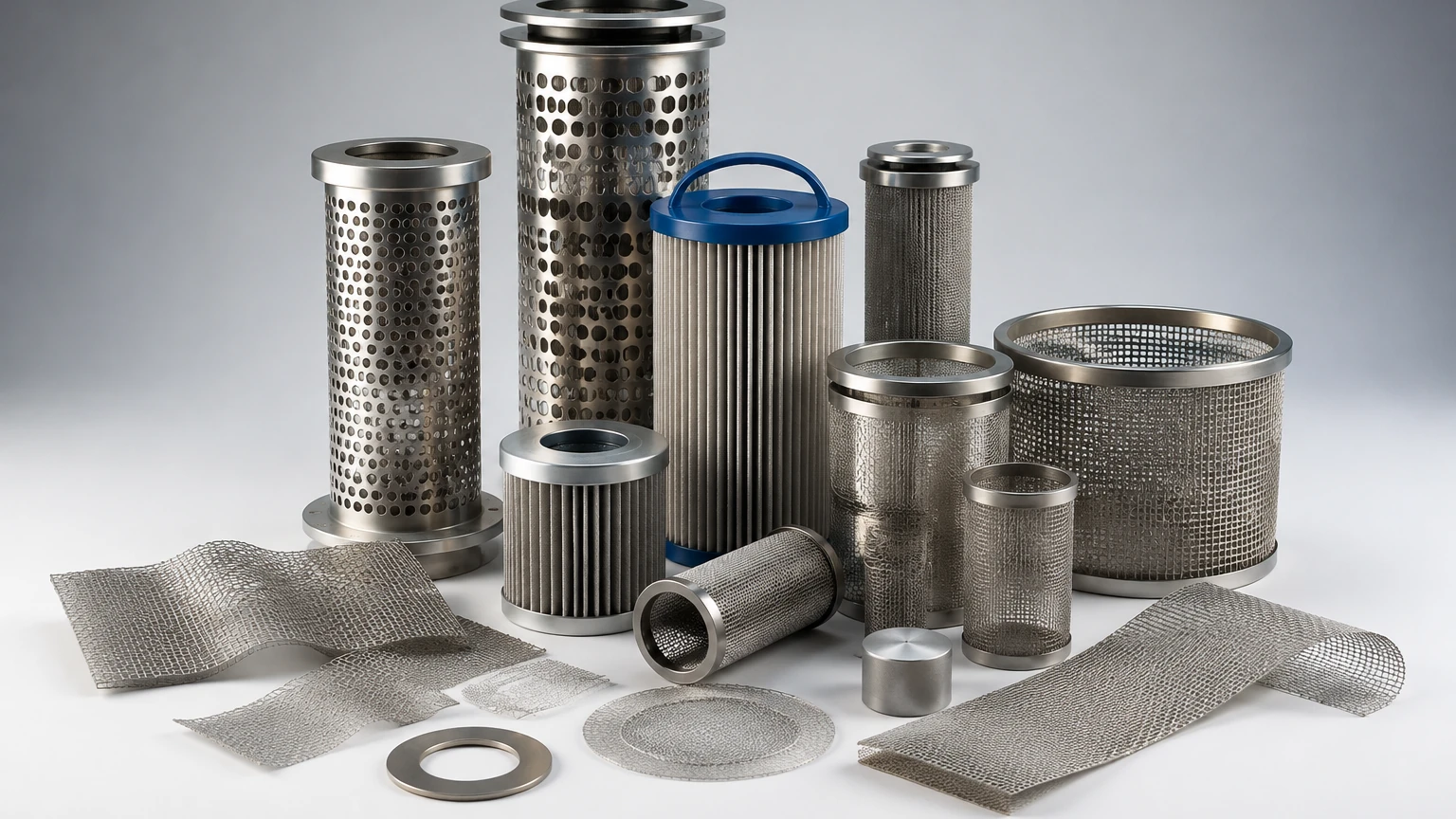
* Structural Integrity: Industrial hydraulic systems often experience pressure surges and mechanical vibrations. Stainless steel wire mesh and perforated supports offer superior fatigue resistance compared to synthetic or paper-based media, ensuring the filter does not collapse or bypass under stress.
* Cleanability and Reusability: Many stainless steel filter elements used in water separators are designed to be cleaned and reused. This reduces the long-term environmental impact and the total cost of ownership by extending the replacement cycle of the filter media.
Operational Maintenance and Performance Monitoring
A hydraulic fluid water separator is only effective if it is properly maintained. The most critical maintenance task is the regular draining of the water collection sump. If the sump overfills, the collected water will be re-entrained into the hydraulic system, defeating the purpose of the separator. Many modern systems utilize automatic drain valves or water-in-oil sensors to alert operators when the water level reaches a critical point.
Monitoring the differential pressure across the separator is also vital. An increasing pressure drop indicates that the particulate filtration stage of the separator is becoming clogged. Standard practice involves setting an alarm at a specific pressure threshold (e.g., 1.5 to 2.0 bar) to prompt a filter element change before the bypass valve opens.
Engineers should also perform periodic oil analysis to verify the separator's effectiveness. By measuring the water content in parts per million (ppm) using the Karl Fischer titration method, maintenance teams can confirm that the water levels remain below the oil's saturation point, typically aiming for less than 200-300 ppm for standard industrial hydraulic systems.
Customization for Demanding Industrial Environments
Off-the-shelf filtration solutions do not always meet the rigorous demands of specialized industries. In sectors such as food and beverage, pharmaceutical, and offshore oil and gas, the hydraulic fluid water separator must meet specific regulatory and environmental standards.
* Food and Beverage: Separators used in food processing must often utilize FDA-compliant materials and hygienic designs to prevent bacterial growth in the water collection areas.
* Pharmaceutical: High-purity applications require precision-engineered stainless steel components with specific surface finishes to ensure no contaminants are introduced into the process environment.
* Heavy Industrial/Mining: In these sectors, separators must be built with heavy-duty housings capable of withstanding extreme external impacts and high-pressure operating conditions.
Customization allows for the integration of specific port sizes, mounting configurations, and sensor ports that simplify the installation of the separator into existing machinery. By working with a manufacturer capable of providing OEM designs, engineering teams can ensure that the filtration solution is perfectly matched to the system's flow dynamics and space constraints.
Conclusion
Effective moisture management is a cornerstone of proactive hydraulic maintenance. The implementation of a high-quality hydraulic fluid water separator protects expensive pumps, valves, and actuators from the multifaceted damage caused by water contamination. By prioritizing material quality—specifically the use of stainless steel for critical components—and adhering to rigorous selection criteria based on flow, viscosity, and pressure, industrial operators can significantly extend the life of their hydraulic fluids and machinery. For those seeking reliable, high-precision filtration components tailored to industrial needs, reviewing professional product options is the first step toward optimized system performance.
