


Hydraulic Spin on Filters
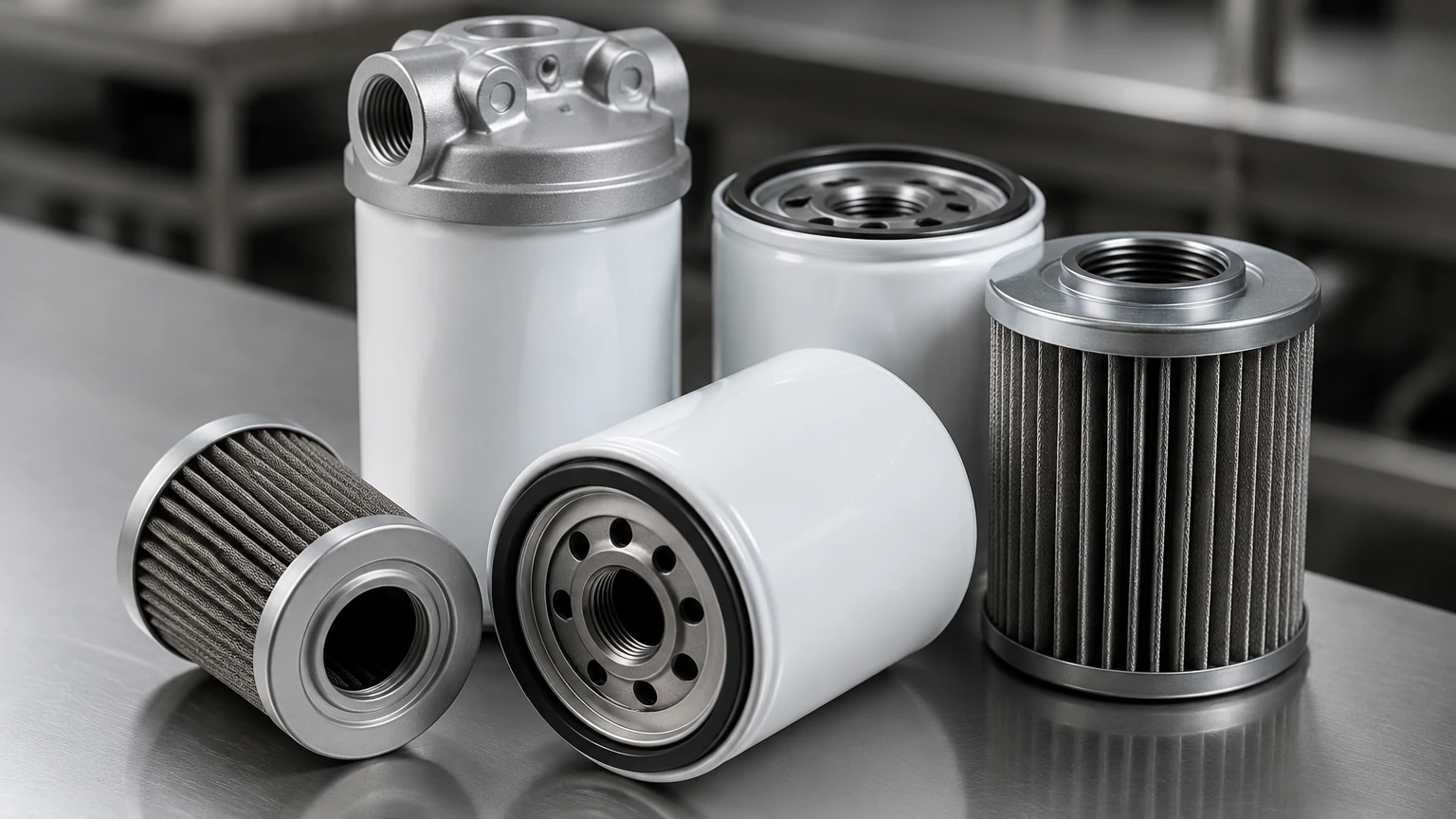
In the realm of industrial fluid power, the integrity of a hydraulic system is inextricably linked to the cleanliness of its medium. Contamination is the primary cause of component wear, valve stiction, and catastrophic system failure. Among the various filtration configurations available to engineers, hydraulic spin on filters represent a critical balance of convenience, cost-effectiveness, and reliable performance. These self-contained units, consisting of a filter element housed within a disposable metal canister, are designed for ease of replacement and robust protection in low-to-medium pressure applications.
For engineers and procurement professionals, selecting the appropriate filtration solution requires a deep understanding of fluid dynamics, material science, and the specific environmental stressors of the application. As a manufacturer specializing in precision filtration, Kaifil emphasizes the importance of technical specification over generic selection to ensure system longevity and optimized total cost of ownership.
Understanding the Role of Hydraulic Spin on Filters in System Longevity
Hydraulic systems operate under precise tolerances. Even microscopic particles, often invisible to the naked eye, can act as abrasives, eroding the surfaces of pumps, motors, and cylinders. Hydraulic spin on filters are typically deployed in the return line or suction line of a circuit, though high-pressure variants exist for specific pressure-side applications. Their primary function is to capture these contaminants before they can circulate back into the reservoir or sensitive downstream components.
The "spin-on" design is favored in mobile equipment, agricultural machinery, and industrial power units because it simplifies the maintenance process. Unlike cartridge-style filters that require the opening of a permanent housing and the manual cleaning of the interior, a spin-on filter is replaced as a complete assembly. This reduces the risk of external contaminants entering the system during a filter change—a common point of failure in field maintenance.
Engineering Considerations for Spin-On Filter Selection
When specifying hydraulic spin on filters, engineers must evaluate several physical and performance parameters to ensure the component can withstand the rigors of the operating environment. A filter that is underspecified for the system's flow or pressure will not only fail prematurely but may also cause damage to the pump through cavitation or excessive backpressure.
Flow Rate and Differential Pressure (ΔP)
Every filter introduces a degree of resistance to the fluid flow, known as differential pressure or pressure drop. This value increases as the filter media captures more contaminants. It is essential to select a filter that can handle the maximum system flow rate without exceeding the recommended clean pressure drop. If the ΔP is too high from the outset, the filter will reach its capacity quickly, leading to frequent bypass events where unfiltered oil is allowed to circulate to protect the system from over-pressurization.
Operating and Burst Pressure
Standard spin-on filters are generally rated for working pressures up to 35 bar (approximately 500 psi), though heavy-duty versions can reach higher. Engineers must confirm that the canister's fatigue rating is sufficient to handle the pressure pulsations common in hydraulic circuits. The burst pressure—the point at which the canister physically fails—must provide a significant safety margin (typically 2:1 or 3:1) over the maximum operating pressure.
Material Compatibility and Filtration Media
The choice of filtration media is perhaps the most critical factor in determining the efficiency and service life of hydraulic spin on filters. While cellulose and synthetic fibers are common, specialized industrial applications often require the durability of metal-based solutions.
Stainless Steel Wire Mesh
For applications involving high temperatures, aggressive chemical additives, or the need for a washable and reusable medium, stainless steel wire mesh is the superior choice. Kaifil specializes in custom stainless steel filtration solutions that offer exceptional structural integrity. Unlike synthetic media, which can migrate or collapse under high differential pressure, stainless steel mesh maintains its pore structure. This ensures consistent filtration accuracy throughout the service interval. Furthermore, stainless steel is naturally resistant to the corrosion that can occur when water or acidic combustion byproducts contaminate hydraulic oil.
Gasket and Seal Selection
The interface between the filter head and the canister relies on a high-quality gasket. Standard filters often use Nitrile (NBR), which is compatible with mineral-based oils. However, for systems using synthetic fluids, fire-resistant fluids, or operating at elevated temperatures, Fluorocarbon (Viton) seals are necessary to prevent leaks. Ensuring seal compatibility is a fundamental step in preventing environmental contamination and maintaining system pressure.
Technical Specifications: Micron Ratings and Beta Ratios
To accurately compare the performance of different hydraulic spin on filters, technical professionals rely on standardized metrics defined by ISO 16889. Relying solely on a "micron rating" can be misleading without understanding how that rating was derived.
Nominal vs. Absolute Filtration
A nominal rating is an empirical value indicating the filter's ability to capture a percentage of particles of a given size. In contrast, an absolute rating signifies that the filter will capture 99.9% of particles at that size or larger. For critical hydraulic components, absolute-rated filters are generally required to meet the ISO 4406 cleanliness codes specified by component manufacturers.
The Beta Ratio (βx)
The Beta ratio is the industry standard for expressing filtration efficiency. It is calculated by dividing the number of particles of a specific size upstream of the filter by the number of particles of that same size downstream. For example, a Beta ratio of 200 (β10 = 200) means that for every 200 particles of 10 microns entering the filter, only one passes through. This represents an efficiency of 99.5%. When evaluating filters, engineers should always request the Beta ratio to ensure the media can achieve the desired fluid cleanliness level.
Integrated Components: Bypass Valves and Sealing
A well-engineered hydraulic spin on filter is more than just media in a can; it includes internal mechanisms designed to protect the wider system.
The Role of the Bypass Valve
Most spin-on filter heads or canisters are equipped with an internal bypass valve. During cold starts, when the hydraulic oil is highly viscous, or when the filter element is heavily loaded with contaminants, the pressure drop across the media can spike. The bypass valve opens at a predetermined pressure (e.g., 1.5 or 2.5 bar) to allow oil to bypass the filter media. While this allows unfiltered oil into the system temporarily, it prevents the filter element from collapsing and ensures the pump is not starved of fluid, which would cause immediate and severe damage.
Anti-Drainback Valves
In applications where the filter is mounted in an orientation that allows fluid to drain out when the system is shut down, an anti-drainback valve is essential. This check valve keeps the filter full of oil, ensuring that upon restart, the system reaches operating pressure immediately and prevents "dry starts" that accelerate wear on pumps and bearings.
Optimizing Maintenance and Replacement Cycles
The goal of any filtration strategy is to maximize the life of the hydraulic equipment while minimizing maintenance costs. For hydraulic spin on filters, this requires a proactive approach rather than a reactive one.
Monitoring Differential Pressure
Rather than replacing filters based on a fixed calendar schedule, which often leads to either premature replacement or excessive system wear, engineers should utilize differential pressure indicators. These devices, which can be visual gauges or electrical sensors integrated into the PLC, alert maintenance teams when the filter has reached its effective capacity. This data-driven approach ensures that the filter is used to its maximum potential without risking a bypass event.
Total Cost of Ownership (TCO)
When evaluating the cost of filters, the initial purchase price is often the least significant factor. A low-quality filter may be cheaper upfront but can lead to higher costs through:
* Increased frequency of filter changes.
* Higher energy consumption due to excessive pressure drop.
* Shortened lifespan of expensive hydraulic pumps and valves.
* Unscheduled downtime and lost production.
By investing in high-quality hydraulic spin on filters with high-capacity media and robust construction, organizations can significantly reduce their long-term operational expenses.
Customization and OEM Solutions for Specialized Applications
Standard off-the-shelf filters are sufficient for many general-purpose applications, but specialized industrial equipment often demands custom solutions. Factors such as non-standard thread types, unique canister dimensions for tight envelopes, or the need for specific filtration efficiencies for sensitive aerospace or pharmaceutical hydraulics require a manufacturing partner with engineering depth.
Kaifil provides comprehensive OEM and customized filtration solutions, leveraging advanced manufacturing capabilities to produce precision metal filter components. Whether the requirement is for a specific stainless steel mesh weave to handle high-viscosity fluids or a custom housing to fit a proprietary manifold, custom engineering ensures that the filtration system is an optimized part of the machine design rather than an afterthought.
Engineers and purchasing teams looking to optimize their filtration performance should Review product options and application support to find the right balance of technical specifications and durability. By confirming compatibility, performance expectations, and material requirements before procurement, organizations can ensure their hydraulic systems operate at peak efficiency with minimal risk of contamination-related failure.
Conclusion
Hydraulic spin on filters are a vital component in the protection of industrial fluid power systems. While they appear simple, their selection involves a complex interplay of flow dynamics, pressure management, and material science. By focusing on absolute filtration ratings, appropriate Beta ratios, and the superior durability of materials like stainless steel wire mesh, engineers can safeguard their equipment against the silent threat of contamination. As industrial systems become more sophisticated and tolerances become tighter, the role of precision filtration will only continue to grow in importance.
