


Industrial Filter Housing
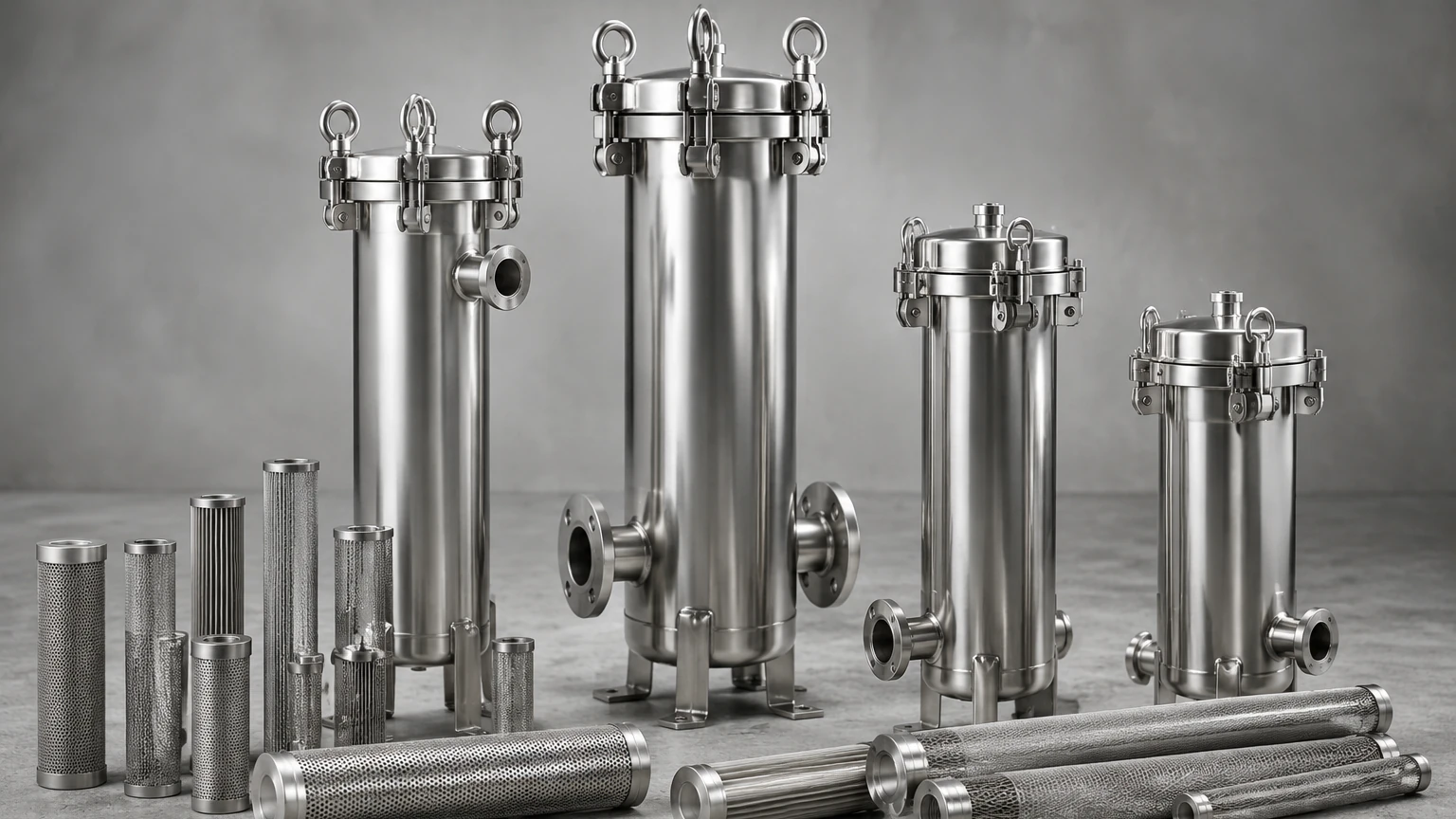
In industrial processing, the efficiency of a filtration system is determined not only by the filter element itself but also by the vessel that contains it. An industrial filter housing serves as the critical interface between the process piping and the filtration media. It is a pressure vessel designed to hold filter cartridges, bags, or baskets, ensuring that the fluid stream is directed through the media without bypass. For engineers and procurement professionals, selecting the correct housing is a matter of balancing hydraulic performance, material compatibility, and mechanical integrity.
As a specialized manufacturer of stainless steel filtration solutions, Kaifil understands that the housing must be engineered to withstand the rigors of demanding environments, from high-pressure hydraulic systems to corrosive chemical processing lines. This guide explores the technical considerations, design variations, and selection criteria essential for optimizing filtration infrastructure.
The Role of the Housing in Industrial Filtration
The primary function of an industrial filter housing is to provide a secure, leak-proof environment for the filtration process. However, its engineering significance extends further. A well-designed housing manages the fluid dynamics of the system, minimizing turbulence and pressure drop while ensuring even distribution of the fluid across the surface of the filter element.
In complex industrial setups, the housing acts as a safety barrier. It must contain the internal pressure of the system and protect the filter media from external mechanical stresses. Furthermore, the housing facilitates the maintenance process; features such as quick-opening covers and specialized drain ports are designed to reduce downtime during filter change-outs. Whether the application involves water treatment, oil and gas, or pharmaceutical manufacturing, the housing is the foundation of the filtration stage.
Classification of Industrial Filter Housings
Industrial filter housings are generally categorized by the type of media they accommodate and the volume of fluid they are designed to process. Understanding these classifications is the first step in narrowing down the selection for a specific application.
Cartridge Filter Housings
Cartridge housings are perhaps the most versatile. They can hold single or multiple cartridges, ranging from standard 10-inch lengths to high-flow 60-inch variants. Multi-round cartridge housings are used in high-capacity applications where a large surface area is required to maintain low flux rates and extend the life of the filter elements. These are common in the electronics industry for ultrapure water and in the food and beverage sector for final polishing.
Bag Filter Housings
Bag housings are typically used for high-flow, high-dirt-loading applications. They are designed to hold a felt or mesh filter bag, supported by an internal stainless steel basket. These are often the preferred choice for pre-filtration or for removing bulk solids from liquids like paints, coolants, and wastewater. They are available in single-bag or multi-bag configurations, with the latter capable of handling thousands of gallons per minute.
High-Pressure and Specialty Housings
For hydraulic systems or high-pressure gas filtration, housings must be manufactured to meet specific pressure vessel codes (such as ASME Section VIII). These housings feature thicker walls and specialized closure mechanisms to ensure safety under extreme conditions. Specialty housings may also include sanitary designs with internal polishing to prevent bacterial growth in pharmaceutical or biotech applications.
Material Selection and Engineering Standards
The choice of material for an industrial filter housing is dictated by the chemical nature of the fluid, the operating temperature, and the environmental conditions of the installation site. Stainless steel is the industry standard for its durability and resistance to a wide range of contaminants.
* 304 Stainless Steel: This is the most common material for general-purpose industrial applications. It offers excellent strength and good corrosion resistance for water, oils, and mild chemicals.
* 316L Stainless Steel: For more aggressive environments, such as those involving chlorides or acidic solutions, 316L is preferred. The addition of molybdenum enhances its resistance to pitting and crevice corrosion. It is also the standard for sanitary applications due to its ability to withstand rigorous cleaning-in-place (CIP) protocols.
* Specialty Alloys: In highly corrosive chemical processing, materials like Hastelloy or Duplex stainless steel may be required, although these are typically reserved for niche applications where standard grades would fail prematurely.
Beyond material grades, engineering standards like the ASME code provide a framework for wall thickness, welding quality, and pressure ratings. Even in non-code applications, following these engineering principles ensures that the housing can handle the fatigue of repeated pressure cycles over years of service.
Performance Metrics: Flow, Pressure, and Seals
When evaluating an industrial filter housing, engineers must look beyond the physical dimensions and focus on hydraulic performance metrics.
Pressure Drop (Delta P)
The "clean pressure drop" is the resistance the housing itself offers to the fluid flow. A housing with poorly designed internal passages or undersized inlet/outlet ports will cause a significant pressure drop even before the filter element is installed. This wastes energy and reduces the available pressure for the rest of the process. Ideally, the housing should be sized so that the initial pressure drop is a negligible fraction of the total allowable system drop.
Seal Integrity
The seal between the housing cover and the body, as well as the seal between the filter element and the housing internals, is where most filtration failures occur. Common seal materials include:
* Buna-N (Nitrile): General purpose, good for oils and water.
* EPDM: Excellent for steam and polar solvents, but poor for petroleum-based fluids.
* Viton (FKM): High-temperature resistance and broad chemical compatibility.
* PTFE/Teflon: Nearly universal chemical resistance but less resilient than elastomers.
Closure Mechanisms
The method of opening the housing impacts both safety and maintenance speed. Swing bolt closures are robust and preferred for high-pressure applications, while V-band clamps offer a lighter, quicker-opening solution for lower-pressure systems. For the highest-volume multi-bag or multi-cartridge systems, hydraulic assisted covers may be integrated to allow a single operator to perform maintenance safely.
Identifying and Mitigating Operational Risks
Failure to correctly specify an industrial filter housing can lead to several operational risks that compromise product quality or system safety.
1. Bypass: This occurs when fluid leaks around the filter element rather than passing through it. This is often caused by poor housing tolerances, damaged seals, or improper installation of the filter media. Precision-machined seats and heavy-duty hold-down plates are essential to prevent this.
2. Corrosion and Erosion: If the fluid velocity is too high at the inlet, it can cause localized erosion of the housing wall. Similarly, stagnant areas within the housing can lead to localized corrosion. Proper internal design ensures smooth flow paths.
3. Pressure Surges (Water Hammer): Sudden changes in flow can create pressure spikes that exceed the housing’s design limit. Incorporating surge tanks or specifying a higher pressure rating for the housing can mitigate this risk.
4. Incompatibility with Cleaning Agents: In industries like food processing, the housing must be compatible not only with the product but also with the caustic or acidic cleaning agents used during sanitation cycles.
Customization: Tailoring Housings to Specific Applications
Off-the-shelf housings often require compromises in piping layout or performance. This is where custom manufacturing becomes invaluable. As a manufacturer, Kaifil provides tailored solutions that align with specific engineering requirements. Customization options often include:
* Connection Types: Beyond standard NPT threads, housings can be fitted with ANSI flanges, DIN flanges, or Tri-clamp sanitary fittings to match existing infrastructure.
* Port Orientation: In-line, loop-over, or T-style configurations can be designed to minimize the footprint of the filtration system.
* Surface Finishes: From industrial bead-blasting to high-mirror electropolishing (Ra < 0.4 µm), the surface finish can be adjusted to meet the specific hygiene or friction requirements of the application.
* Integration of Sensors: Modern industrial filter housings often include ports for differential pressure gauges, air vents, and sample valves, allowing for real-time monitoring of the filtration process.
For more information on customized filtration components and precision engineering, you can visit the Main Page to explore technical specifications and project capabilities.
Maintenance and Lifecycle Management
The total cost of ownership (TCO) for an industrial filter housing includes the initial purchase price, the cost of replacement seals, and the labor required for maintenance. A housing that is easy to clean and quick to service will often pay for itself in reduced downtime.
Engineers should establish a routine inspection schedule for the housing internals. Over time, the seats where the filter elements rest can become worn or pitted, leading to bypass. O-rings and gaskets should be replaced whenever the housing is opened to ensure a positive seal. Furthermore, monitoring the differential pressure across the housing is the most effective way to determine when the internal filter elements need replacement, preventing unnecessary strain on the housing structure.
Conclusion: Technical Confirmation Before Purchase
Selecting an industrial filter housing is a technical decision that requires a deep understanding of the process variables. Before proceeding with a purchase, it is essential to confirm the maximum operating pressure and temperature, the required flow rate, and the chemical compatibility of all wetted parts.
By focusing on precision manufacturing and high-quality materials like stainless steel, industrial facilities can ensure that their filtration systems remain reliable, efficient, and safe for the long term. Whether you are upgrading an existing line or designing a new process, the housing remains the silent guardian of your fluid purity and equipment integrity.
