


Intake Screens Inc
In the realm of industrial water management, the initial point of entry for raw water—whether from a river, lake, or ocean—represents a critical engineering challenge. The systems designed to manage this intake must balance high flow rates with the protection of downstream equipment and the local environment. Within this sector, the term intake screens inc often refers to the specialized engineering and manufacturing of high-performance screening solutions designed to filter out debris and protect aquatic life while maintaining hydraulic efficiency. For engineers and facility managers, selecting the right intake system is not merely a matter of procurement but a complex decision involving fluid dynamics, material science, and regulatory compliance.
Industrial intake screens serve as the primary defense for power plants, desalination facilities, and chemical processing units. A failure at this stage can lead to catastrophic damage to pumps, heat exchangers, and sensitive filtration membranes. Understanding the technical nuances of these systems is essential for ensuring long-term operational stability and cost-effectiveness.
The Engineering Principles of Passive Intake Screens
Passive intake screens are widely regarded as the industry standard for high-volume water extraction due to their lack of moving parts and low maintenance requirements. Unlike active screens that require mechanical rakes or rotating drums, passive screens rely on their geometric design and the natural flow of the water source to maintain functionality.
Most high-quality passive screens utilize wedge wire technology. This involves a series of V-shaped profile wires welded onto internal support rods. The V-shape creates a narrow opening at the surface that widens inward, significantly reducing the risk of particles becoming wedged in the screen—a phenomenon known as blinding. By providing a consistent and precise slot width, these screens ensure that only water and microscopic particles pass through, while larger debris is swept away by the ambient current.
From an engineering perspective, the design must account for the "through-screen velocity" (TSV). To prevent the impingement of fish and other aquatic organisms, most regulatory bodies require a TSV of no more than 0.5 feet per second (0.15 meters per second). Achieving this low velocity while meeting high demand requires a large surface area, which is why intake screens are often designed in cylindrical or T-intake configurations to maximize the available open area.
Material Selection: Why Stainless Steel Dominates Intake Design
In the demanding environments where intake screens are deployed, material integrity is paramount. The choice of metal directly impacts the screen's resistance to corrosion, erosion, and mechanical stress. As a professional manufacturer, Kaifil emphasizes the use of high-grade stainless steel to ensure durability in both freshwater and marine applications.
1. Grade 304 Stainless Steel: Suitable for most freshwater industrial applications, providing excellent strength and basic corrosion resistance at a cost-effective price point.
2. Grade 316L Stainless Steel: The preferred choice for brackish water or chemical processing environments. The addition of molybdenum enhances resistance to pitting and crevice corrosion, particularly in the presence of chlorides.
3. Duplex Stainless Steel: For offshore platforms or seawater desalination plants, duplex grades offer superior yield strength and exceptional resistance to stress corrosion cracking, allowing for thinner wire profiles and increased open area without sacrificing structural stability.
When evaluating solutions from intake screens inc or custom manufacturers, engineers must also consider the finish of the material. Electropolishing or specialized coatings can further reduce the adhesion of biological growth, extending the time between manual inspections.
Hydraulic Performance and Through-Screen Velocity (TSV)
The efficiency of an intake system is measured by its head loss—the reduction in pressure as water passes through the screen. Excessive head loss can force pumps to work harder, increasing energy consumption and potentially leading to cavitation.
To optimize hydraulic performance, the ratio of the total screen area to the open area must be carefully calculated. A higher percentage of open area generally results in lower head loss and a more uniform flow distribution across the screen surface. This uniformity is critical; if the flow is concentrated in one area (hotspots), the local velocity will exceed the 0.5 fps limit, leading to increased debris accumulation and potential environmental non-compliance.
Customized filtration solutions allow for the adjustment of wire profiles and support rod spacing to match the specific flow characteristics of the site. By utilizing computational fluid dynamics (CFD) modeling, manufacturers can predict how water will enter the screen and adjust the internal baffles or flow modifiers to ensure an even intake across the entire length of the cylinder.
Mitigating Biofouling and Debris Loading
One of the primary operational risks for any intake system is biofouling—the accumulation of algae, zebra mussels, or other organisms on the screen surface. Over time, this growth restricts flow and increases the pressure drop across the system.
To combat this, many intake screens are equipped with an air-burst cleaning system. This system involves a high-pressure burst of compressed air released from within the screen. The resulting "air cannon" effect creates a shockwave and a rising curtain of bubbles that dislodges accumulated debris and biological growth, which is then carried away by the current.
For systems where air-bursting is not feasible, the use of copper-nickel alloys or specialized non-toxic anti-fouling coatings may be considered. However, for most industrial B2B applications, the combination of high-grade stainless steel and a well-timed air-burst cycle provides the most reliable and environmentally friendly solution. For more detailed technical specifications on material durability and cleaning mechanisms, you can refer to the information available on our Main Page.
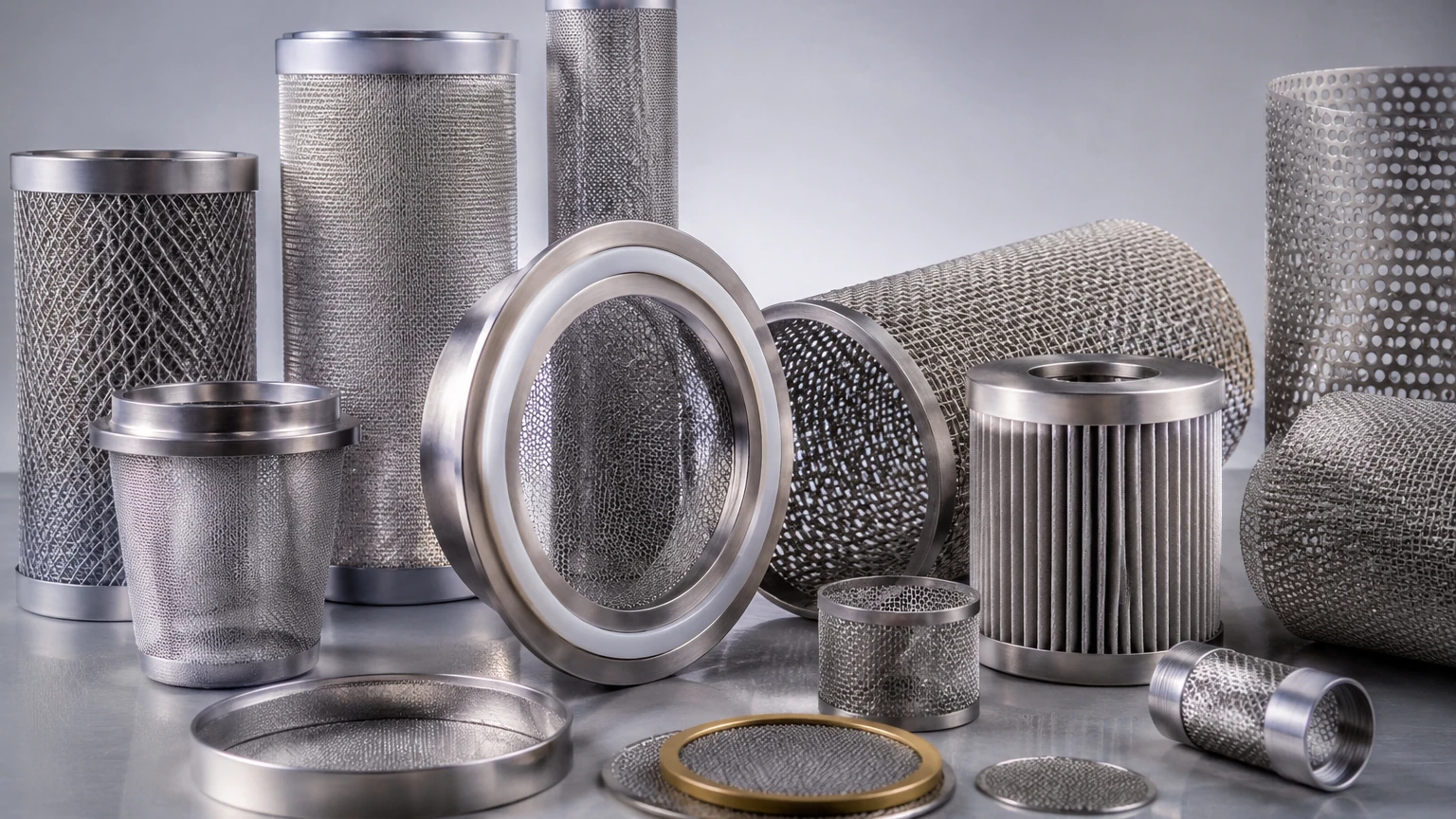
Customization and OEM Integration in Modern Filtration
No two industrial sites are identical, and off-the-shelf solutions rarely meet the precise needs of a complex facility. Customization is where manufacturers like Kaifil provide the most value, offering OEM capabilities that allow intake screens to be integrated seamlessly into existing infrastructure.
Customization options include:
* Flange and Connection Types: Ensuring the screen can be easily bolted or welded to existing intake pipes.
* Internal Flow Modifiers: Baffles or sleeves that balance the flow velocity across the screen face.
* Diver-less Installation Features: Designing the screens with lifting lugs and guide rail systems that allow for installation and retrieval without the need for commercial divers, significantly reducing operational risk and cost.
* Specific Slot Openings: Ranging from 0.5mm to 10mm or more, depending on the size of the debris and the sensitivity of the downstream equipment.
By working closely with a manufacturer that understands the intersection of mechanical engineering and filtration science, purchasing teams can ensure that the components they receive are optimized for their specific water chemistry and flow requirements.
Compliance and Environmental Stewardship (EPA 316b)
In the United States, the Environmental Protection Agency (EPA) Section 316(b) of the Clean Water Act mandates that the location, design, construction, and capacity of cooling water intake structures reflect the Best Technology Available (BTA) for minimizing adverse environmental impact. Specifically, these regulations aim to reduce the impingement (trapping against the screen) and entrainment (passing through the screen) of aquatic organisms.
Passive wedge wire screens are frequently cited as a BTA for compliance with 316(b). Their ability to maintain a low, uniform TSV and the inherent "hydrodynamic exclusion" provided by the wedge wire profile make them an ideal choice for facilities looking to meet stringent environmental permits. When selecting a provider, it is vital to confirm that their design calculations align with these regulatory standards to avoid future legal and operational complications.
Total Cost of Ownership (TCO) Considerations
While the initial capital expenditure (CAPEX) of a high-quality stainless steel intake screen may be higher than lower-grade alternatives, the total cost of ownership (TCO) is often significantly lower. A well-engineered screen reduces costs in several ways:
* Reduced Energy Consumption: Lower head loss means pumps operate at higher efficiency.
* Lower Maintenance Costs: Durable materials and effective cleaning systems reduce the frequency of manual cleaning and part replacement.
* Protection of Downstream Assets: By preventing debris from entering the system, intake screens extend the life of expensive pumps and fine-filtration membranes.
* Regulatory Compliance: Avoiding fines and the need for costly retrofits by installing compliant technology from the outset.
Engineers should look for manufacturers who provide comprehensive documentation, including material certifications, pressure drop curves, and velocity profiles, to support the long-term ROI of the investment.
Conclusion: Optimizing Long-Term Filtration Performance
Selecting an intake screen is a critical decision that impacts the entire lifecycle of an industrial water system. Whether you are consulting with intake screens inc or developing a custom solution with a manufacturer like Kaifil, the focus must remain on technical precision and material quality. By prioritizing low through-screen velocity, non-clogging wedge wire designs, and high-grade stainless steel construction, facilities can achieve reliable, compliant, and cost-effective water intake for decades to come.
For those seeking to optimize their industrial filtration processes, understanding these engineering boundaries is the first step toward a robust and efficient system. For further exploration of custom stainless steel filtration components and industrial applications, please visit our Main Page.
