


Is Plastic a Porous Surface
In the field of industrial engineering and fluid handling, material selection is dictated by the physical and chemical properties of the surfaces involved. A recurring question for engineers designing filtration systems or chemical processing lines is: is plastic a porous surface? The answer is not a simple yes or no, as it depends on the specific polymer, the manufacturing process, and the scale at which the surface is being analyzed.
For technical professionals, understanding the porosity and permeability of plastics is essential for ensuring system integrity, preventing cross-contamination, and managing the lifecycle of filtration components. While many plastics are marketed as non-porous, their behavior under industrial stress—such as high pressure, thermal cycling, and chemical exposure—can reveal microscopic vulnerabilities that differ significantly from metallic alternatives like stainless steel.
Defining Porosity in Industrial Polymers
To answer whether plastic is a porous surface, one must distinguish between macro-porosity and micro-porosity. In general material science, a porous surface is one that contains pores or interstices that allow the passage of fluids or gases.
Most rigid, high-density plastics used in industrial applications, such as Polypropylene (PP), High-Density Polyethylene (HDPE), and Polyvinylidene Fluoride (PVDF), are classified as non-porous at the macroscopic level. Unlike materials such as wood, concrete, or certain ceramics, these polymers do not have visible holes that allow liquid to seep through via capillary action.
However, at the molecular level, plastics possess what is known as "free volume." This refers to the gaps between the long-chain polymer molecules. While these gaps are too small to be considered "pores" in the traditional sense, they allow for the diffusion of small molecules, particularly gases and certain organic solvents. This phenomenon is technically referred to as permeability rather than porosity, but in practical engineering terms, it means the surface is not an absolute barrier.
Factors That Make Plastic Behave Like a Porous Surface
Even if a plastic is manufactured to be non-porous, various environmental and mechanical factors can alter its surface characteristics over time. Engineers must account for these variables when determining if a plastic component is suitable for a specific application.
Chemical Degradation and Pitting
When plastics are exposed to aggressive chemicals that are not fully compatible with the polymer matrix, the surface can undergo degradation. This often manifests as micro-cracking or pitting. These microscopic imperfections effectively turn a previously smooth surface into a porous one, providing sites for bacterial growth or chemical retention. This is a critical concern in food and beverage or pharmaceutical applications where Clean-in-Place (CIP) protocols are used.
Thermal Stress and Expansion
Plastics have significantly higher coefficients of thermal expansion compared to metals. Repeated heating and cooling cycles can cause the polymer chains to shift, potentially increasing the free volume or leading to stress-cracking. In high-temperature filtration environments, the "non-porous" nature of a plastic housing or support core may be compromised, leading to bypass or structural failure.
Mechanical Wear and Abrasion
In systems handling abrasive slurries or high-velocity fluids, the surface of plastic components can become etched. This mechanical wear increases the surface area and creates microscopic recesses. For engineers, this means the surface becomes harder to sterilize and more prone to fouling, mimicking the behavior of a naturally porous material.
The Impact of Surface Characteristics on Industrial Filtration
In the context of filtration, the question of whether a surface is porous extends beyond the filter media itself to the housings, gaskets, and support structures. If a plastic surface is even slightly permeable or becomes porous through wear, it can lead to several operational challenges.
1. Cross-Contamination: In multi-product facilities, a plastic surface that has absorbed trace amounts of a previous batch can leach those chemicals into the next run. This is particularly problematic with flavors in food processing or active ingredients in pharmaceutical manufacturing.
2. Biofilm Accumulation: Microscopic pores or surface irregularities provide a foothold for microorganisms. Once a biofilm is established within the surface of a plastic component, it is notoriously difficult to remove with standard sanitizing agents, as the chemicals may not penetrate deep enough into the micro-pores.
3. Structural Integrity: If a fluid penetrates the surface of a plastic (absorption), it can cause the material to swell. This swelling changes the dimensional tolerances of the component, which can be disastrous for precision-engineered filtration assemblies.
For those seeking high-performance alternatives that eliminate the risks associated with polymer porosity, reviewing professional options on the Kaifil Main Page can provide insights into how stainless steel solutions address these industrial challenges.
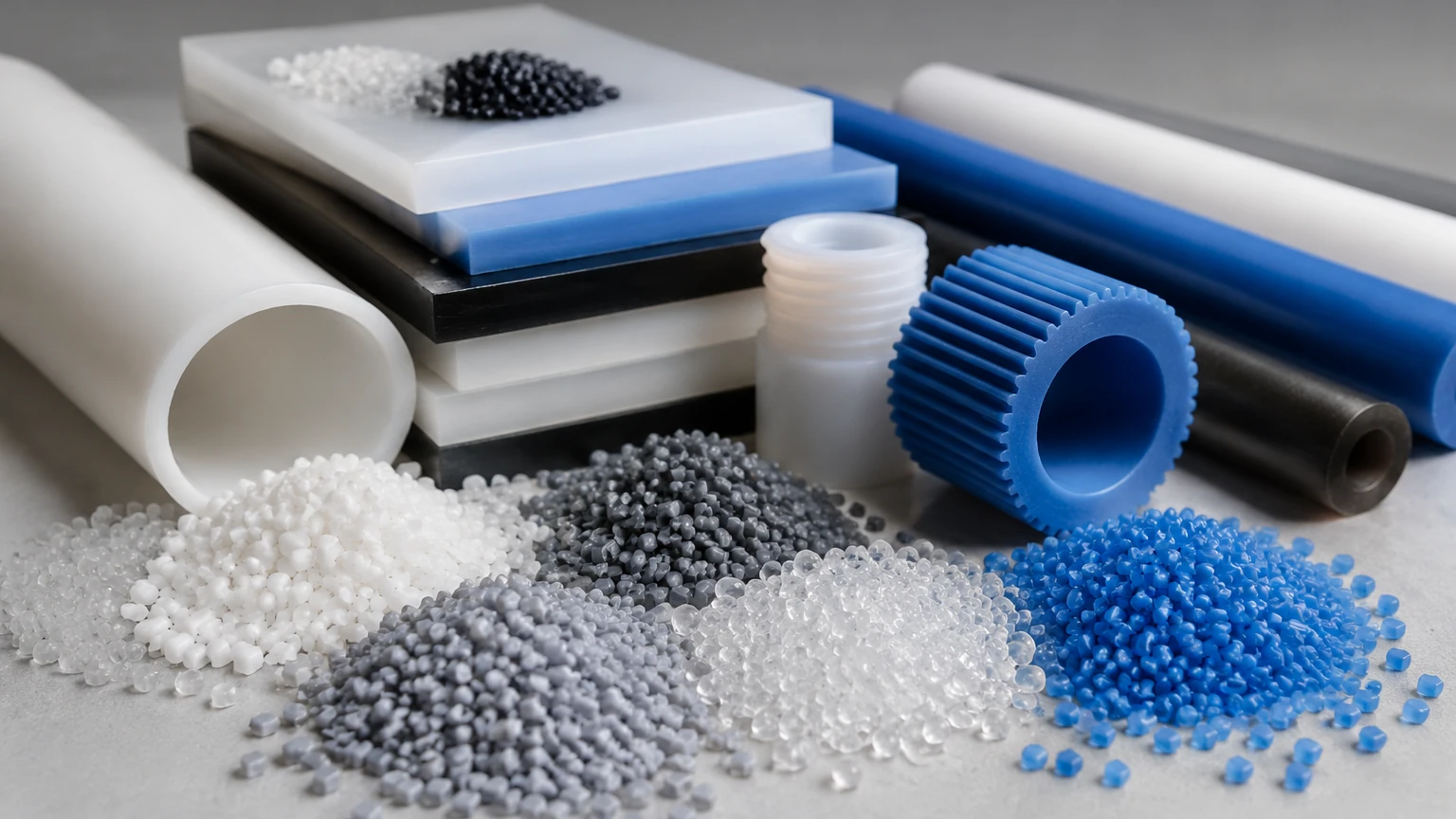
Comparing Plastic and Stainless Steel Filtration Components
When evaluating materials for demanding industrial environments, engineers often compare plastics with stainless steel (typically 304 or 316L grades). The differences in surface porosity and performance are stark.
| Feature | Industrial Plastics (PP, PTFE, PVDF) | Stainless Steel (304/316L) |
| :— | :— | :— |
| Porosity | Macroscopically non-porous; molecularly permeable. | Entirely non-porous and impermeable. |
| Surface Finish | Variable; prone to scratching and etching. | Can be electropolished to extremely low Ra values. |
| Chemical Resistance | Excellent for many acids; poor for certain solvents. | Excellent for most industrial chemicals and solvents. |
| Temperature Limit | Generally <100°C to 150°C (depending on type). | Stable at very high temperatures (>400°C). |
| Cleaning/Sterilization| Limited by temperature and chemical sensitivity. | Compatible with high-pressure steam (SIP) and harsh CIP chemicals. |
Stainless steel is a truly non-porous material. Its crystalline structure does not allow for the absorption of fluids or the diffusion of gases in the same way polymer chains do. In critical applications where zero-retention is required, stainless steel is the industry standard. Furthermore, stainless steel can be machined and polished to a mirror finish, ensuring that there are no microscopic crevices where contaminants can hide.
Engineering Selection: When to Prioritize Non-Porous Stainless Steel
While plastics are cost-effective and lightweight, there are specific scenarios where the potential porosity or permeability of plastic makes it an inferior choice compared to precision-engineered metal components.
High-Pressure Applications
In hydraulic systems or high-pressure chemical processing, the structural integrity of the filter housing and media support is paramount. Plastics can undergo creep or deformation under sustained pressure, which may open up micro-channels in the material. Stainless steel maintains its shape and impermeability even under extreme mechanical stress.
Sanitary and Aseptic Processes
In the pharmaceutical and biotechnology sectors, the ability to achieve a validated state of cleanliness is mandatory. Because plastic can be slightly porous or become so over time, it may fail to meet the stringent requirements of sanitary design. Stainless steel filter cartridges and housings, with their smooth, non-porous surfaces, are the preferred choice for maintaining sterility.
Long-Term Durability and Total Cost of Ownership
Although the initial cost of stainless steel is higher than plastic, its non-porous nature contributes to a longer service life. Plastic components often require more frequent replacement due to surface degradation, staining, or odor retention. When calculating the total cost of ownership, the durability and ease of cleaning provided by a non-porous metal surface often outweigh the lower upfront cost of plastic.
Conclusion: Optimizing Material Selection for Long-Term Performance
Understanding whether is plastic a porous surface requires looking beyond the surface level. While most industrial plastics are not porous in the way a sponge is, they are susceptible to permeability, chemical absorption, and surface degradation that can compromise their performance in sensitive applications.
For engineers and purchasing teams, the decision between plastic and stainless steel should be based on the specific requirements of the application—considering temperature, pressure, chemical compatibility, and hygiene standards. In many demanding industrial sectors, the move toward stainless steel filtration solutions is driven by the need for a truly non-porous, durable, and reliable material that can withstand the rigors of modern manufacturing.
By selecting materials that offer predictable surface characteristics and high resistance to environmental stress, companies can optimize their filtration processes, reduce downtime, and ensure the highest quality of their end products. For those looking to implement robust, custom-engineered filtration systems, exploring the technical capabilities of stainless steel remains the most effective path toward operational excellence.
