


Iv Filter
In high-precision industrial manufacturing, particularly within the pharmaceutical, chemical, and biotechnology sectors, the term "iv filter" refers to a critical component in the production and delivery of sterile fluids. While often associated with the point-of-care medical devices used in hospitals, the industrial-grade iv filter is a sophisticated piece of engineering designed to ensure that intravenous solutions are free from particulate matter, air emboli, and microbial contaminants during the manufacturing and filling processes. For engineers and procurement specialists, selecting the right filtration technology is a matter of balancing mechanical durability, chemical compatibility, and absolute filtration efficiency.
Industrial filtration systems used in the production of intravenous fluids must meet stringent regulatory standards. These systems rely on high-quality materials, often stainless steel or specialized alloys, to maintain the integrity of the fluid path. As a professional manufacturer, Kaifil provides the technical expertise required to navigate these complex requirements, offering customized stainless steel filtration solutions that support the demanding needs of global industrial applications.
Engineering Standards for IV Fluid Filtration Systems
The primary function of an iv filter in a production environment is the removal of unintended contaminants. These contaminants can include undissolved drug constituents, glass fragments from ampoules, rubber particles from vial stoppers, and environmental debris. In an industrial context, the filtration process must be scalable and robust enough to handle high flow rates without sacrificing the precision of the micron rating.
Engineers must consider the "absolute" versus "nominal" rating of the filter. For intravenous applications, absolute ratings are typically required to ensure that 100% of particles above a specific size are captured. This is critical because even microscopic particles can cause phlebitis or systemic inflammatory responses if they enter the bloodstream. Furthermore, the filter must be capable of air elimination. Air trapped in the fluid line can lead to air embolism, making the integration of hydrophobic membranes or specialized venting structures a common requirement in complex filtration assemblies.
Material Selection: Why Stainless Steel and Precision Wire Mesh?
While polymer-based filters are common in disposable medical kits, the industrial production of these fluids often requires the durability of metal. Stainless steel, particularly 316L grade, is the material of choice for several reasons:
1. Chemical Compatibility: Intravenous solutions can vary significantly in pH and chemical composition. Stainless steel provides superior resistance to corrosion and chemical degradation compared to many plastics.
2. Thermal Stability: Industrial filtration systems often undergo Steam-in-Place (SIP) or Clean-in-Place (CIP) sterilization cycles. Stainless steel wire mesh filters can withstand the high temperatures and pressures of autoclaving and steam sterilization without losing structural integrity.
3. Mechanical Strength: In high-pressure hydraulic or chemical delivery systems, the filter must resist deformation. Precision-woven wire mesh provides a stable pore structure that does not shift under pressure, ensuring consistent filtration performance over the life of the component.
4. Reusability and Sustainability: Unlike single-use plastic filters, stainless steel cartridges can often be cleaned and reused, reducing the total cost of ownership and the environmental impact of the manufacturing process.
At Kaifil, we specialize in the fabrication of these precision metal components, ensuring that every wire mesh filter meets the exact specifications required for high-purity fluid processing.
Filtration Accuracy and Performance Metrics
When evaluating an iv filter for industrial use, performance is measured by more than just the pore size. Several key metrics dictate the efficiency of the filtration system:
Pore Size Distribution
A high-quality filter should have a narrow pore size distribution. If a filter is rated at 5 microns but has a wide distribution of pore sizes, it may allow larger particles to pass through or become prematurely clogged by smaller debris. Precision manufacturing techniques, such as vacuum sintering, allow for the creation of multi-layer mesh structures that provide both high dirt-holding capacity and exact filtration accuracy.
Flow Rate vs. Pressure Drop
Every filter introduces a degree of resistance to the fluid flow, known as pressure drop. Engineers must calculate the optimal surface area to ensure that the required flow rate is maintained without exceeding the system's pressure limits. Pleated filter designs are often used to increase the effective filtration area within a compact housing, allowing for higher throughput in a smaller footprint.
Bubble Point Testing
To ensure the integrity of a filter, especially those used for sterilization, bubble point testing is a standard procedure. This test measures the pressure required to force air through a liquid-saturated filter. It is a non-destructive way to verify that the filter's pore size is within the specified range and that there are no leaks or defects in the filter media or seals.
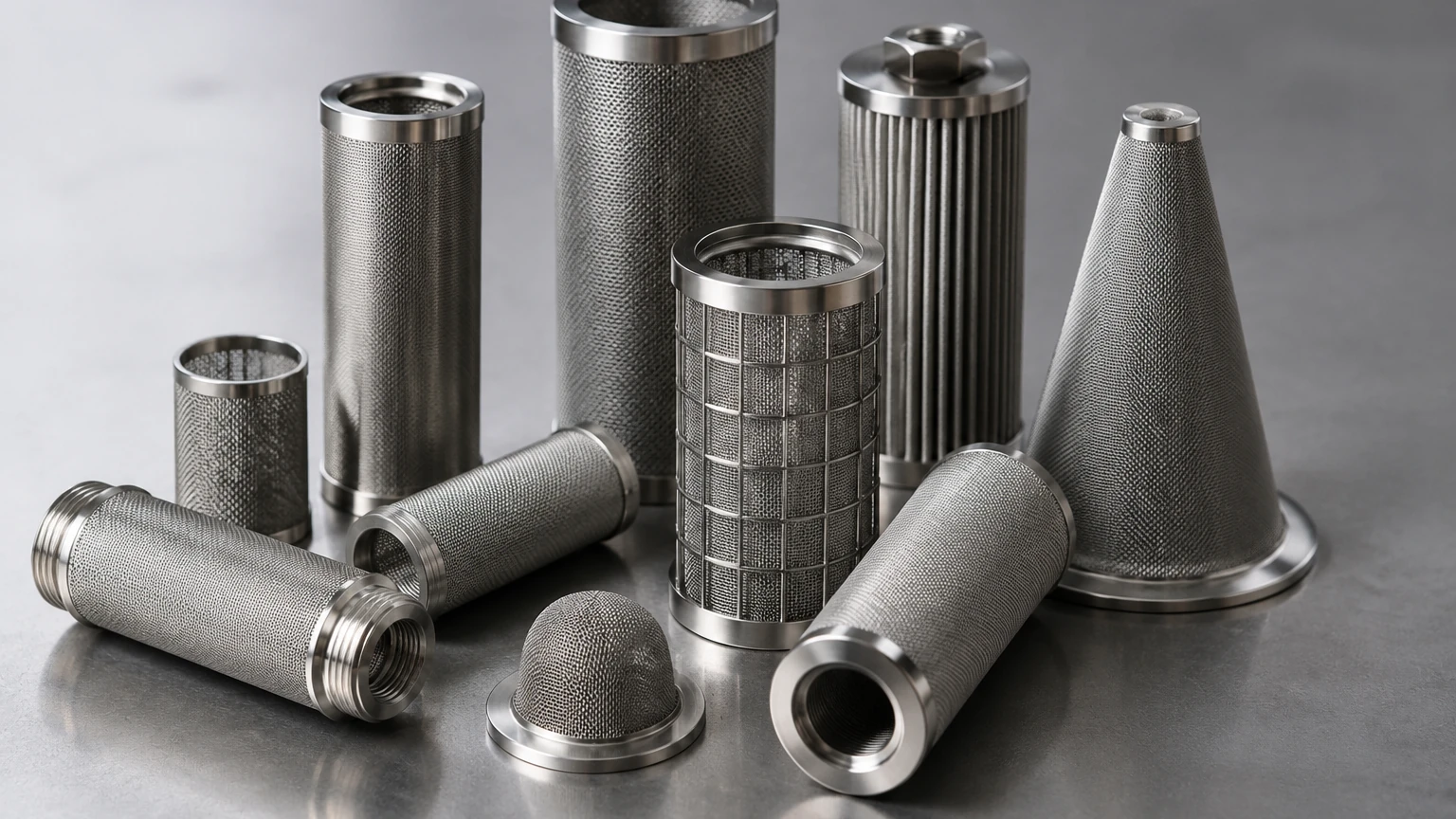
Customization and OEM Integration for Industrial Filters
No two industrial processes are identical. A pharmaceutical filling line may have different spatial constraints and connection requirements than a chemical processing plant. This is where the value of a custom manufacturer becomes apparent. Customization options for iv filter components include:
* Custom End Caps: Whether the system requires threaded connections, flange mounts, or quick-release fittings, the filter must integrate seamlessly into existing hardware.
* Layered Mesh Structures: By combining different layers of wire mesh—such as a fine filtration layer protected by coarser support layers—manufacturers can create a filter that is both highly accurate and mechanically robust.
* Specific Alloy Selection: While 316L is standard, some applications may require Hastelloy, Monel, or other exotic alloys to handle highly aggressive chemical environments.
Kaifil’s experience in OEM manufacturing allows us to work closely with engineering teams to develop filtration components that are purpose-built for their specific machinery. By focusing on the unique demands of the application, we help our clients achieve higher levels of reliability and efficiency. To explore the full range of our manufacturing capabilities, you can visit our Main Page.
Operational Considerations: Replacement Cycles and Maintenance
In a B2B environment, the total cost of ownership (TCO) is often more important than the initial purchase price. For filtration systems, the TCO is heavily influenced by the replacement cycle and the ease of maintenance.
Monitoring Filter Life
Differential pressure sensors are typically used to monitor the state of the filter. As the filter captures contaminants, the pressure drop across the media increases. Once it reaches a predetermined threshold, the filter must be cleaned or replaced. In continuous processing environments, duplex filter systems are often employed, allowing one filter to be serviced while the other remains in operation, thereby eliminating downtime.
Cleaning Protocols
For stainless steel filters, cleaning protocols must be carefully defined. Ultrasonic cleaning, chemical baths, or backpulsing are common methods used to remove accumulated particulates from the mesh. It is vital to ensure that the cleaning process does not damage the fine wires of the mesh or compromise the integrity of the welds. A well-maintained stainless steel filter can last for years, providing a significant return on investment compared to disposable alternatives.
Risk Mitigation
The primary risk in filtration is bypass—where fluid flows around the filter media rather than through it. This is usually caused by poor seal design or mechanical failure of the filter element. Choosing a manufacturer that utilizes advanced welding techniques, such as TIG or plasma welding, ensures that the joints of the filter are as strong as the media itself, minimizing the risk of bypass.
Conclusion: Selecting the Right Partner for Filtration Solutions
The selection of an iv filter for industrial applications is a technical decision that impacts product quality, safety, and operational efficiency. By understanding the engineering principles of filtration—from material science to fluid dynamics—purchasing teams can make informed decisions that align with their long-term goals.
Whether you are designing a new pharmaceutical production line or optimizing an existing chemical process, the reliability of your filtration components is paramount. Working with a dedicated manufacturer like Kaifil ensures that you receive high-performance, customized solutions backed by technical expertise and a commitment to quality. For more information on our products and how we can support your specific filtration needs, please visit our Main Page to review product options and application support.
