


Iv Tubing with a Special Filter
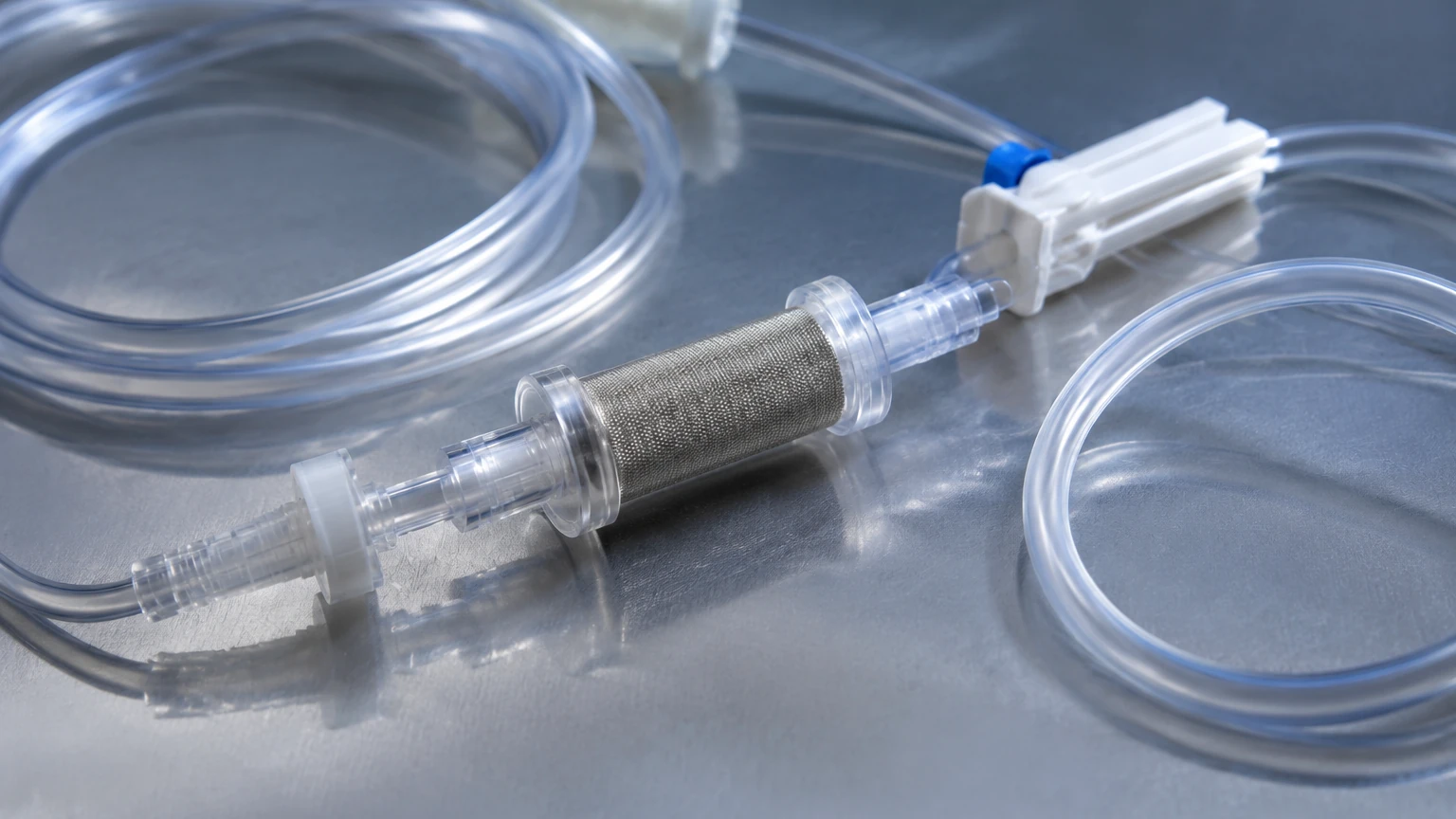
In the landscape of precision fluid delivery, the integration of filtration technology into tubing systems is a critical requirement for ensuring the purity, safety, and consistency of the medium being transported. Whether in a clinical pharmaceutical environment or a high-precision chemical processing plant, the use of iv tubing with a special filter serves as a primary line of defense against particulate contamination, air emboli, and microbial ingress. For engineers and procurement professionals, selecting the appropriate filtration component requires a deep understanding of fluid dynamics, material compatibility, and the specific mechanical constraints of the application.
Industrial filtration manufacturers like Kaifil specialize in the engineering of these precision components, moving beyond standard disposable options to provide durable, high-performance stainless steel and wire mesh solutions that meet the rigorous demands of modern industrial and medical OEM applications. Understanding the technical nuances of these filters is essential for optimizing system performance and ensuring long-term reliability.
The Technical Role of Special Filters in Fluid Delivery
The primary function of a special filter within a tubing assembly is to remove unwanted elements from the fluid stream without compromising the flow rate or integrity of the solution. In the context of IV (intravenous) or similar precision delivery systems, "special" typically refers to filters designed for specific tasks that exceed the capabilities of a standard 15-micron particulate filter.
Particulate Retention and Micron Ratings
Precision filters are categorized by their micron rating, which defines the size of particles they are capable of trapping. In high-stakes fluid delivery, filters often range from 0.22 microns (sterilizing grade) to 1.2 or 5 microns. A 0.22-micron filter is engineered to remove bacteria and fungi, making it indispensable for pharmaceutical applications where sterility is non-negotiable. Conversely, a 1.2-micron filter is often utilized for lipid-rich solutions or larger molecular structures that would prematurely clog a finer mesh.
Air Elimination and Venting
One of the most critical "special" features in these filters is the inclusion of a hydrophobic membrane or vent. As fluid passes through the hydrophilic (water-attracting) portion of the filter, any air trapped in the line is forced out through a hydrophobic (water-repelling) vent. This prevents air from entering the downstream system, which is vital in both medical patient care and industrial processes where air bubbles can cause cavitation in pumps or inaccuracies in volumetric dosing.
Engineering Considerations for Filter Selection
When designing or sourcing iv tubing with a special filter, engineers must evaluate several technical parameters to ensure the component is fit for purpose. A filter that is too restrictive will cause excessive pressure drop, while one that is too coarse will fail to protect the integrity of the process.
1. Effective Filtration Area (EFA)
The EFA refers to the actual surface area of the filter media available for fluid passage. A larger EFA allows for higher flow rates and a higher dirt-holding capacity, which extends the life of the filter. For compact tubing assemblies, manufacturers must use pleated designs or high-porosity wire meshes to maximize the EFA within a small housing footprint.
2. Pressure Drop and Flow Rates
Every filter introduces a degree of resistance to the flow. Engineers must calculate the maximum allowable pressure drop ($ΔP$) across the filter. If the pressure drop is too high, it can lead to tubing failure, pump strain, or a significant decrease in the delivery rate of the fluid. Stainless steel wire mesh filters are often preferred in industrial settings because they offer high structural integrity, allowing them to withstand higher differential pressures than polymer-based membranes.
3. Material Compatibility
The housing and the filter media must be chemically inert relative to the fluid being transported. While many medical filters use PES (Polyethersulfone) or Nylon membranes, industrial-grade applications often require 316L stainless steel. Stainless steel provides superior resistance to corrosive chemicals, high temperatures, and mechanical stress, making it the material of choice for reusable or high-durability systems. To explore a wide range of material options and technical specifications, professionals often consult a comprehensive Main Page of filtration solutions to compare performance data.
Comparison of Filter Media: Polymer vs. Stainless Steel
While polymer membranes are common in single-use medical IV sets, industrial and high-end OEM applications frequently turn to metal-based filtration. Understanding the trade-offs between these materials is key to informed purchasing.
| Feature | Polymer Membranes (PES/Nylon) | Stainless Steel Wire Mesh |
| :— | :— | :— |
| Durability | Low (Single-use) | High (Reusable/Long-life) |
| Temperature Resistance | Limited (usually <60°C) | Excellent (up to 400°C+) |
| Chemical Compatibility | Varies by polymer | Broad (highly resistant) |
| Cleaning/Sterilization | Disposable | Autoclavable, Ultrasonic cleaning |
| Mechanical Strength | Low (prone to tearing) | High (withstands high ΔP) |
For systems requiring iv tubing with a special filter that can be cleaned and reused, or for those handling aggressive solvents, stainless steel mesh components provided by specialists like Kaifil offer a more sustainable and reliable alternative to plastic disposables.
Common Risks and Mitigation Strategies
Implementing filtration into a tubing system is not without risks. Engineers must account for potential failure points to maintain system uptime and safety.
Filter Clogging and Occlusion
Clogging is the most common issue in fluid filtration. It occurs when the particulate load exceeds the filter's dirt-holding capacity. To mitigate this, systems should be designed with a pre-filter (coarser mesh) to capture larger debris before the fluid reaches the "special" fine filter. Additionally, monitoring the pressure differential across the filter can provide early warning signs of an impending occlusion.
Protein Binding and Adsorption
In pharmaceutical and biotech applications, certain filter materials can "stick" to the active ingredients in the fluid, a process known as adsorption. This can reduce the concentration of the delivered solution. Selecting low-protein-binding materials, such as specially treated stainless steel or specific synthetic polymers, is essential for maintaining the potency of the fluid.
Integrity Failure
A breach in the filter media—whether due to mechanical stress or chemical degradation—can lead to catastrophic contamination downstream. Regular integrity testing, such as the Bubble Point Test or Pressure Hold Test, should be performed to ensure the filter is still performing to its rated micron specification.
Customization and OEM Integration
Standard off-the-shelf filters often fall short when integrated into specialized industrial equipment. Customization is frequently required to match the specific dimensions of the tubing, the required flow dynamics, and the environmental conditions of the application.
Kaifil provides extensive OEM capabilities, allowing for the development of bespoke filtration components. This includes:
* Custom Micron Ratings: Engineering mesh to specific retention requirements.
* Housing Design: Creating compact, high-pressure housings that integrate seamlessly with existing tubing connectors (e.g., Luer locks, compression fittings).
* Material Selection: Utilizing specialized alloys for extreme chemical environments.
By working closely with a manufacturer during the design phase, engineers can ensure that the filter does not become a bottleneck in the system but rather an integrated component that enhances overall process efficiency.
Total Cost of Ownership (TCO) Considerations
When evaluating the cost of iv tubing with a special filter, it is a mistake to look only at the initial purchase price. For industrial and medical device manufacturers, the Total Cost of Ownership (TCO) includes:
1. Replacement Frequency: Disposable filters may have a low unit cost but high cumulative costs and labor requirements for frequent changes.
2. System Downtime: Every time a filter needs to be replaced, the system must be stopped. Durable stainless steel filters can significantly reduce this downtime.
3. Waste Management: In high-volume environments, the disposal of plastic filters can lead to significant environmental impact and disposal fees.
4. Risk of Failure: The cost of a single batch of ruined product due to a filter failure far outweighs the investment in a high-quality, precision-engineered filtration component.
Conclusion: Making Informed Filtration Decisions
The selection of iv tubing with a special filter is a technical decision that impacts the safety, efficiency, and cost-effectiveness of fluid delivery systems. By focusing on micron accuracy, material durability, and flow dynamics, engineers can select a solution that meets the specific rigors of their application.
Whether you are designing a new medical device or optimizing a chemical processing line, the quality of the filtration component is paramount. For those seeking technical guidance or customized filtration hardware, visiting the Main Page of a dedicated manufacturer like Kaifil provides access to the engineering expertise required to solve complex filtration challenges. Prioritizing precision and durability in filter selection ensures that your system remains protected, compliant, and operational for the long term.
