


Lake Screen Filter
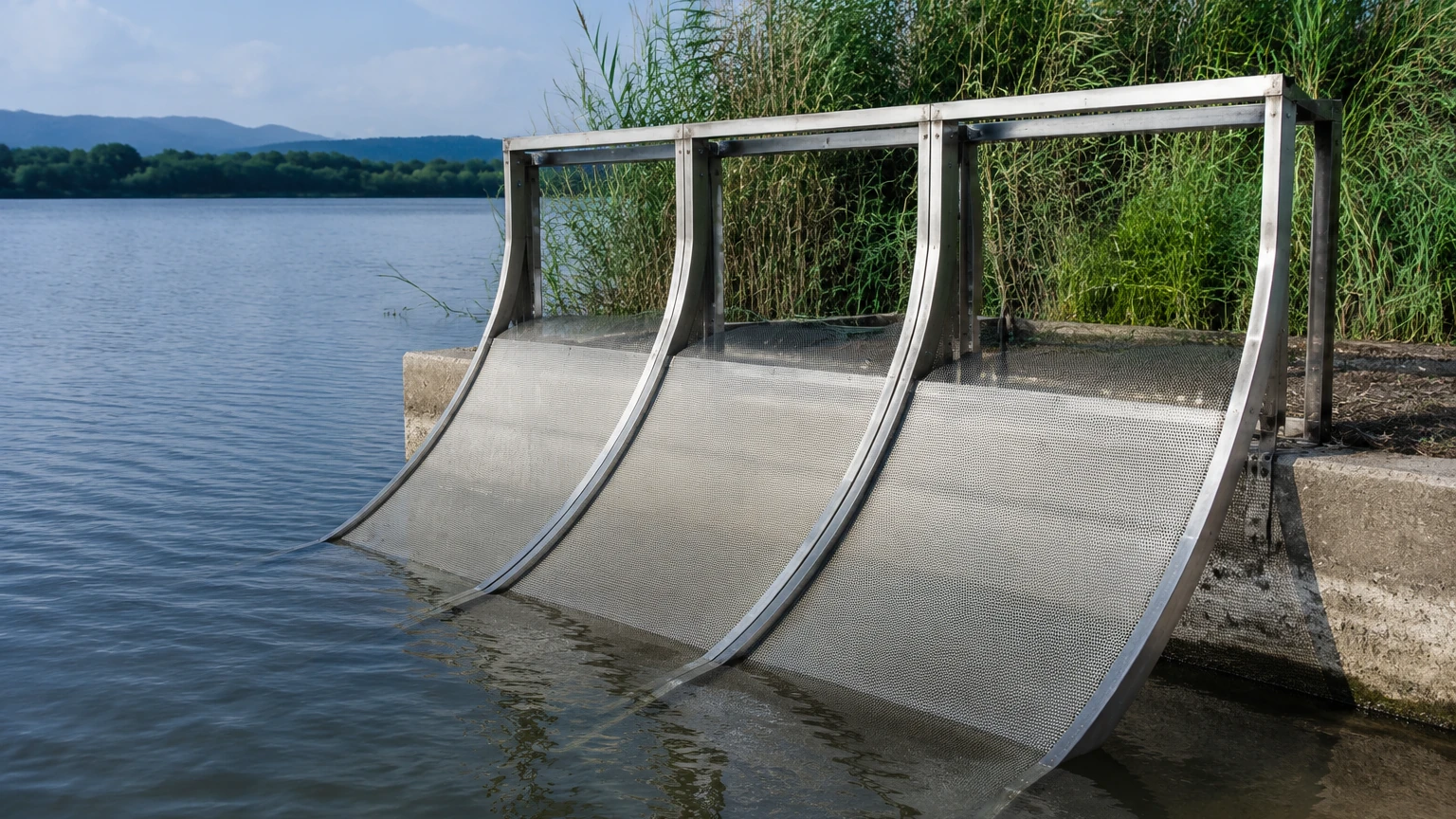
In industrial raw water intake systems, the lake screen filter serves as the primary line of defense against debris, aquatic life, and suspended solids. For facilities relying on lake water for cooling, processing, or municipal supply, the integrity of the intake screen directly impacts the efficiency of downstream pumps, heat exchangers, and fine filtration stages. Engineering a robust filtration solution for these environments requires a deep understanding of fluid dynamics, material science, and the specific biological challenges present in open-water sources.
As a specialized manufacturer of stainless steel filtration components, Kaifil provides high-performance intake solutions designed to withstand the rigors of continuous immersion and high-volume flow. Selecting the correct lake screen filter involves balancing filtration accuracy with hydraulic performance to ensure consistent water delivery without excessive maintenance or environmental impact.
The Role of Lake Screen Filters in Industrial Water Intake
Industrial water intake systems are often the most vulnerable part of a facility's infrastructure. Whether the application is for a power plant’s cooling loop or a food processing facility’s raw water supply, the lake screen filter must perform several critical functions simultaneously.
First, it must protect pumps from mechanical damage. Large debris, such as sticks, stones, and plastic waste, can cause catastrophic failure if they enter high-speed pump impellers. Second, the filter must prevent macro-fouling of downstream equipment. Small organisms, shells, and fibrous plant matter can bypass coarse trash racks but are effectively captured by precision-engineered screen filters.
Finally, modern engineering standards often require lake screen filters to comply with environmental regulations regarding fish protection. By maintaining low approach velocities—the speed at which water moves toward the screen—engineers can ensure that aquatic life is not impinged upon or entrained into the system. This requires a calculated balance between the total surface area of the screen and the required flow rate.
Engineering Considerations: Material Selection and Durability
The choice of material is perhaps the most critical factor in the longevity of a lake screen filter. Given the constant exposure to water, dissolved oxygen, and potentially corrosive minerals or chemicals, stainless steel is the industry standard for these applications.
Stainless Steel 304 vs. 316
For most freshwater lake applications, Stainless Steel 304 offers excellent structural integrity and sufficient corrosion resistance. However, in lakes with higher chloride levels, brackish water conditions, or industrial runoff, Stainless Steel 316 is preferred. The addition of molybdenum in SS316 provides superior resistance to pitting and crevice corrosion, which is essential for components that remain submerged for years.
At Kaifil, we focus on high-grade alloys to ensure that every filtration component maintains its structural shape under hydraulic pressure. Beyond the alloy type, the physical construction of the mesh—whether it is woven wire mesh or wedge wire—determines the filter's resistance to mechanical stress and its ease of cleaning.
Filtration Accuracy and Hydraulic Performance
When specifying a lake screen filter, engineers must navigate the trade-off between filtration fineness and pressure drop. A finer mesh captures more particles but also creates higher resistance to flow, leading to increased energy consumption by pumps and a higher frequency of cleaning cycles.
Open Area Ratio
The "Open Area Ratio" is a key metric in filter design. It represents the percentage of the total screen surface that is actually open for water passage. A higher open area reduces the pressure drop across the filter and allows for a more compact design for a given flow rate. However, increasing the open area often involves using thinner wires, which may compromise the structural durability of the screen. Precision manufacturing allows for the optimization of wire diameter and aperture size to reach the "sweet spot" of performance.
Approach Velocity
To prevent the suction of debris into the mesh and to protect local ecosystems, the approach velocity is typically kept below 0.5 feet per second (0.15 meters per second). Achieving this low velocity while maintaining high throughput requires a large total surface area. This is why many industrial lake screen filters utilize cylindrical or T-shaped designs, which maximize the available filtration surface within a manageable footprint.
Types of Lake Screen Filter Designs
Different industrial environments require different filter geometries. The selection often depends on the depth of the intake, the current of the water body, and the expected debris load.
1. Passive Intake Screens: These are stationary cylindrical screens often made of wedge wire. They have no moving parts and rely on the natural current of the lake to carry away some debris. They are highly reliable for remote locations where power for automated cleaning is unavailable.
2. Self-Cleaning Intake Screens: For lakes with high concentrations of algae, silt, or organic matter, a self-cleaning mechanism is necessary. These systems often use internal spray bars or backwash cycles to clear the screen surface without interrupting the flow of water to the facility.
3. Basket-Style Filters: Often used in shallow water or man-made reservoirs, these are easily removable for manual cleaning. They are ideal for applications where the debris load is seasonal and predictable.
4. Custom Precision Components: In many OEM applications, a standard filter will not fit the existing infrastructure. Custom-fabricated stainless steel cartridges and mesh assemblies allow engineers to retrofit old intake systems with modern, high-efficiency filtration media.
Addressing Biofouling and Maintenance Cycles
One of the most persistent challenges for any lake screen filter is biofouling. Algae, zebra mussels, and biofilm can quickly coat a screen, reducing the open area and causing a spike in differential pressure.
To combat this, engineering teams must consider several strategies:
* Smooth Surface Finishes: Electropolished stainless steel surfaces are smoother at a microscopic level, making it harder for organisms to adhere to the metal.
* Wedge Wire Geometry: The V-shaped profile of wedge wire creates a "point contact" for particles, which reduces the likelihood of blinding and makes backwashing more effective compared to standard woven mesh.
* Regular Inspection: Even the best-designed filters require periodic inspection. Durable stainless steel construction allows for high-pressure cleaning or chemical treatments to remove stubborn biological growth without damaging the filter media.
Total Cost of Ownership (TCO) in Filtration
When purchasing industrial filters, the initial acquisition cost is only one part of the equation. A low-cost filter made from inferior materials or with poor hydraulic design will eventually cost more in the form of energy losses, frequent replacements, and downtime.
By investing in a high-quality stainless steel lake screen filter, facilities can achieve a lower Total Cost of Ownership through:
* Reduced Pumping Costs: Lower pressure drops mean pumps operate more efficiently.
* Extended Component Life: High-grade stainless steel resists corrosion and mechanical wear, extending the interval between full system overhauls.
* Lower Maintenance Labor: Self-cleaning designs or optimized mesh geometries reduce the man-hours required for manual scrubbing and debris removal.
Why Customization Matters for Engineers
No two lakes are identical. The water chemistry, sediment type, and biological activity vary significantly from one geographic region to another. Consequently, a "one size fits all" approach to intake filtration often leads to sub-optimal performance.
Working with a manufacturer that offers custom OEM solutions allows engineers to specify the exact wire gauge, aperture size, and structural reinforcement needed for their specific site conditions. Whether it is a unique flange connection, a specific length-to-diameter ratio, or a multi-layered mesh for fine particulate capture, customization ensures the filter integrates seamlessly into the broader industrial process.
For technical professionals looking to optimize their water intake systems, reviewing the Main Page of a dedicated filtration manufacturer provides insight into the various configurations and material options available. Understanding the nuances of stainless steel grades and filtration structures is the first step toward building a reliable, low-maintenance intake system.
Conclusion: Selecting the Right Partner for Filtration
The lake screen filter is a small but vital component of the industrial water cycle. Its failure can lead to expensive downstream repairs and significant operational delays. By focusing on technical specifications—such as material grade, open area ratio, and approach velocity—engineers can select a solution that provides consistent performance over a multi-decade lifespan.
Kaifil remains committed to delivering precision-engineered stainless steel filtration components that meet the demanding requirements of global industries. From chemical processing to municipal water treatment, our expertise in custom wire mesh and filter cartridges ensures that your intake system is protected by the highest quality materials available. When reliability is non-negotiable, choosing a partner with deep manufacturing experience and a focus on industrial durability is the most effective strategy for long-term success.
