


Magnetic Oil Filters
In industrial environments, the presence of metallic particulate matter in lubrication and hydraulic systems is a primary cause of component wear and system failure. While traditional mechanical filtration methods, such as those utilizing stainless steel wire mesh or pleated paper, are effective at capturing particles based on size, they often struggle with sub-micron ferrous debris. Magnetic oil filters serve as a critical supplementary technology, utilizing high-intensity magnetic fields to trap fine iron and steel particles that might otherwise pass through standard filter media. For engineers and maintenance professionals, understanding the technical nuances of magnetic filtration is essential for optimizing system longevity and reducing the total cost of ownership.
The Engineering Principles of Magnetic Filtration
Magnetic oil filters operate on the principle of magnetic attraction to remove ferromagnetic contaminants from a fluid stream. Unlike mechanical filters, which rely on a physical barrier to block particles, magnetic filters create a magnetic field that exerts a force on any passing ferrous material. This is particularly effective for capturing "wear debris"—microscopic shards of iron or steel shed by gears, bearings, and pistons during operation.
Most industrial magnetic filters utilize high-strength permanent magnets, typically rare-earth varieties like Neodymium (NdFeB) or Samarium Cobalt (SmCo). These magnets are often arranged in a "magnetic rod" or "magnetic core" configuration. As the oil flows around these elements, the magnetic flux lines attract and hold the particles onto the surface of the magnet or its protective sleeve.
One of the primary advantages of this method is that it does not significantly restrict fluid flow. Unlike a traditional filter that becomes more restrictive as it clogs, a magnetic filter maintains a consistent pressure drop until the magnetic surface is completely saturated with debris. This makes them an ideal choice for high-viscosity fluids or systems where maintaining a specific flow rate is critical.
Key Components and Material Selection
When specifying magnetic oil filters for industrial applications, the choice of materials determines the filter's effectiveness and durability.
Magnetic Media
* Neodymium (NdFeB): Known for providing the highest magnetic flux density (measured in Gauss). These are the standard for high-performance filtration but have temperature limitations, typically losing effectiveness above 80°C to 150°C depending on the grade.
* Samarium Cobalt (SmCo): These magnets offer high magnetic strength and are much more stable at elevated temperatures, making them suitable for high-heat hydraulic systems or heavy-duty engine oils.
* Ceramic (Ferrite): Lower in cost and magnetic strength, these are generally reserved for less demanding applications where only large ferrous chunks need to be captured.
Housing and Sleeving
To protect the magnets from the corrosive effects of the fluid and to facilitate easier cleaning, the magnetic elements are usually encased in a non-magnetic stainless steel sleeve, such as 304 or 316L stainless steel. This ensures that the magnetic field can pass through the sleeve to attract particles while providing a smooth, durable surface for maintenance. For more information on specialized material options, engineers can Review product options and application support to ensure compatibility with specific industrial fluids.
Integrating Magnetic Filters into Industrial Systems
Magnetic filtration is rarely used as a standalone solution. Instead, it is integrated into a multi-stage filtration strategy. There are several common configurations used in B2B industrial settings:
1. Inline Magnetic Separators: These are dedicated housings containing several magnetic rods arranged in a grid. They are installed in the main flow line or a bypass loop to continuously scrub the oil of ferrous debris.
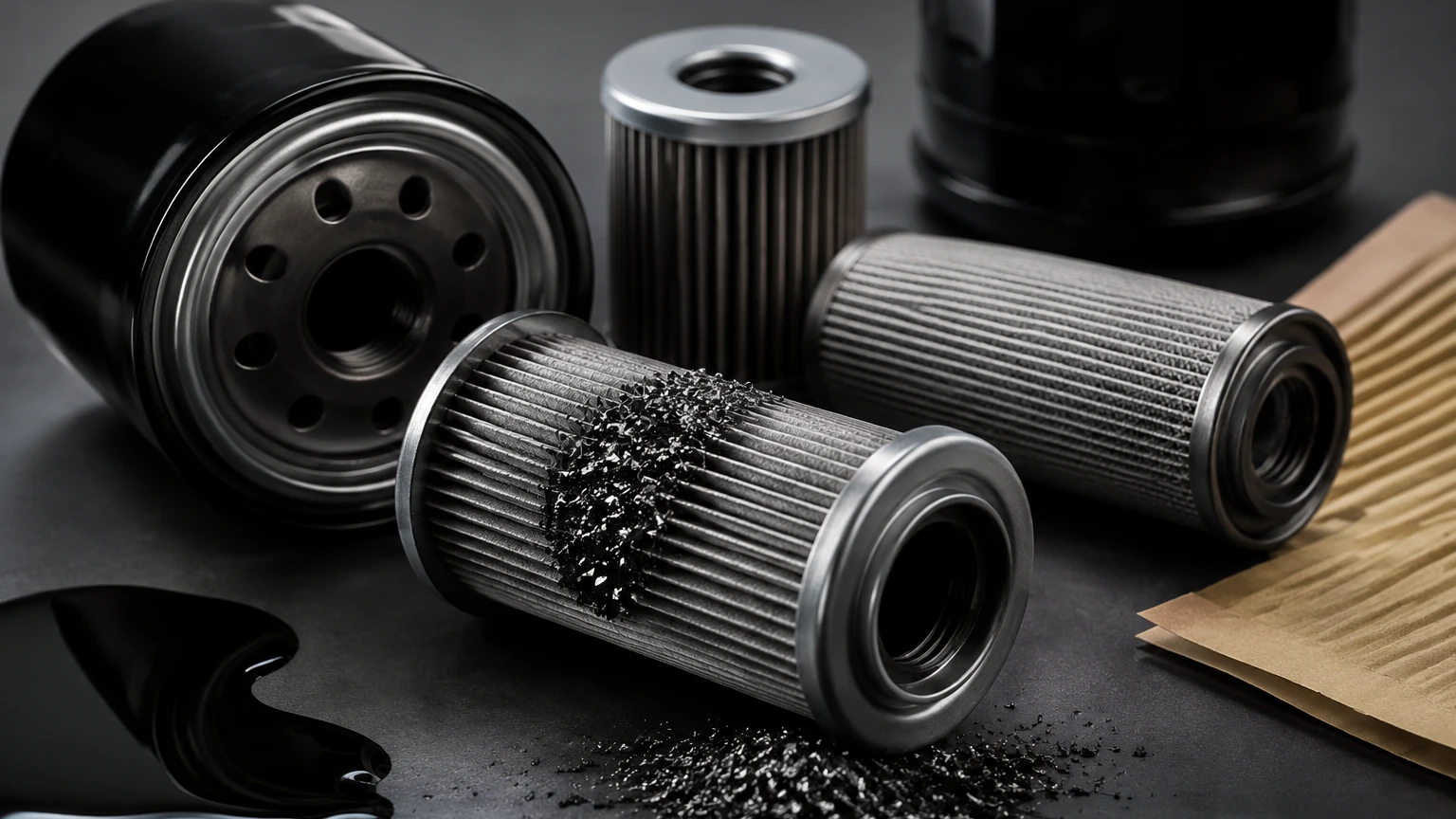
2. Magnetic Filter Cartridges: Some manufacturers integrate magnetic cores directly into the center of a stainless steel wire mesh filter cartridge. This dual-action approach captures non-ferrous contaminants (like brass, aluminum, or silica) via the mesh and ferrous particles via the magnet.
3. Magnetic Plugs: Often used in gearboxes and reservoirs, these are simple threaded plugs with a magnetic tip. While effective for monitoring wear, they have limited surface area compared to dedicated filter units.
4. Magnetic Wraps: External magnets applied to the outside of a standard spin-on filter canister. While easy to install, their effectiveness is limited by the thickness of the canister wall and the distance of the fluid from the magnetic source.
Performance Evaluation and Selection Criteria
Selecting the right magnetic oil filter requires a technical assessment of the operating environment. Engineers should confirm several key parameters before procurement:
Gauss Rating and Flux Density
The "strength" of a magnetic filter is often cited in Gauss. For industrial oil filtration, a surface Gauss rating of 6,000 to 12,000 is typically required to capture fine particles in a moving fluid stream. However, the effective range of the magnetic field (the distance from the rod where it can still pull a particle) is just as important as the surface strength.
Flow Velocity and Viscosity
Magnetic attraction is a race against fluid velocity. If the oil is moving too fast, the kinetic energy of the particles may overcome the magnetic pull. Similarly, high-viscosity oils (like ISO VG 320 or 460 gear oils) create more drag, requiring stronger magnets or slower flow rates to achieve high capture efficiency.
Temperature Stability
As mentioned, magnets can lose their magnetism if they exceed their maximum operating temperature. In high-temperature industrial processes, such as plastic injection molding or steel milling, specifying a high-temperature-rated magnetic assembly is non-negotiable.
Maintenance Protocols and Total Cost of Ownership
One of the most compelling arguments for magnetic oil filters is their impact on the total cost of ownership (TCO). While the initial investment in a high-quality magnetic separator may be higher than a disposable filter, the long-term savings are substantial.
Extending Primary Filter Life
By removing the bulk of ferrous debris, magnetic filters prevent the premature "blinding" of expensive mechanical filter elements. In many cases, the use of a magnetic pre-filter can extend the life of a secondary stainless steel mesh filter by 2x to 3x, reducing both replacement costs and system downtime.
Cleaning and Reusability
Unlike disposable media, magnetic elements are permanent. Maintenance involves removing the magnetic rod from the housing and wiping away the accumulated "sludge." Many industrial designs feature a "scraper" or a removable sleeve that allows the debris to fall off once the magnetic core is withdrawn, making the cleaning process fast and safe for operators.
Monitoring Component Health
The debris captured by a magnetic filter provides a visual diagnostic of the system's health. A sudden increase in the volume of captured iron particles can serve as an early warning sign of bearing failure or gear misalignment, allowing for predictive maintenance before a catastrophic breakdown occurs.
Common Risks and Engineering Limitations
Despite their advantages, magnetic oil filters have specific limitations that must be managed:
* Non-Ferrous Contaminants: Magnetic filters will not capture aluminum, copper, brass, or plastic particles. Therefore, they must always be paired with a mechanical filter (such as a wire mesh or pleated element) to ensure full-spectrum protection.
* Saturation: Once the surface of the magnet is covered in a layer of debris, its ability to attract further particles diminishes. Regular inspection intervals are necessary to ensure the filter remains effective.
* Fluid Compatibility: The housing and seals of the magnetic assembly must be compatible with the specific oil or hydraulic fluid being used. For instance, certain synthetic esters or high-water-base fluids may require specific grades of stainless steel or Viton seals.
Conclusion
Magnetic oil filters represent a highly efficient, sustainable, and cost-effective method for managing ferrous contamination in industrial fluids. By leveraging the power of high-intensity magnetic fields, these systems capture the microscopic wear particles that traditional filters often miss, thereby protecting sensitive pumps, valves, and actuators. When integrated correctly into a comprehensive filtration strategy—combining magnetic power with the precision of stainless steel mesh—these filters significantly enhance system reliability and operational efficiency. For those seeking customized filtration components tailored to specific industrial requirements, visiting the Main Page provides access to technical expertise and manufacturing solutions designed for demanding environments.
