


Melt Blown Polypropylene Filter Market
In the landscape of industrial liquid and gas processing, the melt blown polypropylene filter market represents a significant segment of the global filtration industry. These filters, primarily utilized as depth filtration media, are valued for their versatility, chemical resistance, and cost-effectiveness. For engineers and procurement professionals, understanding the dynamics of this market is essential for optimizing filtration systems, ensuring product purity, and managing the total cost of ownership (TCO) in complex industrial environments.
As a professional manufacturer specializing in high-performance filtration, Kaifil provides technical insights into the broader filtration landscape. While our core expertise lies in custom stainless steel filtration solutions, the interplay between disposable media like polypropylene and permanent media like stainless steel is a critical consideration for any industrial facility. For more information on advanced filtration components, visit the Main Page of our technical resource center.
Market Dynamics and Global Demand for Depth Filtration
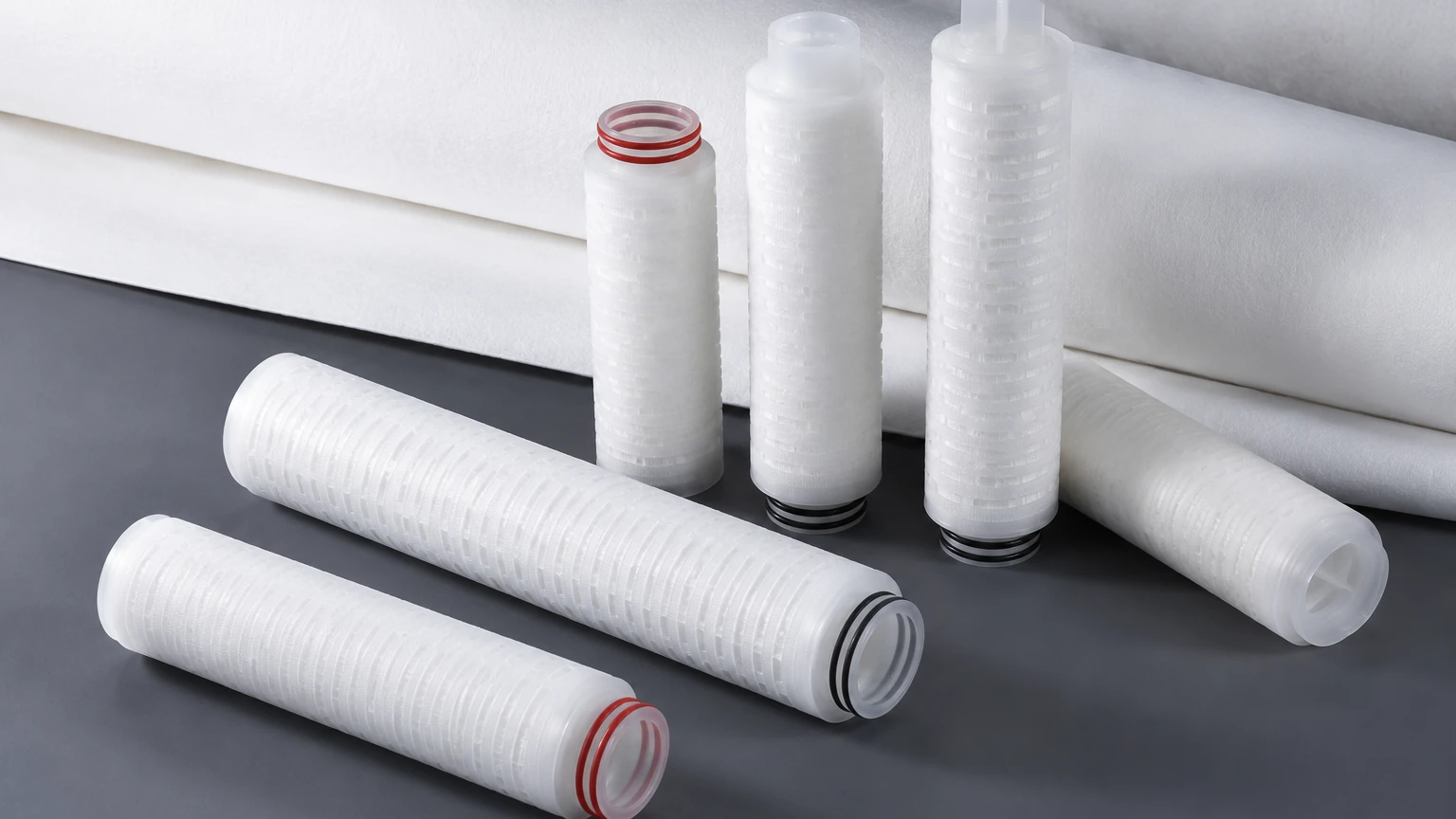
The melt blown polypropylene filter market has seen steady growth driven by the increasing requirements for high-purity fluids in the pharmaceutical, food and beverage, and microelectronics sectors. Melt blowing is a non-woven fabrication process that uses high-velocity air to attenuate extruded thermoplastic resins into micro-denier fibers. These fibers are then thermally bonded to form a porous, self-supporting structure without the need for chemical binders or surfactants.
Several factors contribute to the expansion of this market:
1. Water Treatment Requirements: The rising global demand for clean water, both for municipal use and industrial processing, necessitates efficient pre-filtration to protect expensive membranes (such as Reverse Osmosis) from silt, scale, and organic debris.
2. Chemical Processing Compatibility: Polypropylene is naturally resistant to a wide range of acids, bases, and organic solvents, making it a staple in chemical manufacturing.
3. Disposable vs. Cleanable Trends: While there is a push toward sustainable, cleanable solutions like stainless steel, the low initial capital expenditure of melt blown PP filters makes them the preferred choice for high-dirt-load applications where cleaning is not economically viable.
Technical Specifications of Melt Blown Polypropylene Media
To effectively navigate the melt blown polypropylene filter market, technical professionals must understand the engineering behind the media. Unlike surface filters (such as wire mesh), melt blown filters are "depth" filters. They capture particles throughout the entire thickness of the filter wall rather than just on the surface.
Graded Density Structure
One of the primary advantages of modern melt blown technology is the ability to create a graded density structure. This means the outer layers of the filter have larger pores to capture coarse particles, while the inner layers have progressively smaller pores to trap finer contaminants. This design prevents premature surface blinding and significantly extends the service life of the cartridge.
Pore Size and Micron Ratings
Melt blown PP filters are typically available in micron ratings ranging from 0.5 microns to over 100 microns. It is important to distinguish between "nominal" and "absolute" ratings. Most melt blown filters in the general industrial market are nominally rated, meaning they will capture a high percentage of particles at the specified size, but not 100%. For critical applications requiring absolute retention, engineers often transition to pleated media or precision-engineered metal filters.
Application-Specific Performance in Industrial Sectors
The melt blown polypropylene filter market serves a diverse array of industries, each with unique performance expectations and regulatory requirements.
Food and Beverage Industry
In this sector, filters must be constructed from FDA-compliant materials. Melt blown PP is widely used for the filtration of bottled water, juices, and beer pre-filtration. Because the fibers are thermally bonded, there is no risk of chemical leaching from binders, which is essential for maintaining the organoleptic properties of the product.
Pharmaceutical and Bio-processing
Here, the focus is on high-purity and low extractables. Melt blown filters serve as effective pre-filters for expensive sterilizing-grade membranes. They protect the final filters from high bio-burden or particulate loads, thereby reducing overall filtration costs.
Oil and Gas / Petrochemical
In the oil and gas industry, these filters are used in the filtration of completion fluids, amine desulfurization, and produced water. The chemical resilience of polypropylene allows it to withstand the aggressive fluids often encountered in midstream and downstream operations.
Evaluating Melt Blown PP vs. Stainless Steel Filter Cartridges
When analyzing the melt blown polypropylene filter market, it is vital to compare these disposable options with permanent stainless steel alternatives. The choice between the two often depends on the operating environment and the specific filtration goals.
| Feature | Melt Blown Polypropylene | Stainless Steel (Kaifil) |
| :— | :— | :— |
| Temperature Limit | Generally up to 60-80°C | Up to 500°C+ (depending on alloy) |
| Pressure Resistance | Moderate; susceptible to bypass | High; handles high differential pressures |
| Cleanability | Disposable (Single use) | Cleanable and reusable (Backwashable) |
| Chemical Resistance | Broad, but limited by polymers | Excellent (304, 316L, Hastelloy) |
| Initial Cost | Low | High |
| Sustainability | Generates waste stream | Long-term sustainable solution |
For applications involving high temperatures, high-viscosity fluids, or aggressive steam cleaning, stainless steel is the superior choice. However, for low-pressure, ambient-temperature water filtration, the melt blown polypropylene filter market provides the most cost-effective solution. Engineers often use a hybrid approach: melt blown PP for coarse pre-filtration and custom stainless steel components for critical process stages where failure is not an option.
Critical Selection Criteria for Engineering and Procurement
Before purchasing from the melt blown polypropylene filter market, engineers should confirm several technical parameters to ensure the filter will perform as expected in the field.
1. Differential Pressure (ΔP): What is the clean pressure drop, and at what ΔP should the filter be replaced? Most PP filters are replaced when the differential pressure reaches 2 bar (30 psi).
2. Chemical Compatibility: While PP is robust, it can swell or degrade in the presence of certain hydrocarbons or oxidizing agents. Always consult a compatibility chart for the specific temperature of the process.
3. Flow Rate vs. Efficiency: Higher flow rates can sometimes force particles through the depth media (a phenomenon known as unloading). It is essential to size the filter housing correctly to maintain an optimal face velocity.
4. End-Cap Configurations: Ensure the filter core and end-caps (DOE, Code 7, 222, 226) are compatible with existing housings to prevent bypass. Bypass is the most common cause of filtration system failure.
Quality Assurance and Regulatory Compliance in Filtration
Quality in the melt blown polypropylene filter market is not universal. Differences in manufacturing precision can lead to variations in pore size distribution and structural integrity. For industrial-grade applications, procurement teams should look for manufacturers who adhere to ISO 9001 quality management systems.
Furthermore, compliance with specific industry standards is often mandatory:
* USP Class VI: For plastics used in medical and pharmaceutical applications.
* NSF/ANSI 42 or 61: For drinking water system components.
* EC 1935/2004: For materials intended to come into contact with food in the European market.
Ensuring that the melt blown media is free from surfactants, antistatic agents, and binders is critical for preventing downstream contamination. High-quality melt blown filters are produced in cleanroom environments to ensure that the filters themselves do not introduce particulates into the process stream.
Total Cost of Ownership (TCO) Considerations
While the unit price of a melt blown polypropylene filter is low, the TCO can be high if the replacement frequency is high. Engineers must account for:
* Labor costs associated with frequent filter changes.
* Production downtime during change-outs.
* Disposal costs for contaminated hazardous waste (if applicable).
In some high-volume processes, the data might suggest moving away from the melt blown polypropylene filter market toward automated, self-cleaning metal filtration systems. Kaifil assists engineering teams in evaluating these transitions, providing the technical data needed to justify the shift from disposable to permanent filtration infrastructure.
Conclusion: Strategic Sourcing and Technical Support
The melt blown polypropylene filter market remains a cornerstone of industrial fluid processing due to its adaptability and low entry cost. However, the effectiveness of these filters depends entirely on correct selection, application-specific engineering, and a clear understanding of their limitations compared to metal filtration media.
By evaluating the graded density, micron ratings, and chemical compatibility, technical professionals can ensure their systems operate at peak efficiency. For organizations looking to optimize their filtration processes or those requiring high-precision, custom-engineered metal solutions that go beyond the capabilities of standard polypropylene, Kaifil offers the expertise and manufacturing capacity to meet the most demanding industrial requirements. Explore our full range of capabilities and technical documentation by visiting our Main Page.
