


Oil Casing Pipe
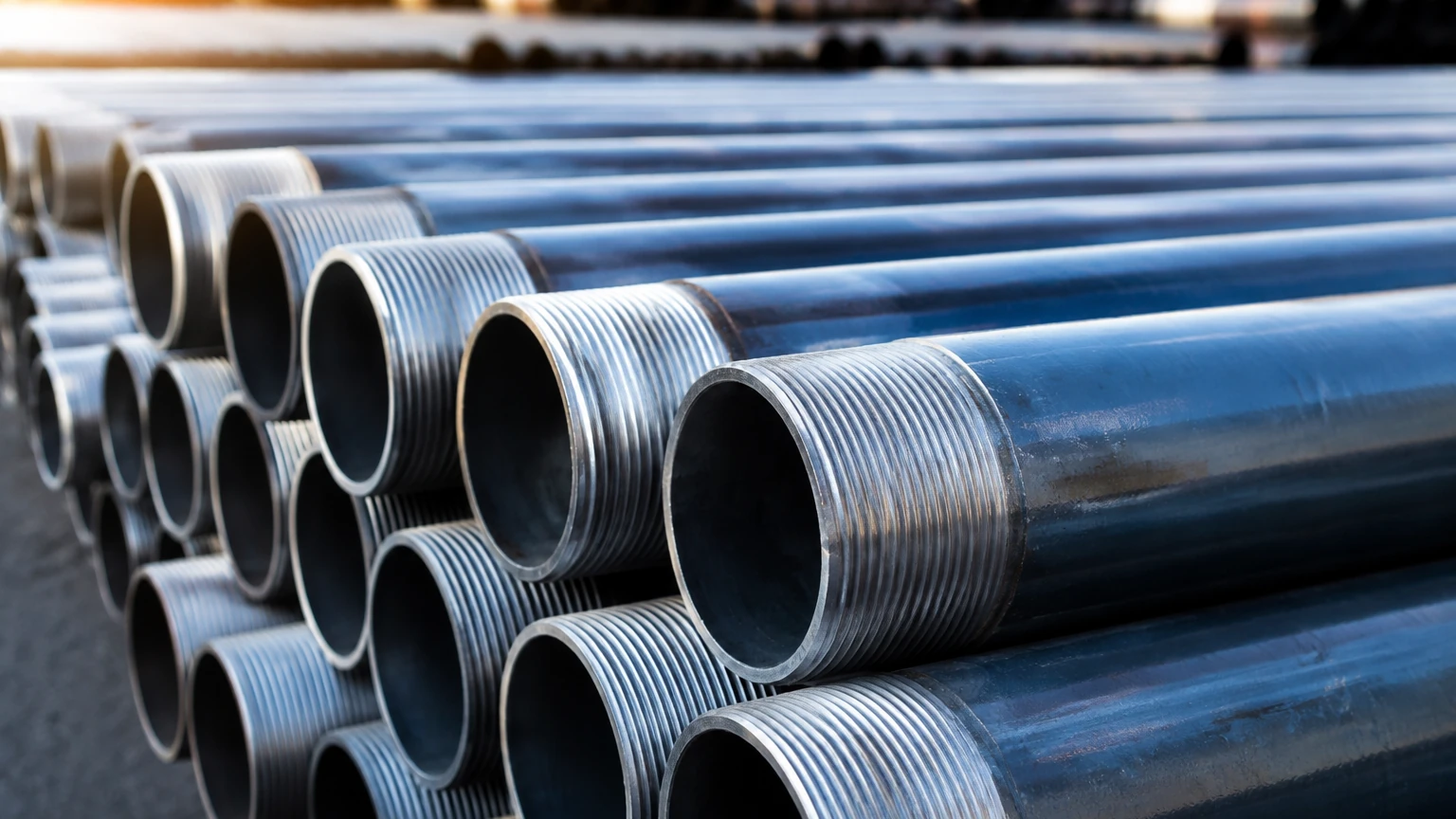
In the demanding environment of oil and gas extraction, the oil casing pipe serves as the primary structural component of a well. It is a large-diameter pipe inserted into a recently drilled borehole and cemented into place to protect the wellbore, prevent the collapse of the surrounding soil, and ensure that the extraction process remains efficient and environmentally safe. For engineers and procurement specialists, understanding the technical nuances of oil casing pipe—from material grades to the integration of specialized filtration components—is essential for maximizing the lifecycle of the well and minimizing costly interventions.
Oil casing pipes are not merely conduits; they are engineered barriers that must withstand extreme geological pressures, corrosive chemical environments, and mechanical stresses. As wells reach deeper and encounter more complex formations, the selection of the correct casing and its associated sand control or filtration systems becomes a critical factor in operational success.
Fundamental Role of Oil Casing Pipe in Well Integrity
The primary function of an oil casing pipe is to provide structural stability to the wellbore. During the drilling process, the borehole is exposed to various geological pressures. Without the support of a casing string, the walls of the well could collapse, leading to a total loss of the well.
Beyond structural support, casing pipes serve several other critical roles:
1. Zonal Isolation: Casing prevents the cross-flow of fluids between different geological layers. This is vital for protecting freshwater aquifers from contamination by hydrocarbons or brine.
2. Pressure Control: The casing provides a high-pressure environment that allows for the safe installation of blowout preventers (BOPs) and other wellhead equipment.
3. Production Conduit: In many configurations, the casing provides a smooth bore through which production tubing is run, facilitating the efficient flow of oil and gas to the surface.
4. Support for Completion Equipment: The casing string supports various downhole tools, including packers and sand control screens, which are essential for maintaining the purity of the extracted media.
Technical Specifications: API 5CT Grades and Material Selection
The American Petroleum Institute (API) establishes the standard specifications for oil casing pipes under the API 5CT designation. These standards ensure that pipes manufactured globally meet the rigorous demands of the oilfield. Selecting the appropriate grade involves evaluating the depth of the well, the expected pressure, and the presence of corrosive elements like hydrogen sulfide (H2S) or carbon dioxide (CO2).
Common API Grades
* J55/K55: These are general-purpose grades often used in shallow wells with lower pressure requirements. They offer good weldability and are cost-effective for standard applications.
* N80 (N80-1 and N80-Q): A higher-strength grade suitable for medium-depth wells. N80-Q is quenched and tempered to provide better mechanical properties.
* L80: This grade is specifically designed for "sour service" environments where H2S is present. It has a controlled yield strength to resist sulfide stress cracking (SSC).
* P110: A high-strength grade used in deep wells and high-pressure environments. It requires careful handling due to its higher sensitivity to environmental cracking.
* C90 and T95: Specialized grades for sour service that offer higher strength than L80 while maintaining resistance to H2S-induced corrosion.
When evaluating these materials, engineers must look beyond initial tensile strength. Ductility, toughness, and the material's reaction to thermal cycling are equally important, especially in enhanced oil recovery (EOR) operations where steam injection may be used.
Integrating Filtration Solutions for Sand Control
One of the most significant challenges in well completion is the management of formation sand. If sand is allowed to enter the oil casing pipe, it can erode downstream equipment, clog production tubing, and lead to the eventual failure of the well. This is where the integration of precision filtration components becomes vital.
In many modern completions, the oil casing pipe is equipped with specialized sand control screens. These screens often utilize high-precision stainless steel wire mesh or wedge wire structures to filter out particulates while allowing the hydrocarbons to flow freely. For those seeking advanced filtration components to integrate into their well designs, reviewing the technical capabilities on the Main Page of professional manufacturers can provide insights into customized filtration solutions.
Stainless steel filtration media are preferred in these applications due to their exceptional corrosion resistance and mechanical durability. Unlike synthetic filters, stainless steel components can withstand the high temperatures and abrasive forces found thousands of feet below the surface. Customization options, such as multi-layer sintered mesh or precision-perforated metal, allow engineers to tailor the filtration accuracy to the specific grain size of the formation sand.
Mechanical Performance: Collapse, Burst, and Tension
The design of a casing string is a complex engineering task that requires calculating the forces the pipe will encounter throughout its life. There are three primary mechanical stresses that define the limits of an oil casing pipe:
1. Collapse Pressure
This is the external pressure exerted by the surrounding rock and fluids. If the external pressure exceeds the pipe's collapse strength, the casing will deform inward. This is particularly critical in deep wells or in formations with high plastic flow, such as salt domes.
2. Burst Pressure
Burst pressure refers to the internal pressure exerted by the well fluids. This occurs during well control operations or high-pressure stimulation (fracking). The casing must have a sufficient safety factor to ensure it does not rupture under these peak loads.
3. Tensile Strength
The casing string must support its own weight as it is lowered into the well. In deep wells, the weight of miles of steel pipe can be immense. The connections (threads) between pipe segments are often the weakest point in tension, making the choice of connection type (e.g., BTC, LTC, or premium gas-tight connections) as important as the pipe grade itself.
Customization and OEM Manufacturing for Downhole Components
While standard API pipes are the backbone of the industry, many specialized applications require custom-engineered components. This is particularly true for filtration assemblies, specialized liners, and precision-machined components that interface with the oil casing pipe.
OEM manufacturers like Kaifil specialize in providing these precision metal components. By utilizing advanced manufacturing techniques such as CNC machining, laser cutting, and specialized welding, manufacturers can produce filtration elements that fit perfectly within the casing assembly. Customization allows for:
* Variable Micron Ratings: Tailoring the filtration mesh to the specific geological data of the well site.
* Enhanced Material Selection: Using high-alloy stainless steels (like 316L or Duplex) for extreme corrosive environments.
* Integrated Designs: Creating combined casing and screen assemblies that simplify the installation process and reduce the number of potential failure points.
For engineering teams, partnering with a manufacturer that understands the rigors of industrial filtration ensures that the components will perform as expected under pressure. Technical expertise in material science and fluid dynamics is essential for developing solutions that balance flow rates with filtration efficiency.
Operational Longevity and Maintenance Considerations
The total cost of ownership for an oil casing pipe is not just the purchase price, but the cost of maintenance and the risk of well failure. Corrosion is the primary enemy of longevity. Even with the correct API grade, chemical treatments and cathodic protection may be necessary to prevent pitting and stress corrosion cracking.
Furthermore, the filtration components integrated into the casing string must be designed for long-term reliability. Unlike surface filters, downhole filters cannot be easily replaced. If a sand screen fails, it often requires a "workover," which is an expensive and time-consuming process. Therefore, investing in high-quality stainless steel filter cartridges and wire mesh components during the initial completion phase is a strategy that pays dividends in reduced downtime and extended well life.
Key Considerations Before Procurement
Before finalizing a specification for oil casing pipe and its associated filtration components, engineers should confirm the following:
* Chemical Compatibility: Does the steel grade and the filtration media resist the specific corrosive agents present in the well (H2S, CO2, chlorides)?
* Flow Requirements: Will the filtration accuracy restrict the flow of hydrocarbons to a point where production efficiency is compromised?
* Structural Safety Factors: Does the chosen pipe wall thickness and grade provide an adequate safety margin for collapse and burst pressures?
* Installation Environment: Are the connections suitable for the torque and tension required during the run-in-hole process?
Conclusion
The oil casing pipe is a fundamental element of modern energy extraction, providing the necessary structure and protection for successful well operations. By understanding the interplay between API material grades, mechanical stress limits, and the critical role of integrated filtration, professionals can design more resilient and productive wells. As the industry moves toward more challenging environments, the reliance on high-performance materials and customized engineering solutions will only continue to grow. For those involved in the technical selection of these components, focusing on quality and precision manufacturing is the most effective way to ensure long-term operational success.
