


Oil Filter Press
In industrial liquid-solid separation, the oil filter press remains a cornerstone technology for achieving high-purity yields and efficient byproduct recovery. Whether utilized in the processing of edible oils, the purification of industrial lubricants, or the management of chemical slurries, the performance of these systems is heavily dependent on the engineering of the filtration media and the structural integrity of the press components. For technical professionals and procurement teams, understanding the mechanical nuances and material requirements of an oil filter press is essential for optimizing production uptime and ensuring product quality.
As a manufacturer specializing in precision filtration, Kaifil provides the technical components that drive these systems. For a comprehensive overview of available filtration solutions, engineers can visit our Main Page to review specific product capabilities and material specifications.
Technical Principles of the Oil Filter Press
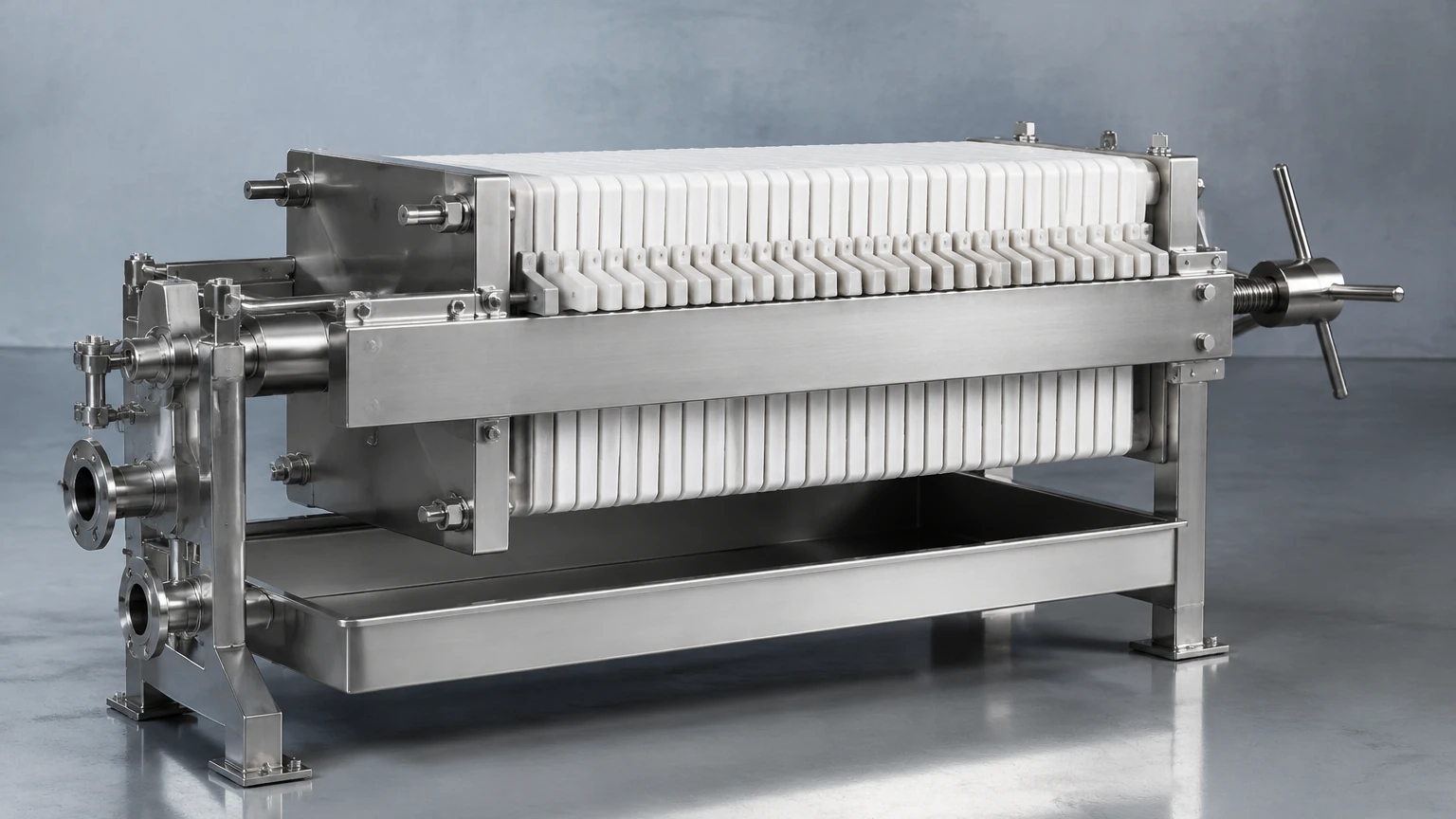
The fundamental operation of an oil filter press relies on pressure-driven filtration. The system typically consists of a series of filter plates and frames (or recessed plates) draped with filter media. As the crude or contaminated oil is pumped into the chambers under high pressure, the liquid phase (filtrate) passes through the media while the solid particles are trapped, eventually forming a "filter cake."
Pressure and Flow Dynamics
In an industrial environment, the efficiency of an oil filter press is governed by the relationship between feed pressure and the resistance of the filter cake. As the cake thickness increases, the pressure required to maintain a constant flow rate also rises. Engineers must balance the feed pump's capacity with the structural limits of the filter plates and the permeability of the filter media. High-pressure operation is often necessary to achieve maximum oil recovery from the cake, reducing the residual oil content to economically viable levels.
Chamber Configuration
Modern presses utilize various configurations, including recessed plate, plate and frame, and membrane squeeze designs. Membrane filter presses are particularly effective in oil applications because they allow for secondary mechanical compression of the cake. By inflating a flexible membrane after the initial filtration cycle, additional oil is forced out of the solids, significantly increasing the total yield and shortening the overall cycle time.
The Role of Stainless Steel Filtration Media
While traditional cloth media are common, many demanding industrial oil applications require the durability and precision of stainless steel. In high-temperature or chemically aggressive environments, synthetic fibers may degrade, leading to frequent downtime and potential filtrate contamination.
Advantages of Metal Mesh
Stainless steel wire mesh filters offer several technical advantages for oil filter press applications:
1. Thermal Stability: Industrial oil processing often occurs at elevated temperatures to reduce viscosity and improve flow. Stainless steel maintains its structural integrity at temperatures where polymers would soften or fail.
2. Chemical Resistance: For oils containing acidic or alkaline additives, or for chemical processing applications, 316L stainless steel provides superior corrosion resistance compared to standard materials.
3. Precise Micron Ratings: Metallic media can be manufactured with extremely tight tolerances. This ensures consistent filtration accuracy, which is critical when removing fine particulates from high-grade lubricants or refined edible oils.
Sintered vs. Woven Mesh
For heavy-duty applications, sintered multi-layer wire mesh is often preferred. This material bonds multiple layers of stainless steel mesh through a heat-treatment process, creating a robust, porous structure that can withstand high differential pressures without deformation. This is particularly useful in an oil filter press where the mechanical stress on the media is substantial during the cake discharge and cleaning phases.
Selection Criteria for Industrial Applications
Selecting the correct oil filter press and associated media requires a detailed analysis of the specific process variables. Engineers should evaluate the following criteria to ensure system compatibility and performance.
Filtration Accuracy and Micron Rating
The target purity of the oil dictates the micron rating of the filter media. In hydraulic oil reclamation, for example, removing particles down to 5 or 10 microns is necessary to prevent component wear. In contrast, crude vegetable oil filtration might focus on removing larger organic solids (gums and meal) before further refining. Over-specifying the filtration fineness can lead to premature blinding and reduced flow rates, while under-specifying results in poor product quality.
Viscosity and Temperature
Oil viscosity varies significantly with temperature. A high-viscosity oil requires more pressure to move through the filter media, which can increase the mechanical load on the press. Determining the optimal operating temperature is a critical engineering step to ensure the oil filter press operates within its designed efficiency curve without compromising the chemical stability of the oil.
Solids Loading and Cake Characteristics
The concentration of solids in the feed oil determines how quickly the filter chambers will fill. If the solids are compressible, they may form a dense, impermeable layer that halts filtration. In such cases, the use of filter aids (like diatomaceous earth) or specific metal mesh structures with high open areas may be required to maintain throughput.
Performance Expectations and Efficiency
The total cost of ownership for an oil filter press is not just the initial capital expenditure but also the operational efficiency over its lifespan. Key performance indicators (KPIs) include cycle time, cake dryness, and filtrate clarity.
Maximizing Throughput
Throughput is maximized by optimizing the filtration cycle. This involves precise control over the filling phase, the filtration phase, and the air-blow or membrane-squeeze phase. Automated control systems can monitor the pressure gradient and flow rate to determine the exact moment the press is full, preventing unnecessary energy consumption and reducing wear on the feed pumps.
Cake Discharge and Cleaning
One of the most labor-intensive aspects of operating an oil filter press is the discharge of the filter cake. High-quality stainless steel media often feature smooth surface characteristics that facilitate "cake release," allowing the solids to drop away cleanly when the plates are opened. This reduces the need for manual scraping and shortens the turnaround time between batches.
Maintenance and Replacement Cycles
To maintain reliable performance, a structured maintenance program is essential. For industrial filters, the primary concerns are mechanical wear, media blinding, and seal integrity.
Identifying Media Blinding
Blinding occurs when fine particles become lodged within the pores of the filter media, and standard cleaning cycles fail to remove them. In an oil filter press, this is often indicated by a rapid increase in differential pressure early in the filtration cycle. For stainless steel media, ultrasonic cleaning or specialized chemical baths can often restore the media to near-original permeability, extending the replacement cycle significantly compared to disposable cloth filters.
Structural Inspections
The plates and frames of the press are subject to immense hydraulic forces. Regular inspection for cracks, warping, or misalignment is necessary to prevent catastrophic failure or bypass leakage. Similarly, the hydraulic closing system must be checked for pressure stability to ensure the plate stack remains sealed during high-pressure injection.
Total Cost Considerations
While stainless steel filtration components have a higher upfront cost, their longevity and cleanability often result in a lower total cost of ownership. By reducing the frequency of media replacement and minimizing product loss due to leaks or poor filtration, these components provide a more stable and predictable production environment.
Customization and OEM Integration
Every industrial process has unique requirements that standard off-the-shelf equipment may not fully address. Customization is often necessary to integrate an oil filter press into an existing production line or to handle specialized fluids.
Tailored Material Selection
Depending on the acidity, temperature, and abrasive nature of the solids, different alloys may be required. Beyond standard 304 and 316L, specialized alloys can be used for the filter mesh and internal components to ensure long-term durability in harsh environments.
Engineering for Specific Flow Rates
Customizing the internal geometry of the filter plates and the structure of the filter cartridges allows for optimized flow distribution. This ensures that the entire surface area of the media is utilized effectively, preventing localized blinding and ensuring a uniform filter cake.
Kaifil works closely with engineering teams to develop these customized solutions, ensuring that the filtration components meet the exact demands of the application. For more information on how custom metal filtration can improve your process, please refer to our Main Page.
Conclusion
The oil filter press remains a vital tool for industrial separation, but its success depends on the precise alignment of mechanical design and material science. By selecting the appropriate filtration media—particularly durable stainless steel options—and adhering to rigorous engineering standards for pressure, temperature, and maintenance, facilities can achieve superior oil purity and operational efficiency. Understanding these technical boundaries allows engineers to make informed decisions that safeguard their equipment and optimize their production outcomes.
