


Oil Suction Filter
In industrial hydraulic systems and lubrication circuits, the oil suction filter serves as the primary line of defense for the hydraulic pump. Positioned on the intake side of the pump—either submerged within the oil reservoir or installed inline—this component is designed to capture coarse contaminants that could cause catastrophic mechanical failure. Unlike high-pressure filters or return-line filters, the suction filter operates under unique physical constraints, primarily the need to protect the pump without creating excessive vacuum pressure that leads to cavitation.
For engineers and procurement teams, selecting an oil suction filter requires a deep understanding of fluid dynamics, material compatibility, and the specific operational parameters of the machinery. Kaifil, as a specialist in stainless steel filtration solutions, provides the technical expertise necessary to navigate these requirements, ensuring that filtration components meet the rigorous demands of chemical processing, hydraulic power units, and heavy industrial equipment. For more detailed technical specifications and product catalogs, professionals can visit the Main Page of the manufacturer’s site.
The Role of Suction Filtration in Hydraulic Systems
The fundamental purpose of an oil suction filter is to prevent large particles—such as metal chips, weld slag, or assembly debris—from entering the pump. While downstream filters are often responsible for maintaining the overall cleanliness of the fluid (ISO 4406 standards), the suction filter is specifically a "pump protection" device.
In a typical hydraulic circuit, the pump is the most expensive and sensitive component. If a large particle enters the rotating groups of a piston pump or the gears of a gear pump, it can cause immediate scoring, seizing, or total destruction. By placing a stainless steel wire mesh filter at the suction inlet, operators ensure that only fluid free of damaging macro-particles reaches the pump’s internal mechanisms.
However, the suction side of a pump is sensitive to pressure changes. If the filter offers too much resistance, the pump must work harder to draw fluid, which can lower the pressure at the inlet below the vapor pressure of the oil. This phenomenon, known as cavitation, creates vapor bubbles that implode with extreme force, eroding metal surfaces and leading to premature pump failure. Therefore, the engineering of a suction filter is a delicate balance between filtration efficiency and flow resistance.
Engineering Considerations: Balancing Micron Rating and Pressure Drop
When specifying an oil suction filter, the micron rating is perhaps the most critical variable. In suction applications, engineers typically opt for coarser filtration compared to the pressure side. While a pressure filter might have a rating of 3 to 10 microns, a suction filter usually ranges from 60 to 150 microns (approximately 100 to 200 mesh).
The Relationship Between Viscosity and Flow
Oil viscosity changes significantly with temperature. During a cold start, hydraulic oil is much thicker, increasing the pressure drop across the filter. If the filter mesh is too fine, the high viscosity of cold oil may trigger a bypass valve or, worse, cause pump cavitation. Engineers must calculate the maximum allowable pressure drop (typically not exceeding 0.02 to 0.03 bar or 0.5 to 1.0 psi) at the lowest expected operating temperature.
Net Positive Suction Head (NPSH)
In complex industrial setups, the concept of Net Positive Suction Head (NPSH) is vital. The oil suction filter must be sized so that the pressure at the pump inlet remains above the required threshold specified by the pump manufacturer. This involves calculating the fluid velocity, the length of the suction pipe, and the resistance of the filter media. Using high-quality stainless steel wire mesh provides a predictable and consistent open area, which is essential for these calculations.
Material Integrity: The Advantages of Stainless Steel Wire Mesh
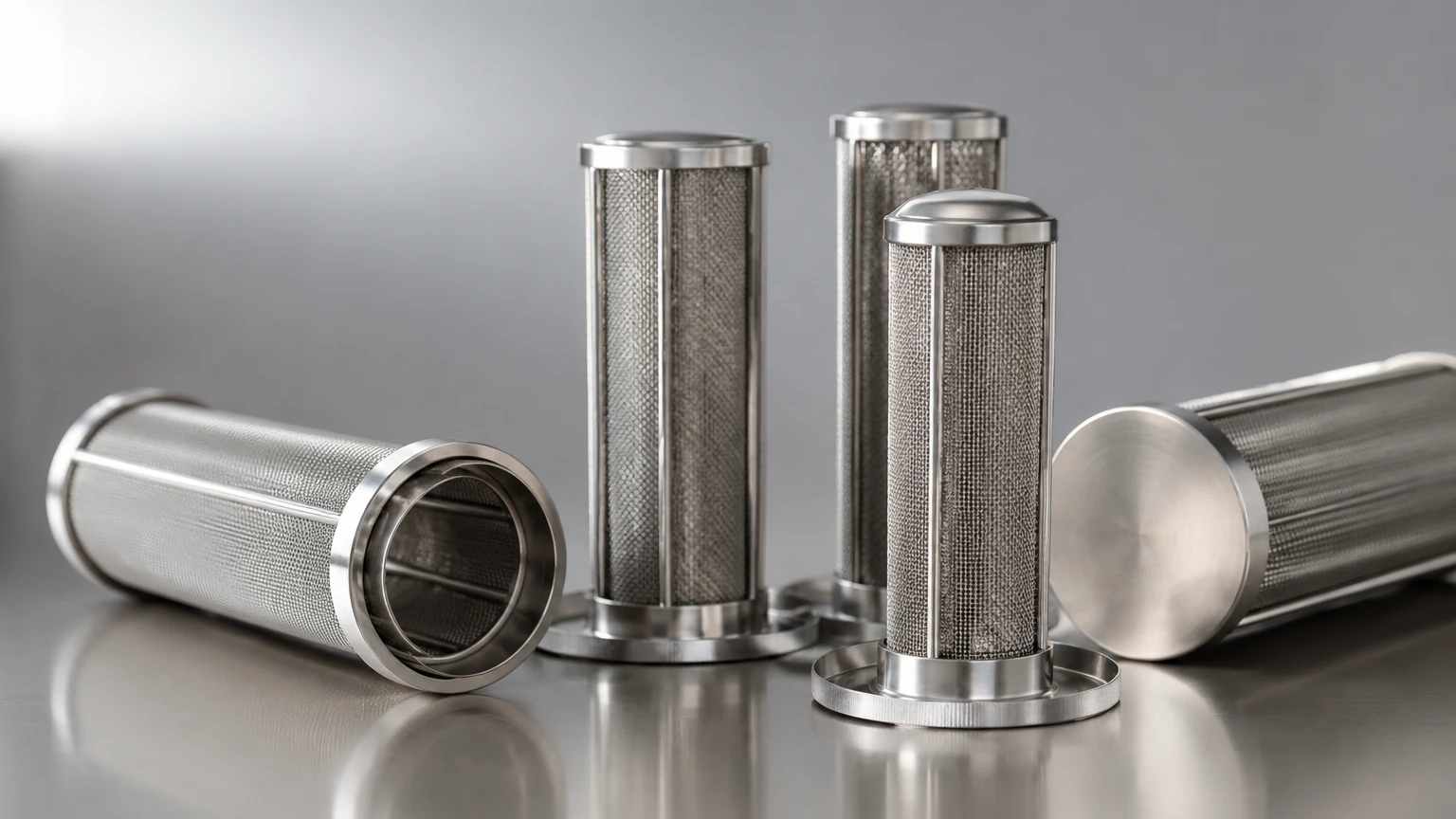
While some low-cost suction filters use paper or synthetic media, industrial applications—particularly those in chemical processing or high-temperature environments—rely on stainless steel wire mesh. Kaifil specializes in utilizing SUS 304 and SUS 316 materials for these components due to several engineering advantages:
1. Structural Rigidity: Unlike paper elements that can collapse or deform under high vacuum or pressure surges, stainless steel wire mesh maintains its shape. This prevents the media from migrating or the pleats from bunching, which would otherwise restrict flow.
2. Chemical and Thermal Resistance: In industries such as pharmaceutical or food and beverage, the oil or fluid being filtered may be chemically aggressive or subjected to high temperatures. Stainless steel is inert to most hydraulic fluids and maintains its mechanical properties across a wide temperature spectrum.
3. Cleanability and Reusability: One of the primary total cost of ownership (TCO) benefits of a stainless steel oil suction filter is that it can often be cleaned and returned to service. Using ultrasonic cleaning or chemical solvents, accumulated debris can be removed from the mesh, extending the lifecycle of the filter significantly compared to disposable alternatives.
4. Precision Manufacturing: Advanced weaving techniques allow for highly accurate pore sizes. This ensures that the filtration rating is absolute rather than nominal, providing engineers with confidence that no particle larger than the specified micron rating will pass through the mesh.
Identifying and Preventing Pump Cavitation
Cavitation is the primary risk associated with improperly specified or maintained suction filters. It is often identified by a high-pitched whining or growling noise coming from the pump. If left unaddressed, cavitation will pit the pump impellers or pistons, leading to a loss of volumetric efficiency.
To prevent this, many oil suction filter assemblies include a bypass valve. When the pressure differential across the filter element reaches a certain limit (indicating the filter is clogged or the oil is too cold), the bypass valve opens to allow oil to reach the pump unfiltered. While this introduces contaminants into the system, it is generally considered a lesser evil than allowing the pump to run dry or cavitate.
Engineers must also consider the "submergence depth" of the filter within the tank. If the filter is too close to the surface, it can create a vortex, drawing air into the suction line. Professional design ensures that the filter is positioned to draw clean, air-free oil from the middle of the fluid column.
Maintenance, Cleaning, and Replacement Cycles
Maintenance protocols for an oil suction filter differ from those of return-line filters. Because suction filters are often located inside the reservoir, they are sometimes overlooked during routine maintenance. However, a clogged suction filter is a silent killer of hydraulic systems.
Monitoring Pressure Differential
In sophisticated systems, vacuum gauges or electrical switches are installed on the suction line to monitor the health of the filter. An increase in vacuum pressure is a clear indicator that the mesh is becoming blinded by contaminants.
Cleaning Procedures
For stainless steel mesh filters, the cleaning process should be standardized. After removal, the filter should be inspected for signs of mesh damage or structural failure. If the mesh is intact, it can be cleaned using a soft brush and a compatible solvent, followed by an ultrasonic bath for deep cleaning of the pores. It is crucial to dry the filter thoroughly before re-installation to prevent water contamination of the hydraulic oil.
Replacement Indicators
Despite their durability, stainless steel filters eventually require replacement. Signs of fatigue, such as broken wires in the mesh or corrosion at the end cap bonds, indicate that the filter's integrity is compromised. Using high-quality OEM or customized replacements from a manufacturer like Kaifil ensures that the replacement part matches the original engineering specifications exactly.
Custom OEM Solutions for Industrial Applications
Every industrial system has unique spatial and performance constraints. Standard off-the-shelf suction filters may not always fit the footprint of a compact hydraulic power unit or meet the flow requirements of a large-scale chemical reactor.
Customization options for an oil suction filter include:
* End Cap Configurations: Threaded (NPT, BSPP, or Metric), flange mounts, or slip-on fittings to match existing piping.
* Pleated vs. Cylindrical Designs: Pleating the wire mesh increases the surface area, allowing for higher flow rates and longer service intervals within the same physical envelope.
* Reinforcement Sleeves: For high-flow applications, internal or external perforated metal sleeves can be added to the filter to provide extra support against collapse.
* Magnetic Inserts: Some suction filters incorporate magnetic columns to capture fine ferrous particles that might be smaller than the mesh pore size, providing an additional layer of protection for the pump.
By working with a manufacturer that understands these nuances, purchasing teams can secure components that optimize the total system performance. For those looking to explore specific customization capabilities or view standard product ranges, the Main Page provides a comprehensive starting point for technical consultation.
Conclusion: Selecting the Right Partner for Filtration
The oil suction filter is a small but vital component in the broader context of industrial machinery. Its failure or improper selection can lead to expensive downtime and equipment replacement. By focusing on high-quality materials like stainless steel wire mesh and adhering to strict engineering principles regarding pressure drop and flow rates, facilities can ensure the longevity of their hydraulic pumps.
When evaluating suppliers, engineers should look for manufacturers who offer transparency in material sourcing, precision in mesh weaving, and the ability to provide customized engineering support. Reliable filtration is not just about catching dirt; it is about maintaining the delicate balance of fluid power that keeps modern industry moving. For more information on how custom stainless steel filtration can improve your operations, visit the Main Page to connect with technical experts.
