


Pall Filtergehäuse
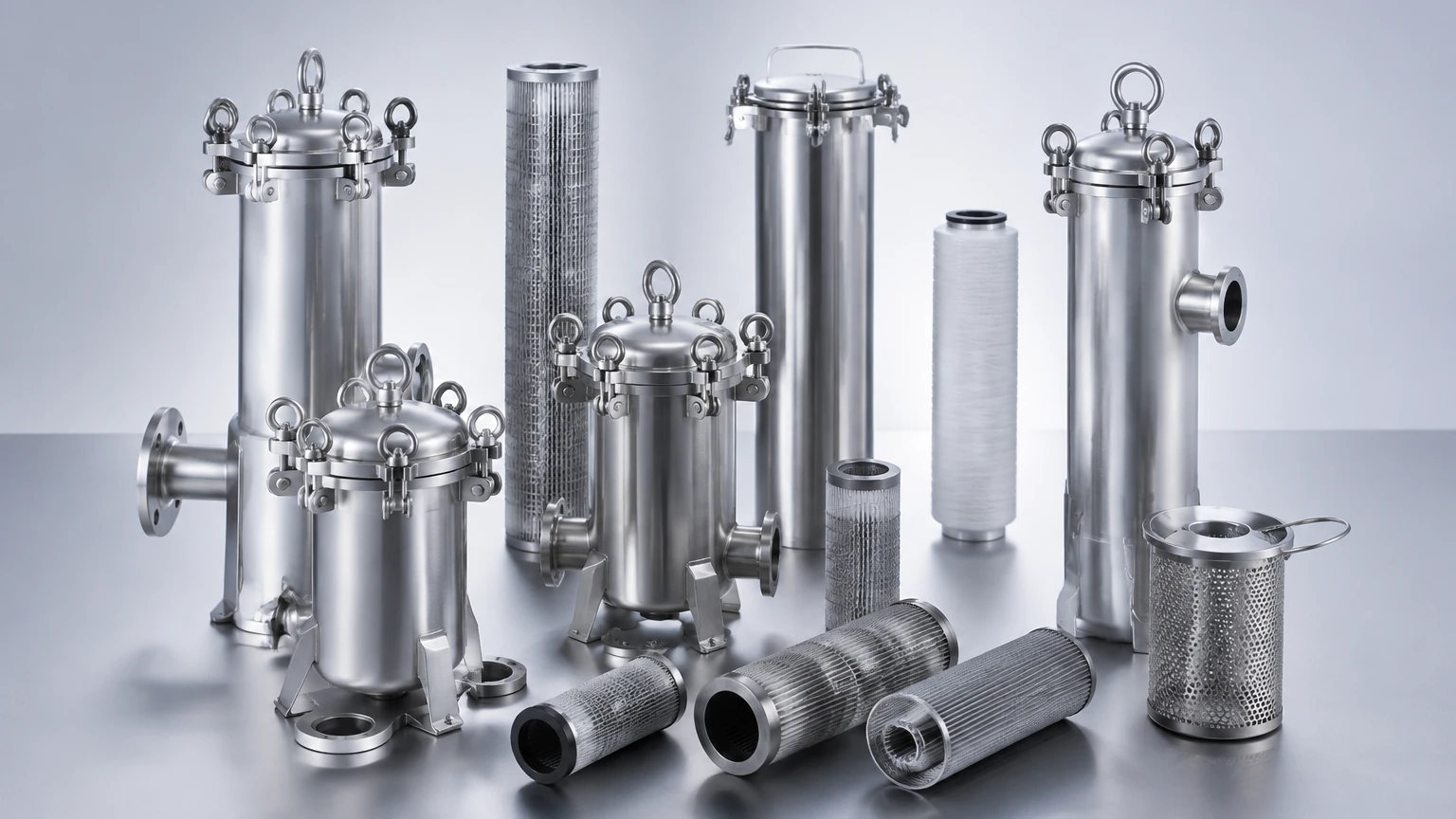
In industrial filtration, the term Pall filtergehäuse refers to high-performance filter housings designed to accommodate precision filter elements, often following the standards set by industry leaders like Pall Corporation. These housings are critical components in pressurized systems, acting as the protective vessel that ensures fluid passes through the filtration media without bypass. For engineers and procurement specialists, selecting the right housing involves a deep understanding of material compatibility, pressure ratings, and the specific geometric requirements of the filter cartridges being used.
As a manufacturer of custom stainless steel filtration solutions, Kaifil provides engineering insights into the construction and application of these systems. Whether for chemical processing, pharmaceutical production, or high-purity water treatment, the integrity of the filtergehäuse is as vital as the filter element itself.
Understanding the Role of Filtergehäuse in Industrial Filtration
A filtergehäuse (filter housing) is more than just a container; it is a precision-engineered pressure vessel. Its primary function is to direct the flow of a liquid or gas through a filter cartridge while maintaining a leak-proof seal. In the context of Pall-compatible systems, these housings are often designed to handle high flow rates and high dirt-holding capacities.
The housing must manage several mechanical stresses, including internal pressure, thermal expansion, and potential hydraulic shock. A well-designed housing minimizes "dead zones" where bacteria or contaminants could accumulate, which is particularly important in sanitary applications. For technical teams, the choice of a housing is dictated by the required flow rate (m³/h), the operating temperature, and the chemical nature of the process fluid.
Material Science and Engineering Standards for Stainless Steel Housings
Most industrial filtergehäuse are constructed from stainless steel due to its durability and resistance to corrosion. The two most common grades used are 304 and 316L stainless steel.
* 304 Stainless Steel: Suitable for general industrial applications, water filtration, and less corrosive environments. It offers good mechanical properties and is cost-effective.
* 316L Stainless Steel: The "L" stands for low carbon, which improves weldability and resistance to intergranular corrosion. The addition of molybdenum makes 316L the standard for pharmaceutical, food and beverage, and chemical industries where chloride resistance is essential.
Beyond the alloy, the surface finish is a critical specification. For industrial use, a bead-blasted or pickled finish may suffice. However, for sterile or high-purity applications, the internal surfaces must be electropolished to a specific Ra (Roughness Average) value, often less than 0.4 µm or 0.8 µm. This reduces the surface area available for microbial attachment and facilitates easier cleaning (CIP/SIP).
Compatibility with Pall Filter Elements: Cartridge Interfaces and Sealing
A primary consideration when sourcing a Pall filtergehäuse is the cartridge interface. Pall elements typically utilize specific end-cap configurations that ensure a secure fit and prevent fluid bypass. Common configurations include:
1. Code 7 (226 O-ring with Fin): Features a locking tab and double O-rings to ensure the cartridge remains seated even under high differential pressure.
2. Code 3 (222 O-ring): A double O-ring seal without the locking tabs, often used in lower-pressure applications.
3. Code 8 (222 O-ring with Fin): Similar to Code 3 but with a finned top for easier handling and alignment.
The housing's internal base plate or "tubesheet" must be machined to precise tolerances to match these O-ring specifications. If the machining is off by even a fraction of a millimeter, the seal may fail, leading to contaminated downstream product. Engineers should verify that the housing manufacturer uses CNC machining for these critical interface points.
Application-Specific Requirements: From Pharmaceuticals to Chemical Processing
The design of a Pall filtergehäuse varies significantly depending on the industry it serves.
Pharmaceutical and Biotechnology
In these sectors, the housing must be fully drainable to prevent product loss and cross-contamination. Sanitary housings feature tri-clamp connections and are designed without threads or sharp corners. They must withstand repeated steam-in-place (SIP) cycles, which subjects the stainless steel and the gaskets to significant thermal stress.
Food and Beverage
For applications like beer filtration or bottled water, the focus is on high flow rates and hygienic design. The housing must comply with FDA and 3-A standards. Multi-round housings, which hold anywhere from 3 to over 100 cartridges, are common here to manage the high volumes required in production lines.
Chemical and Petrochemical
In chemical processing, the focus shifts to pressure ratings and chemical compatibility. Housings may need to be rated for high pressures (e.g., 10 bar, 16 bar, or higher) and must be compatible with aggressive solvents. In these cases, the choice of gasket material—such as Viton, EPDM, or PTFE-encapsulated silicone—is just as important as the metal itself.
Technical Selection Criteria: Flow Rates, Pressure Drops, and Sizing
Sizing a filtergehäuse is a balance between initial cost and operational efficiency. If a housing is too small, the fluid velocity will be too high, leading to a high initial pressure drop (Delta P) and reduced filter life. If it is too large, the initial capital expenditure and the footprint in the facility increase unnecessarily.
When evaluating a Pall filtergehäuse, engineers should request a pressure drop curve for the housing itself (independent of the filter element). The total pressure drop of the system is the sum of the housing drop and the clean filter element drop. Ideally, the initial clean pressure drop should not exceed 0.1 to 0.2 bar.
Key sizing factors include:
* Viscosity: Higher viscosity fluids require larger housings to maintain acceptable flow velocities.
* Contaminant Loading: If the fluid has a high solids content, a larger housing or a multi-stage filtration approach may be necessary to extend the time between filter changes.
* Connection Size: The inlet and outlet ports should be sized to match the existing piping to avoid unnecessary turbulence and pressure loss.
For those looking for tailored engineering support, you can Review product options and application support to find the right configuration for your specific flow requirements.
Maintenance, Operational Longevity, and Total Cost of Ownership
The total cost of ownership (TCO) of a filtergehäuse extends beyond the purchase price. It includes maintenance costs, the cost of replacement gaskets, and the labor required for filter changes.
Design features that reduce downtime include:
* Quick-Opening Closures: Swing bolts or V-band clamps allow for faster access to the filter elements compared to standard bolted flanges.
* Vent and Drain Valves: Properly positioned vents allow for the removal of air pockets, while drains ensure the housing can be emptied before opening, improving safety and cleanliness.
* Gasket Integrity: Regular inspection of the housing's main seal is essential. Over time, heat and chemicals can cause gaskets to lose their elasticity, leading to leaks.
Stainless steel housings from experienced manufacturers like Kaifil are built for decades of service. Unlike plastic housings, they do not suffer from UV degradation or embrittlement over time, making them a more sustainable and reliable choice for critical industrial processes.
Customization Options for Specialized Industrial Environments
While standard Pall filtergehäuse models meet many needs, some applications require custom engineering. This is where a specialized manufacturer provides the most value. Customization options often include:
* Modified Footprints: Designing a housing to fit into a tight space in an existing skid.
* Heating Jackets: For fluids that must be maintained at a specific temperature to prevent solidification or to reduce viscosity.
* Advanced Materials: Using Duplex stainless steel or Hastelloy for extremely corrosive environments where even 316L might fail.
* Integrated Instrumentation: Adding ports for pressure gauges, differential pressure transmitters, or sampling valves directly onto the housing body.
By working closely with a manufacturer that understands the nuances of precision metal filtration, engineering teams can ensure that their filtergehäuse is perfectly matched to both the Pall-style elements they intend to use and the rigorous demands of their specific industrial environment.
In conclusion, selecting a Pall filtergehäuse requires a technical evaluation of materials, sealing mechanisms, and flow dynamics. By prioritizing 316L stainless steel construction, ensuring precise cartridge interface compatibility, and sizing the unit for optimal pressure drop, facilities can achieve reliable, long-term filtration performance that protects both their equipment and their end products.
