Pes Filter
In the landscape of industrial liquid processing, the selection of filtration media is a critical engineering decision that directly impacts product purity, system longevity, and operational costs. Among the various synthetic membranes available, the pes filter (polyethersulfone) has emerged as a primary choice for applications requiring high flow rates, low protein binding, and exceptional chemical resistance. For engineers and procurement teams, understanding the technical nuances of polyethersulfone is essential when designing multi-stage filtration systems that often integrate these polymer membranes with robust stainless steel pre-filters.
Polyethersulfone is a high-performance thermoplastic known for its thermal stability and mechanical strength. When manufactured as a filtration membrane, it typically features an asymmetric pore structure, where the pore size gradually decreases from the upstream side to the downstream side. This unique architecture allows the filter to trap larger particles on the surface while providing fine-tuned retention within the depth of the membrane, resulting in higher dirt-holding capacity compared to symmetric membranes.
Understanding PES Membrane Technology in Industrial Filtration
The fundamental advantage of a pes filter lies in its hydrophilic nature. Unlike hydrophobic materials such as PTFE, PES does not require pre-wetting with alcohols or surfactants before filtering aqueous solutions. This characteristic simplifies operational workflows and reduces the risk of chemical leaching into the process stream. In B2B environments—particularly in pharmaceutical and food production—the ability to maintain a sterile, contaminant-free environment is paramount.
The asymmetric structure of the PES membrane is often described as a "funnel-like" configuration. The larger pores on the upstream side act as a built-in pre-filter, while the tighter downstream zone defines the absolute rating of the filter. This design significantly reduces the pressure drop across the membrane, allowing for higher flux rates. For facilities looking to optimize throughput without increasing the footprint of their filtration skids, the high-flow capability of PES is a decisive factor.
Key Technical Characteristics of Polyethersulfone Filters
When evaluating a pes filter for industrial use, several technical parameters must be considered to ensure compatibility with the specific process fluid and environmental conditions:
1. Pore Size and Retention Efficiency: PES membranes are available in a wide range of micron ratings, typically from 0.03 μm to 1.2 μm. For sterilization grades, 0.22 μm is the industry standard, providing validated retention of organisms such as *Brevundimonas diminuta*.
2. Chemical Compatibility: PES exhibits excellent resistance to a broad spectrum of chemicals, including many acids, bases, and alcohols. However, it is susceptible to certain organic solvents like ketones, esters, and halogenated hydrocarbons. Engineers must consult compatibility charts to ensure the membrane will not degrade or swell during operation.
3. Thermal Stability: These filters can typically withstand continuous operating temperatures up to 80°C or 90°C (176°F to 194°F) and are compatible with multiple sterilization cycles, including autoclaving and Steam-in-Place (SIP) procedures.
4. Low Extractables: High-quality PES membranes are manufactured without the use of wetting agents, resulting in extremely low levels of extractable substances. This is critical for maintaining the integrity of sensitive biological fluids and high-purity chemicals.
Primary Industrial Applications for PES Filters
The versatility of the pes filter makes it a staple in several high-stakes industries where precision is non-negotiable.
Pharmaceutical and Biotechnology
In the pharmaceutical sector, PES is the gold standard for the sterile filtration of buffers, culture media, and final drug products. Its low protein-binding properties ensure that valuable active pharmaceutical ingredients (APIs) are not lost to the membrane surface during the filtration process. This maximizes yield and ensures consistent potency across batches.
Food and Beverage Processing
For the beverage industry, particularly in wine and beer production, PES filters are used for microbial stabilization. They effectively remove yeast and spoilage bacteria while preserving the organoleptic qualities (color, flavor, and aroma) of the product. The high flux of PES allows for high-speed bottling lines to operate efficiently with minimal downtime for filter changes.
Microelectronics and Ultrapure Water
In the production of semiconductors, ultrapure water (UPW) is essential. PES filters serve as final polishing stages to remove sub-micron particulates that could cause defects in microcircuits. Their ability to operate at high flow rates with low pressure drop is vital for the massive volumes of water required in these facilities.
Comparing PES Filters with Stainless Steel Filtration Solutions
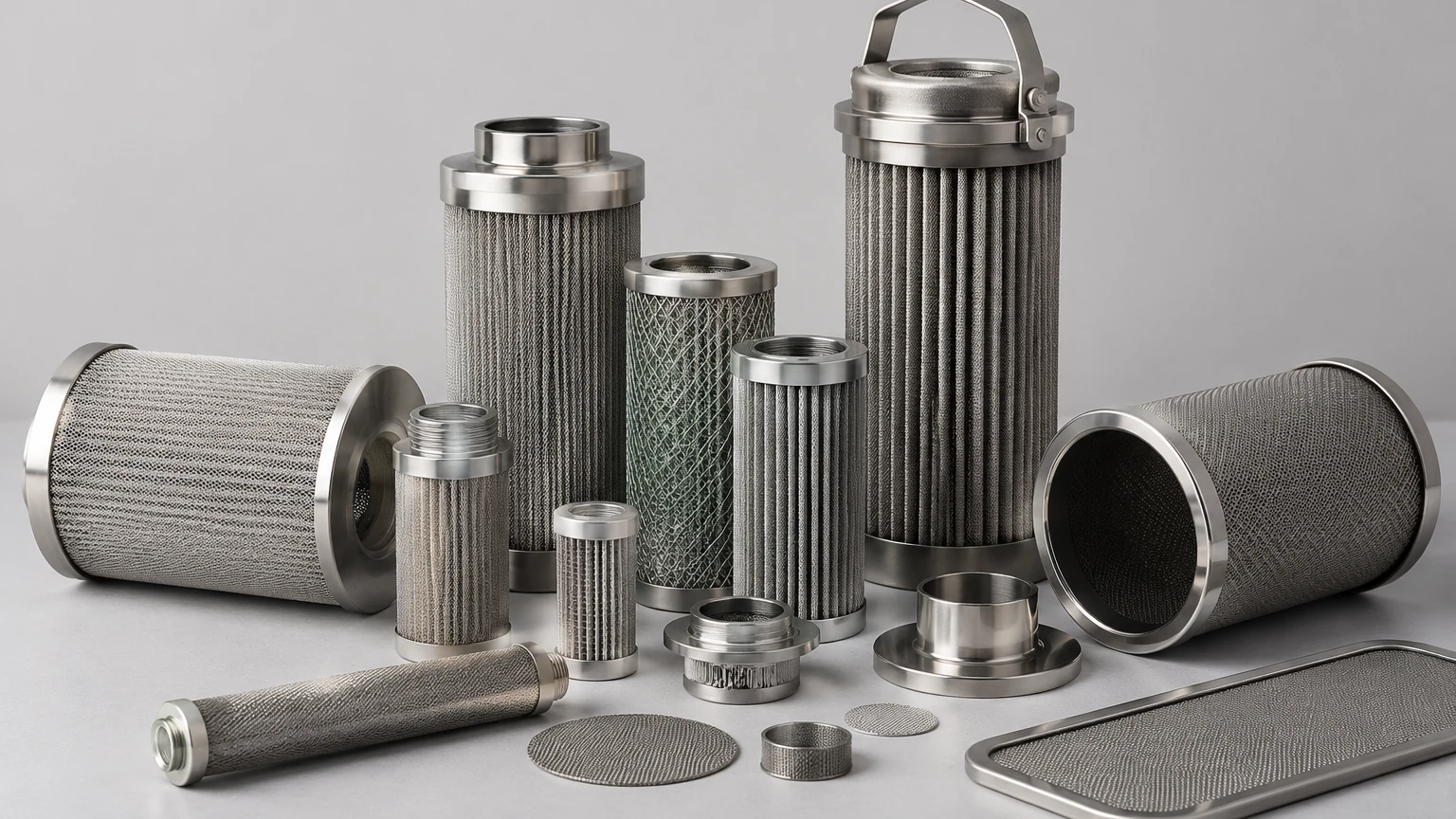
While the pes filter excels in fine, sterile filtration, it is often part of a larger system that includes metal filtration components. At Kaifil, we specialize in the manufacturing of stainless steel filter cartridges and wire mesh filters that often serve as the first line of defense for delicate polymer membranes.
Durability vs. Precision
Stainless steel filters are designed for extreme durability, capable of withstanding high differential pressures and aggressive cleaning chemicals that would destroy a PES membrane. They are typically used for coarse filtration (5 μm to 100+ μm) to remove the bulk of particulate matter. By utilizing a stainless steel pre-filter from the Main Page, operators can significantly extend the life of the more expensive PES final filters. This "staged" approach reduces the total cost of ownership by preventing the premature clogging of sub-micron membranes.
Cleanability and Reuse
One of the primary differences lies in the lifecycle. PES filters are generally considered semi-disposable or limited-use components, especially in sterile applications where validation is required. In contrast, stainless steel filters are fully cleanable and reusable. They can be backwashed, ultrasonically cleaned, or chemically treated, making them ideal for heavy-duty industrial applications where waste reduction is a priority.
Integration Strategies
In a typical hydraulic or chemical processing setup, a stainless steel wire mesh filter might capture metal shavings or large scale, followed by a pleated stainless steel cartridge for finer particulates, and finally a pes filter for absolute microbial or sub-micron retention. This synergy ensures that the PES membrane only encounters the specific particles it was designed to handle, maintaining high flux and preventing catastrophic failure.
Engineering Selection Criteria for PES Filtration Systems
Selecting the right pes filter requires a systematic evaluation of the process requirements. Engineers should confirm the following data points before finalizing a procurement order:
* Total Throughput Requirements: Calculate the total volume to be filtered and the desired flow rate. This determines the surface area required and the number of filter cartridges needed in a multi-round housing.
* Particle Size Distribution: Understanding the nature of the contaminants helps in choosing the correct micron rating. If the fluid contains a high concentration of deformable particles, a depth-style pre-filter may be necessary upstream of the PES membrane.
* Sterilization Protocols: If the process requires SIP, the filter must be rated for the specific temperature and pressure of the steam cycles. It is also important to track the number of sterilization cycles, as repeated thermal stress can eventually compromise the membrane integrity.
* Regulatory Compliance: For food and pharma applications, ensure the filter materials meet FDA requirements for food contact and pass USP Class VI biological reactivity tests.
Maintenance, Sterilization, and Service Life Considerations
The service life of a pes filter is largely dictated by the pressure drop (ΔP) across the membrane. As particles accumulate, the pressure required to maintain a constant flow rate increases. Most industrial systems are designed with a "terminal pressure drop" threshold—typically around 2.0 to 2.5 bar (30-35 psi)—at which point the filter must be replaced or cleaned if the application allows.
Integrity testing is another critical maintenance step, particularly in regulated industries. Methods such as the bubble point test, pressure hold test, or forward flow test are used to verify that the membrane is intact and capable of providing the rated retention. For a pes filter, these tests are highly reliable due to the consistent pore structure of the polyethersulfone material.
To maximize the life of these filters, engineers should focus on:
1. Effective Pre-filtration: Using high-quality stainless steel components to remove the majority of the solids load.
2. Proper Venting: Ensuring all air is removed from the filter housing before starting the flow, as air pockets can cause uneven loading and mechanical stress on the pleats.
3. Controlled Flow Ramping: Gradually increasing the pump speed to avoid pressure spikes that could rupture the membrane.
Conclusion: Optimizing Your Filtration Strategy
The pes filter remains an indispensable tool in the modern industrial toolkit, offering a unique combination of speed, purity, and chemical resilience. However, its performance is only as good as the system supporting it. By integrating high-precision PES membranes with the rugged, custom-engineered stainless steel solutions provided by Kaifil, industries can achieve a balance of fine filtration and operational durability.
Whether you are managing a complex chemical process or a sensitive pharmaceutical line, the key to success lies in understanding how different materials—from polyethersulfone to 316L stainless steel—work together to protect your product and your equipment. For more information on custom metal filtration components that complement your membrane systems, Review product options and application support to find the ideal configuration for your specific industrial needs.