


Pharma Dust Collector
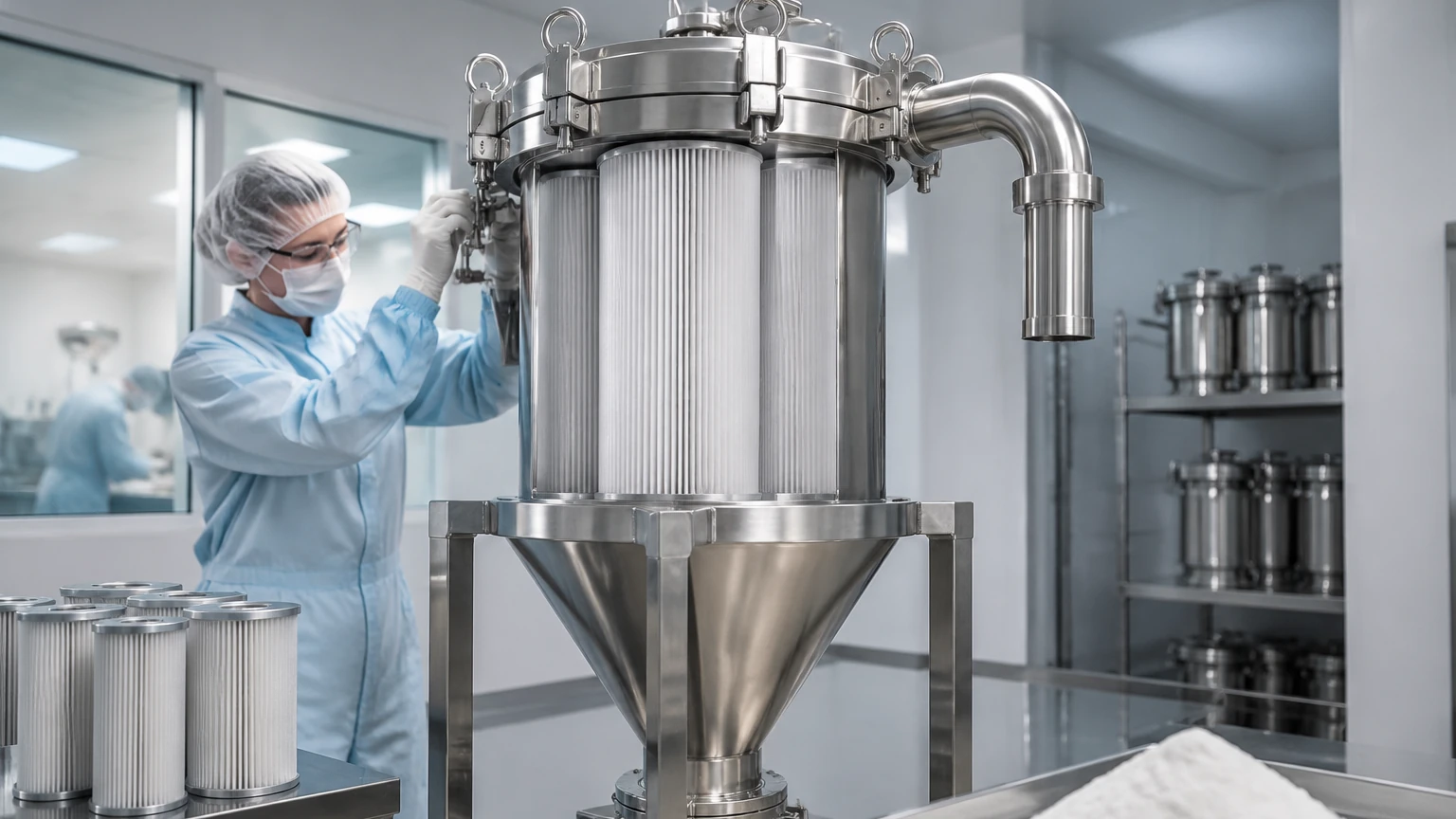
In the pharmaceutical manufacturing industry, maintaining a pristine environment is not merely a matter of operational efficiency; it is a critical regulatory and safety requirement. A pharma dust collector serves as the primary defense against airborne particulates generated during processes such as milling, granulating, tableting, and coating. These systems are engineered to capture fine powders, protect workers from exposure to active pharmaceutical ingredients (APIs), and prevent cross-contamination between different product batches.
Selecting the appropriate filtration components for a pharma dust collector requires a deep understanding of material science, fluid dynamics, and stringent industry standards like Good Manufacturing Practice (GMP). For engineers and procurement specialists, the focus must extend beyond basic suction power to the technical nuances of filter media, housing design, and long-term durability in demanding chemical environments.
The Role of Pharma Dust Collectors in Contamination Control
Pharmaceutical dust is often characterized by its fine particle size, high value, and, in many cases, its hazardous nature. Unlike standard industrial dust collection, pharmaceutical applications demand a higher level of precision. The primary objective of a pharma dust collector is to ensure that the air quality within the facility meets or exceeds ISO cleanroom standards while ensuring that no product is lost or cross-contaminated.
Contamination control is multifaceted. First, there is the protection of the operator. Many APIs are potent and can cause adverse health effects even at low exposure levels. Second, there is the protection of the product. Dust from one batch must not be allowed to migrate to another, which could lead to product recalls and significant financial loss. Finally, there is the protection of the facility itself. Fine powders can be combustible; therefore, a dust collector must also function as a safety device to mitigate the risk of dust explosions.
To achieve these goals, the filtration media within the collector must provide consistent performance. This is where high-quality stainless steel wire mesh and sintered metal filters become indispensable. These materials offer the structural integrity and chemical resistance necessary to handle the aggressive cleaning protocols and diverse chemical compositions found in pharmaceutical labs and production floors.
Technical Specifications and Material Selection for Pharmaceutical Filtration
When specifying components for a pharma dust collector, the choice of material is the most critical decision. Stainless steel, particularly grades 316L and 304, is the industry standard due to its corrosion resistance and ability to withstand high temperatures and rigorous sterilization processes.
Micron Ratings and Filtration Efficiency
Pharmaceutical dust can range from sub-micron particles to larger granules. A robust dust collection system often utilizes a multi-stage filtration approach. This may include a primary metal mesh filter to capture larger particulates, followed by a secondary high-efficiency particulate air (HEPA) filter. The primary filter must be precisely engineered to a specific micron rating to ensure that it captures the bulk of the dust without causing excessive pressure drop, which would strain the system’s fan and reduce overall efficiency.
Surface vs. Depth Filtration
In a pharma dust collector, surface filtration is often preferred for primary stages. Sintered metal mesh filters allow dust to accumulate on the surface, forming a "dust cake" that can be easily removed through pulse-jet cleaning or manual washing. Depth filtration, while effective for capturing very fine particles, can be more difficult to clean and may require more frequent replacement. Engineers must balance the need for high-efficiency capture with the requirement for a reusable, cleanable filter element to manage total cost of ownership.
Chemical Compatibility
Pharmaceutical processes involve a wide array of solvents, acids, and bases. Filter elements must be inert to these substances to prevent leaching or structural degradation. Stainless steel filtration solutions are ideal here, as they do not shed fibers—a common failure point in fabric or paper filters—ensuring that the filtration process itself does not become a source of contamination.
Critical Design Features: HEPA Integration and Sintered Metal Components
A high-performance pharma dust collector is more than just a vacuum; it is a sophisticated pressure vessel designed for containment. The integration of sintered metal components provides several advantages over traditional media. Sintering—a process of fusing metal layers through heat and pressure without melting—creates a porous structure that is incredibly strong and uniform.
Structural Integrity under Pressure
Dust collectors operate under significant vacuum or positive pressure. Traditional bag filters or cartridges can collapse or tear if the pressure differential becomes too high. Sintered metal cartridges maintain their shape and filtration accuracy even under extreme mechanical stress. This reliability is essential in continuous manufacturing processes where downtime is not an option.
Clean-in-Place (CIP) Capabilities
To maintain a sterile environment, many pharmaceutical dust collectors are equipped with Clean-in-Place (CIP) or Wash-in-Place (WIP) systems. These systems use spray balls to distribute cleaning agents throughout the housing. Metal filters are uniquely suited for this because they can withstand high-pressure water jets and aggressive detergents without losing their filtration properties. This allows for rapid changeovers between different product runs, significantly increasing the facility's throughput.
Precision Engineering for Custom Housings
No two pharmaceutical production lines are identical. Customization is often required for the filter housings and the internal support structures. Whether the system requires a specific flange connection, a unique cartridge length, or specialized gaskets (such as PTFE or silicone), the filtration components must be manufactured to exact tolerances to ensure a leak-proof seal. Even a microscopic gap can allow hazardous dust to bypass the filter, compromising the entire containment strategy.
Operational Safety: Explosion Protection and Containment
Safety is a paramount concern in the design of any pharma dust collector. Many pharmaceutical powders, such as sugar, starch, and certain active ingredients, are highly combustible. If these powders are suspended in the air in the right concentration, a single spark can trigger a devastating explosion.
ATEX and NFPA Compliance
Engineers must ensure that the dust collection system complies with international safety standards such as ATEX (in Europe) or NFPA (in the United States). This involves using antistatic filter media and ensuring that all metal components are properly grounded to prevent the buildup of static electricity. Stainless steel filters are naturally conductive, making them an excellent choice for explosion-prone environments compared to synthetic fabrics.
Containment Levels (OEB)
Occupational Exposure Banding (OEB) defines the level of containment required based on the toxicity of the substance being handled. For highly potent compounds (OEB 4 and OEB 5), the dust collector must be designed for "total containment." This often involves "bag-in/bag-out" (BIBO) filter replacement procedures, where the contaminated filter is removed inside a sealed plastic bag to prevent any dust from escaping into the ambient air. The durability of metal filters reduces the frequency of these high-risk maintenance events.
Optimizing Maintenance: Filter Longevity and Replacement Strategies
The total cost of ownership for a pharma dust collector is heavily influenced by the lifespan of its filters. While disposable filters may have a lower initial purchase price, the costs associated with frequent replacements, hazardous waste disposal, and production downtime can be substantial.
Monitoring Pressure Drop
The most effective way to monitor filter health is by tracking the pressure drop across the media. A steady increase in pressure drop indicates that the filter is loading with dust. In systems using sintered metal filters, a pulse-jet cleaning cycle can often return the pressure drop to near-baseline levels. When the baseline pressure drop begins to rise permanently, it indicates that the filter requires deep cleaning or replacement.
Durability and Reusability
Unlike polymer-based filters that degrade over time due to chemical exposure or mechanical fatigue, stainless steel filters can often be cleaned and returned to service multiple times. Ultrasonic cleaning is a common method used to restore metal filters to their original specifications. This longevity not only reduces the cost of spare parts but also aligns with corporate sustainability goals by reducing the volume of industrial waste.
Predicting Replacement Cycles
By analyzing the rate of pressure drop increase and the effectiveness of cleaning cycles, maintenance teams can develop predictive replacement schedules. This proactive approach prevents unexpected filter failures that could lead to environmental excursions or equipment damage. When selecting a supplier, it is vital to confirm that they provide consistent filtration performance across batches so that these predictive models remain accurate.
Selecting a Custom Filtration Partner for Pharmaceutical Applications
Choosing a supplier for pharma dust collector components is a decision that impacts the safety, compliance, and profitability of a manufacturing facility. It is not enough to simply buy a part; engineers need a partner who understands the complexities of pharmaceutical filtration and can provide technical support from the design phase through to long-term maintenance.
An ideal partner offers extensive OEM capabilities, allowing for the development of bespoke filtration solutions that fit perfectly into existing system architectures. They should provide detailed documentation, including material certifications (MTRs) and filtration efficiency reports, to support the facility's validation and regulatory filing processes. Quality control is non-negotiable; every filter element must be inspected for pore uniformity and structural integrity to ensure it meets the demanding standards of the pharmaceutical sector.
For those seeking to optimize their industrial filtration systems, exploring a wide range of specialized components is the first step toward achieving superior air quality and process reliability. To learn more about customized stainless steel filtration solutions and how they can be integrated into your facility, you can Main Page for detailed product specifications and technical support.
In conclusion, the pharma dust collector is a vital component of modern drug manufacturing. By focusing on high-quality materials like stainless steel, prioritizing safety through explosion protection and containment, and choosing durable, cleanable filter elements, pharmaceutical companies can ensure a safe working environment and the production of high-quality, uncontaminated products. Investing in the right filtration technology today is a safeguard against the regulatory and operational challenges of tomorrow.
