


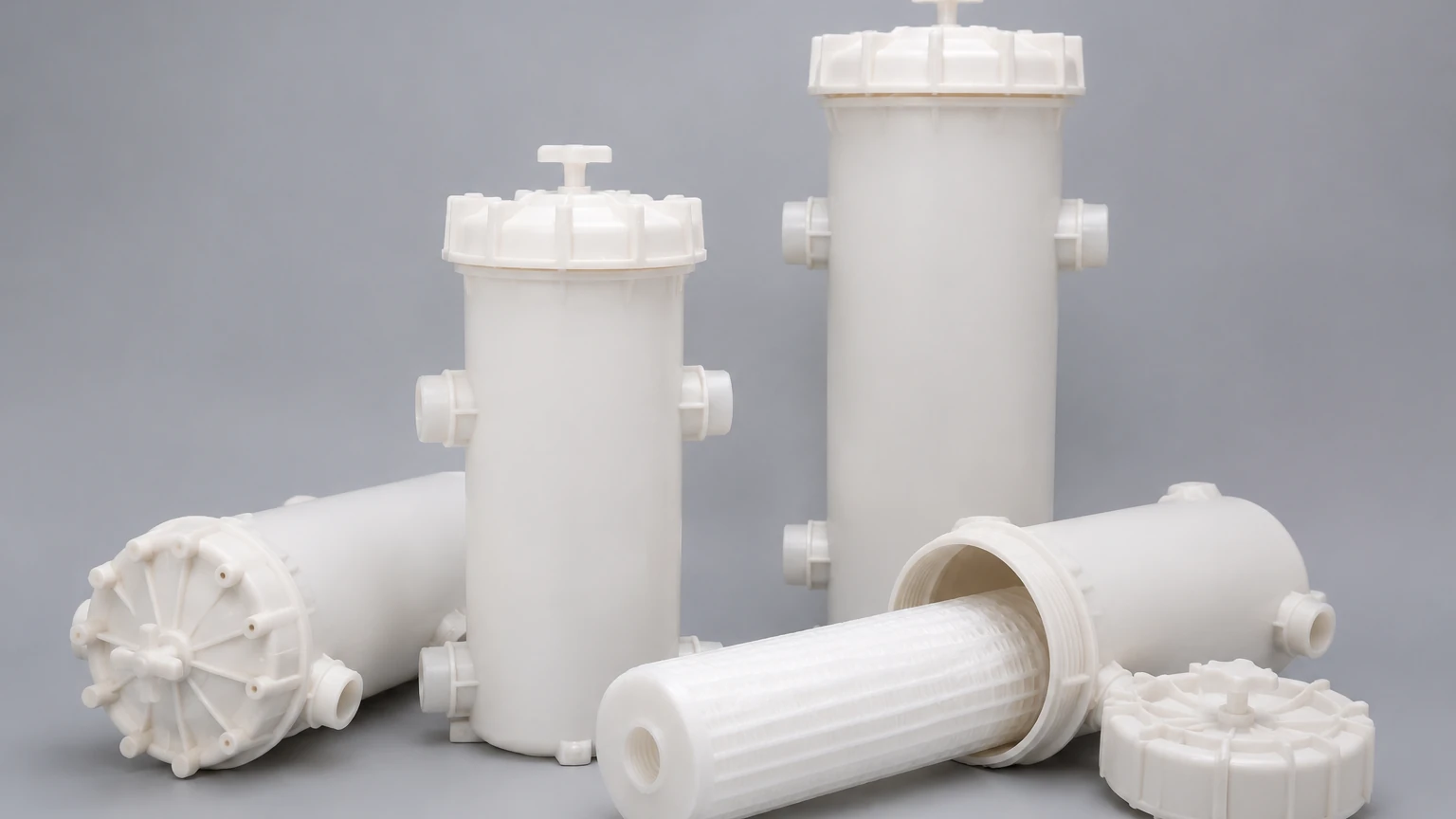
Polypropylene Filter Vessel
In industrial liquid processing, the selection of a filtration housing is as critical as the selection of the filter media itself. A polypropylene filter vessel serves as a specialized enclosure designed to hold filter bags or cartridges while providing superior resistance to corrosive environments where traditional metallic housings might fail. For engineers and procurement specialists, understanding the technical nuances of these vessels—ranging from thermal stability to chemical compatibility—is essential for ensuring process integrity and long-term operational efficiency.
Polypropylene (PP) is a thermoplastic polymer favored in the filtration industry for its lightweight nature, cost-effectiveness, and exceptional resistance to a wide array of acids, alkalis, and organic solvents. While Kaifil specializes in high-performance stainless steel filtration components, the integration of polypropylene vessels into broader industrial systems is a common practice, particularly in water treatment, chemical processing, and electronics manufacturing.
Technical Properties and Material Engineering
The performance of a polypropylene filter vessel is dictated by the inherent properties of the polymer. Polypropylene is a semi-crystalline material characterized by high fatigue resistance and chemical inertness. However, from an engineering perspective, its mechanical properties are highly temperature-dependent.
Thermal Limits and Pressure Derating
Unlike stainless steel vessels, which maintain structural integrity at significantly higher temperatures, polypropylene vessels typically operate within a range of 0°C to 80°C (32°F to 176°F). It is vital for engineers to consult pressure-temperature derating charts. As the operating temperature increases, the maximum allowable working pressure (MAWP) of the vessel decreases. For instance, a vessel rated for 100 PSI at 25°C may only be rated for 40 PSI at 70°C. Failure to account for this derating can lead to catastrophic housing failure or bypass leaks.
Chemical Compatibility
One of the primary drivers for selecting a polypropylene filter vessel is its immunity to galvanic corrosion and its resistance to aggressive chemicals. PP is highly resistant to:
* Mineral Acids: Including hydrochloric, phosphoric, and sulfuric acids at various concentrations.
* Bases: Such as sodium hydroxide and potassium hydroxide.
* Salts: Making it ideal for seawater filtration and brine processing.
However, PP has limited resistance to strong oxidizing agents, aromatic hydrocarbons (like benzene), and chlorinated solvents (like chloroform), which can cause swelling or stress cracking. In these specific instances, engineers may need to pivot toward specialized stainless steel alloys or fluoropolymer-lined vessels.
Structural Design and Housing Configurations
Polypropylene filter vessels are generally manufactured through injection molding or high-quality fabrication processes. The design must account for the stresses of pressurized flow while maintaining a leak-proof seal.
Bag Filter Vessels vs. Cartridge Filter Vessels
* Bag Filter Vessels: These are designed for high-flow applications where bulk contaminant removal is required. The vessel typically contains a support basket—often made of stainless steel for added rigidity—that holds the filter bag. The polypropylene construction ensures that the housing remains unaffected by the fluid, even if the bag captures corrosive particulates.
* Cartridge Filter Vessels: These are utilized for high-precision filtration. They can house single or multiple cartridges (such as melt-blown, pleated, or string-wound elements). The internal hardware, including tie rods and seal plates, must also be compatible with the process fluid to prevent internal bypass.
Closure Mechanisms and Sealing
Safety and ease of maintenance are paramount in vessel design. Common closure types include:
* Threaded Lids: Often found on smaller, single-cartridge housings. These require careful handling to avoid cross-threading the plastic components.
* Swing Bolt Closures: These provide a more robust seal for larger vessels, allowing for quick access during filter change-outs without the need for specialized tools.
* O-Ring Seals: The choice of O-ring material (Buna-N, EPDM, Viton, or PTFE-encapsulated) is critical. Even if the PP housing is compatible with the fluid, a mismatched O-ring will lead to external leakage and process downtime.
Key Selection Criteria for Industrial Applications
When specifying a polypropylene filter vessel, engineers must look beyond the initial purchase price. A comprehensive evaluation involves analyzing the total cost of ownership (TCO) and the specific demands of the application.
Flow Rate and Pressure Drop (Delta P)
The vessel size must be matched to the required flow rate. Oversizing a vessel can reduce the frequency of filter changes, but undersizing leads to high initial pressure drops and reduced filter life. Engineers should calculate the clean pressure drop of the housing and add it to the pressure drop of the clean filter element. Total system pressure should ideally remain well below the vessel’s derated pressure limit.
Connection Types and Standards
Integration into existing piping systems requires compatible connections. Polypropylene vessels are commonly available with:
* NPT or BSP Threaded Ports: Standard for smaller systems.
* Flanged Connections (ANSI/DIN): Preferred for larger industrial lines to ensure a secure, leak-proof interface with the rest of the facility's infrastructure.
* Union Connections: Facilitate easy removal of the vessel for off-line cleaning or maintenance.
Environmental Factors
If the vessel is installed outdoors, UV degradation is a concern. While many industrial PP vessels include UV stabilizers, prolonged exposure to direct sunlight can lead to embrittlement. In such cases, protective coatings or shielding may be necessary, or a transition to a metallic housing might be more appropriate for long-term durability.
Comparative Analysis: Polypropylene vs. Stainless Steel
Choosing between a polypropylene filter vessel and a stainless steel alternative involves weighing chemical resistance against mechanical strength.
| Feature | Polypropylene Vessel | Stainless Steel Vessel (304/316) |
| :— | :— | :— |
| Corrosion Resistance | Excellent for acids/bases | Susceptible to chlorides/pitting |
| Pressure Rating | Lower (typically <150 PSI) | High (can exceed 1000+ PSI) |
| Temperature Limit | Low (up to 80°C) | High (up to 250°C+) |
| Weight | Lightweight | Heavy |
| Cost | Economical | Higher investment |
| Sanitary Standards | Good (FDA compliant grades) | Superior (Electropolished options) |
In many hybrid systems, a polypropylene vessel is used for the primary corrosive stage, while stainless steel components, such as those provided on the Main Page, are utilized for high-pressure polishing stages or where high-temperature steam sterilization (SIP) is required.
Maintenance and Operational Best Practices
To maximize the service life of a polypropylene filter vessel, a proactive maintenance schedule is necessary. Unlike metal, plastic can suffer from "creep"—a slow deformation under constant stress—and environmental stress cracking.
1. Visual Inspections: Regularly check the exterior for signs of crazing (small cracks), discoloration, or weeping at the joints. These are early indicators of material fatigue or chemical attack.
2. Torque Management: When tightening lids or flanges, follow manufacturer specifications. Over-tightening can strip threads or deform the sealing surfaces of the plastic.
3. Venting and Draining: Ensure the vessel is properly vented during startup to avoid air pockets that can cause pressure surges (water hammer). Proper draining is essential before maintenance to prevent exposure to hazardous chemicals.
4. Seal Replacement: O-rings should be replaced every time the vessel is opened for a filter change. Reusing compressed O-rings is a common cause of bypass and external leaks.
Conclusion: Making an Informed Decision
The polypropylene filter vessel is an indispensable tool for handling corrosive fluids and maintaining high purity in sensitive industrial processes. By accurately assessing temperature, pressure, and chemical variables, engineering teams can implement a filtration solution that balances performance with cost-effectiveness.
While the housing provides the structural envelope, the efficiency of the filtration process often depends on the precision of the internal components. For applications requiring high-strength internal support or specialized metal filtration media that complement these vessels, technical professionals should evaluate the engineering capabilities of established manufacturers. For more information on precision filtration components and custom industrial solutions, visit the Main Page to explore how advanced manufacturing supports demanding filtration requirements across the chemical, pharmaceutical, and food and beverage sectors.
