


Plate Screen
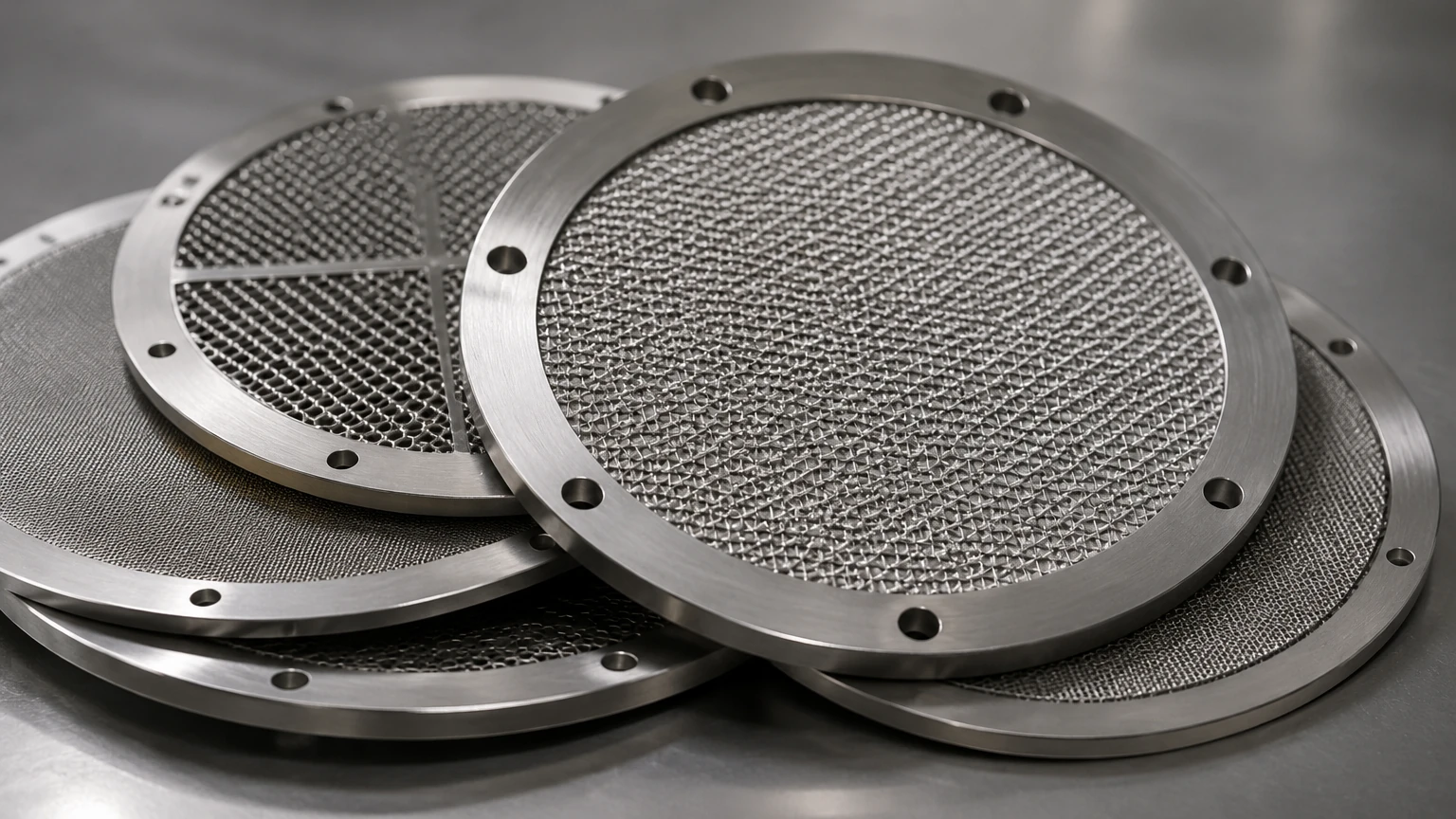
In industrial filtration and separation processes, the plate screen serves as a fundamental component for managing fluid dynamics and solid-liquid separation. Unlike flexible mesh media, a plate screen provides a rigid, structural solution capable of withstanding significant mechanical stress while maintaining precise filtration apertures. For engineers and procurement teams, selecting the correct plate screen involves a complex evaluation of material properties, hole geometries, and hydraulic performance to ensure long-term operational reliability.
As a specialized manufacturer, Kaifil provides high-precision stainless steel filtration components designed for demanding environments. Understanding the technical nuances of plate screens is essential for optimizing system efficiency and protecting downstream equipment in sectors ranging from chemical processing to food and beverage production.
Engineering Fundamentals of Plate Screen Construction
The performance of a plate screen is primarily dictated by its construction method and the material used. In industrial applications, stainless steel is the standard due to its mechanical strength and resistance to environmental degradation. The most common alloys used are Grade 304 and Grade 316L.
* Grade 304: Suitable for general-purpose applications where basic corrosion resistance and high strength are required.
* Grade 316L: Preferred for pharmaceutical, chemical, and marine applications. The addition of molybdenum and lower carbon content provides superior resistance to pitting and crevice corrosion, particularly in chloride-rich environments.
Beyond material selection, the fabrication method determines the precision of the screen. Perforated plate screens are typically manufactured through mechanical punching, laser cutting, or waterjet cutting. Mechanical punching is highly cost-effective for large-scale production with standard hole patterns, while laser cutting offers the precision required for complex geometries and thicker plates where edge quality is critical. For ultra-fine applications, photo-chemical etching may be employed to create microscopic apertures without inducing thermal stress in the metal.
Key Parameters: Open Area and Hole Geometry
When specifying a plate screen, the "Open Area" percentage is perhaps the most critical metric. It represents the ratio of the total area of the holes to the total area of the plate. This figure directly influences the flow rate and the pressure drop (delta P) across the screen.
Calculating Open Area
A high open area percentage allows for higher flow rates and lower energy consumption due to reduced resistance. However, increasing the open area often comes at the cost of structural integrity. Engineers must find the equilibrium point where the plate is porous enough for the process requirements but thick enough to resist deformation under hydraulic pressure.
Hole Patterns and Shapes
The geometry of the apertures affects both the filtration efficiency and the tendency of the screen to "blind" or clog:
1. Round Holes: The most common configuration, offering the best balance of structural strength and ease of cleaning. They are ideal for separating spherical or irregularly shaped solids.
2. Slotted Holes: Often used in dewatering applications or for the separation of elongated fibers. Slotted plate screens are less prone to clogging when handling fibrous materials.
3. Square and Hexagonal Holes: These provide a higher open area than round holes but may lead to stress concentrations at the corners, potentially reducing the fatigue life of the screen in vibrating or high-pressure applications.
Structural Integrity and Pressure Considerations
In many industrial systems, the plate screen acts as a primary barrier against large contaminants. This means it must withstand the total force exerted by the fluid flow, especially as the screen begins to accumulate debris. The mechanical design must account for:
* Plate Thickness: Thicker plates offer greater resistance to bending and bursting but may require larger hole diameters due to the limitations of mechanical punching (where the hole diameter usually cannot be significantly smaller than the plate thickness).
* Support Structures: For large-diameter screens or those operating under high differential pressure, the plate screen is often reinforced with a support grid or ribs to prevent catastrophic failure.
* Flow Velocity: High-velocity flows can cause erosion at the edges of the apertures. Selecting a plate with a smooth surface finish and burr-free holes is essential to minimize turbulence and abrasive wear.
For those seeking specific engineering support or customized designs to meet these structural requirements, you can Review product options and application support on the Kaifil website.
Applications Across Industrial Sectors
The versatility of the plate screen makes it indispensable across various heavy industries. Each sector has unique requirements regarding hygiene, chemical compatibility, and filtration precision.
Chemical and Petrochemical Processing
In these environments, plate screens are used for catalyst recovery, intake protection for pumps, and as support plates for molecular sieves. The primary concern here is chemical compatibility. Using 316L or specialized duplex stainless steels ensures that the screen does not degrade when exposed to aggressive solvents or high temperatures.
Food and Beverage Industry
Hygiene is the priority in food processing. Plate screens used here must have a high surface finish (often electropolished) to prevent bacterial growth in microscopic crevices. They are commonly used in juice extraction, grain processing, and as pre-filters in brewing to remove large organic solids before the liquid moves to finer filtration stages.
Water Treatment and Intake Systems
Large-scale plate screens are used in water intake structures to protect pumps and downstream turbines from debris such as sticks, stones, and aquatic life. These screens must be exceptionally durable and often incorporate self-cleaning mechanisms, such as mechanical scrapers or backwash systems, to maintain flow.
Performance Evaluation and Maintenance
To maintain the efficiency of an industrial filtration system, the performance of the plate screen must be monitored regularly. The most effective way to gauge the condition of a screen is by measuring the differential pressure. A sudden increase in pressure drop usually indicates blinding or a significant accumulation of solids, necessitating a cleaning cycle.
Cleaning and CIP (Clean-in-Place)
Stainless steel plate screens are highly compatible with CIP protocols. They can withstand high-temperature steam, caustic cleaning agents, and high-pressure water jets. Unlike synthetic mesh, a metal plate screen does not shed fibers and is not easily damaged by mechanical cleaning tools.
Replacement Cycles
While stainless steel screens are designed for longevity, they are not permanent. Factors that dictate replacement include:
* Erosion: Over time, the abrasive nature of the fluid can enlarge the holes, leading to a loss of filtration accuracy.
* Fatigue Cracking: In systems with pulsating flows or vibration, the metal may develop fatigue cracks, particularly around the edges of the perforations.
* Irreversible Blinding: In some chemical applications, deposits can become chemically bonded to the surface, making standard cleaning ineffective.
Customization and Procurement Considerations
Standard off-the-shelf plate screens rarely meet the exact needs of specialized industrial equipment. Customization is often necessary to ensure the screen fits perfectly within the housing and meets the specific micron rating required for the process. When partnering with a manufacturer like Kaifil, engineers should be prepared to confirm the following data points:
1. Fluid Characteristics: Viscosity, temperature, and chemical composition.
2. Contaminant Profile: The size, shape, and concentration of the solids to be removed.
3. Flow Requirements: Minimum and maximum flow rates and the maximum allowable pressure drop.
4. Mechanical Interface: Exact dimensions, tolerances, and mounting requirements (e.g., flanged, bolted, or friction fit).
By focusing on these technical details, procurement teams can avoid the common pitfalls of selecting under-specified components that lead to frequent downtime or equipment damage. Kaifil’s expertise in OEM and custom stainless steel filtration ensures that each plate screen is engineered for the specific rigors of its intended application.
For more information on technical specifications and to explore the full range of metal filtration solutions, visit the Kaifil Main Page. Selecting the right plate screen is an investment in the reliability and longevity of your entire industrial process. By prioritizing material quality and engineering precision, facilities can achieve optimized filtration performance and reduced total cost of ownership.
