


Porosity Plastic
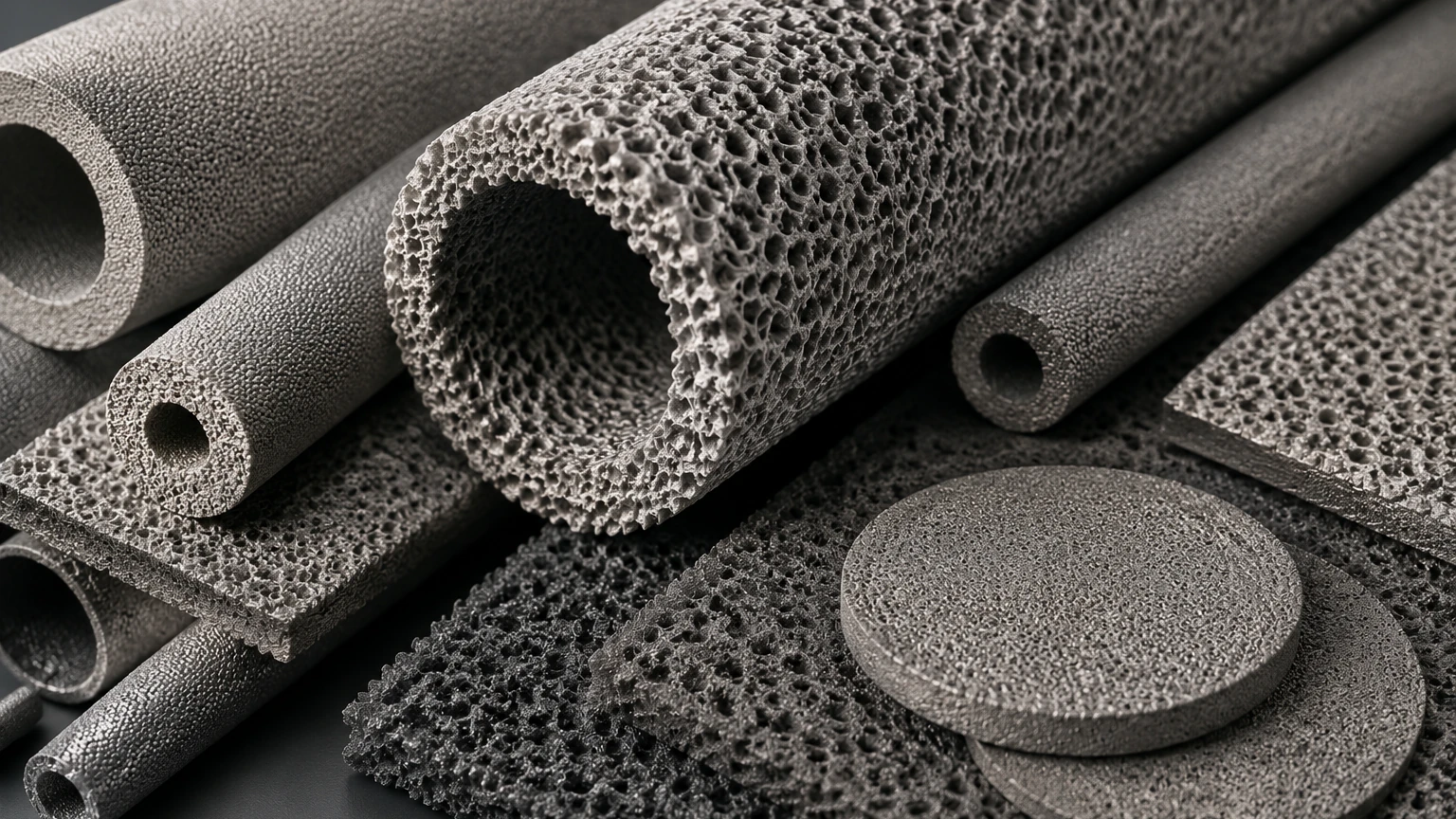
In industrial engineering and fluid dynamics, the term porosity plastic refers to a specialized class of porous polymers designed with an interconnected network of pores. Unlike standard solid plastics, these materials are engineered to allow the controlled passage of gases, liquids, and light while maintaining structural integrity. For engineers and procurement teams in sectors such as chemical processing, pharmaceuticals, and water treatment, understanding the nuances of porosity plastic is essential for selecting the right filtration or venting media.
This guide explores the technical characteristics, manufacturing processes, and industrial applications of porous plastics, while also examining how they compare to traditional metal filtration solutions like stainless steel wire mesh.
The Science of Sintered Porosity Plastic
The most common method for creating high-quality porosity plastic is through a process known as sintering. During this process, spherical or irregular polymer granules—typically high-density polyethylene (HDPE), ultra-high molecular weight polyethylene (UHMWPE), or polytetrafluoroethylene (PTFE)—are placed into a mold and heated to a temperature just below their melting point.
Under controlled pressure and heat, the surface of these granules begins to fuse at the contact points. Because the material is not fully melted, the spaces between the granules remain open, creating an omnidirectional, tortuous path for fluids to travel through. The resulting material is a rigid, self-supporting structure that does not require an internal frame for many low-pressure applications.
The technical advantage of porosity plastic lies in its consistency. By controlling the size of the initial polymer granules and the parameters of the sintering cycle, manufacturers can produce materials with precise pore sizes ranging from 1 micron to over 200 microns. This level of control is critical for industrial filters that must meet strict particulate retention requirements.
Key Performance Metrics for Porous Plastics
When evaluating porosity plastic for an industrial system, engineers must look beyond simple dimensions. Several key metrics define the performance and suitability of the material for specific environments:
1. Pore Size and Distribution: This refers to the average diameter of the openings within the plastic matrix. A narrow pore size distribution ensures more predictable filtration efficiency and prevents premature clogging by oversized particles.
2. Void Volume (Porosity Percentage): This is the ratio of the volume of the pores to the total volume of the material. Typical porosity plastic components offer a void volume between 30% and 50%. A higher void volume generally results in lower pressure drops and higher flow rates.
3. Permeability: Measured in terms of air or liquid flow at a specific pressure differential (Delta P). Permeability is influenced by the tortuosity of the pore path—the more complex the path, the higher the resistance to flow.
4. Hydrophobicity vs. Hydrophilicity: Depending on the polymer used, the material may naturally repel water (hydrophobic) or attract it (hydrophilic). PTFE is inherently hydrophobic, making it ideal for gas venting applications where moisture must be excluded.
Industrial Applications of Porous Plastic Components
Porosity plastic is utilized across a wide range of industries due to its versatility and chemical resistance. Some of the most common applications include:
Gas and Liquid Filtration
In the chemical and pharmaceutical industries, porous plastic cartridges are used to remove fine particulates from aggressive fluids. Because polymers like HDPE and PTFE are resistant to many acids and bases, they serve as a cost-effective alternative to exotic metals in low-temperature environments.
Venting and Pressure Equalization
Containers for industrial chemicals or automotive battery housings often require venting to prevent pressure buildup while blocking the entry of dust and water. Porous plastic plugs allow the housing to "breathe," equalizing internal and external pressures without compromising the seal against contaminants.
Fluidization
In powder handling and bulk solids processing, porosity plastic plates are used to distribute air evenly across a surface. This "fluidizes" the powder, allowing it to flow like a liquid, which is essential for efficient hopper discharge and powder coating processes.
Wicking and Diffusion
Porous plastics are used in medical diagnostics and consumer products to move liquids through capillary action. The interconnected pore structure provides a consistent wicking rate, which is vital for reagent delivery in lab-on-a-chip devices.
Comparison: Porous Plastic vs. Stainless Steel Filtration
While porosity plastic offers unique benefits, it is often compared to stainless steel filtration media, such as those found on the Main Page of specialized industrial manufacturers. Choosing between plastic and metal requires an analysis of the operating environment.
Temperature Resistance
Stainless steel filters can withstand temperatures exceeding 500°C, whereas most porosity plastic materials are limited to temperatures below 100°C (HDPE) or 260°C (PTFE). For high-heat steam sterilization or high-temperature chemical reactions, stainless steel is the mandatory choice.
Mechanical Strength and Durability
Metal filters offer significantly higher tensile strength and resistance to pressure surges. In hydraulic systems or high-pressure water treatment, a plastic filter may deform or collapse under the load. Stainless steel wire mesh and sintered metal fiber provide the structural rigidity needed for these demanding environments.
Cleanability and Reuse
One of the primary advantages of stainless steel filtration components is their ability to be cleaned and reused multiple times. Methods such as ultrasonic cleaning, backwashing, or chemical pickling can restore a metal filter to near-original performance. In contrast, many porosity plastic filters are treated as consumables; while some can be rinsed, their deep-loading nature often makes complete regeneration difficult, leading to higher long-term replacement costs.
Chemical Compatibility
While PTFE plastic has excellent chemical resistance, many other plastics can swell or degrade when exposed to certain organic solvents or hydrocarbons. Stainless steel (304, 316L) provides a broader range of compatibility for industrial solvents and high-purity pharmaceutical ingredients.
Engineering Considerations for Material Selection
Before integrating porosity plastic into a system design, engineers should confirm several factors to avoid premature component failure:
* Differential Pressure Limits: Determine the maximum pressure the material will face. If the Delta P is expected to exceed the plastic's yield strength, a metal support core or a transition to stainless steel media may be necessary.
* Flow Requirements: Calculate the required flow rate and ensure the porosity plastic's void volume can accommodate it without excessive energy loss at the pump.
* Regulatory Compliance: For food and beverage or pharmaceutical applications, ensure the polymer is FDA-compliant or meets USP Class VI standards for biocompatibility.
* Assembly and Integration: Consider how the porous component will be attached to the rest of the system. Porous plastics can often be heat-welded, press-fitted, or over-molded, whereas metal filters typically require welding or mechanical seals.
Maintenance and Replacement Cycles
The total cost of ownership (TCO) for filtration systems depends heavily on the replacement cycle. Porosity plastic is often favored for its low initial unit cost, making it attractive for single-use applications in medical devices or low-volume chemical sampling. However, in continuous industrial processes, the labor and downtime associated with frequent plastic filter changes can quickly outweigh the initial savings.
In contrast, investing in high-performance stainless steel cartridges from a manufacturer like Kaifil can reduce downtime. These metal components are designed for longevity and can often survive years of service with regular maintenance. For engineers, the decision often comes down to whether the application is a "fit-and-forget" disposable scenario or a critical process requiring the robustness of metal.
Conclusion: Making an Informed Choice
Porosity plastic is a highly effective material for venting, fluidizing, and light-duty filtration where chemical inertness and low cost are prioritized. However, for high-pressure, high-temperature, or high-purity industrial applications, the limitations of polymers often lead technical professionals back to the reliability of stainless steel.
When planning a new filtration system or optimizing an existing one, it is vital to consult with manufacturing experts who understand the interplay between material science and fluid dynamics. By reviewing the technical specifications available on a manufacturer's Main Page, purchasing teams can compare the performance of custom stainless steel solutions against plastic alternatives.
Ultimately, the goal is to achieve the highest level of filtration accuracy with the lowest possible maintenance burden. Whether your application requires the unique wicking properties of porosity plastic or the rugged durability of a stainless steel filter cartridge, selecting the right material is the first step toward operational efficiency and long-term system reliability.
