


Pros of Chemical Storage Tanks
In the landscape of industrial processing, the management of hazardous, corrosive, and high-purity fluids requires specialized infrastructure. Chemical storage tanks are not merely containers; they are engineered systems designed to maintain the integrity of the stored substance while protecting the surrounding environment and personnel. For engineers and procurement teams in sectors such as chemical processing, pharmaceuticals, and water treatment, understanding the technical pros of chemical storage tanks is essential for optimizing plant safety and operational efficiency.
When integrated with precision filtration components, these tanks become a critical node in the production lifecycle. High-quality storage solutions ensure that raw materials remain free from atmospheric contaminants and that finished products are held in conditions that prevent degradation. This article explores the multifaceted advantages of industrial chemical storage tanks, focusing on material science, safety engineering, and the synergy with advanced filtration technologies.
Enhanced Material Durability and Corrosion Resistance
One of the primary pros of chemical storage tanks, particularly those manufactured from high-grade metals, is their exceptional resistance to chemical attack. In industrial environments, the choice of material is dictated by the chemical compatibility of the fluid being stored. Stainless steel, specifically 304 and 316L grades, is the industry standard for many applications due to its chromium-rich oxide layer, which provides passive protection against oxidation and corrosion.
The Role of Stainless Steel Metallurgy
Stainless steel 316L, containing molybdenum, offers superior resistance to chlorides and acidic environments compared to standard 304 stainless steel. This makes it the preferred choice for pharmaceutical and chemical applications where even trace amounts of metallic contamination could compromise the batch. The durability of these materials ensures a long service life, often exceeding 20 to 30 years with proper maintenance, which significantly lowers the total cost of ownership.
Surface Finish and Cleanability
For industries like food and beverage or pharmaceuticals, the internal surface finish of the storage tank is as important as the material itself. Electropolishing or mechanical polishing to specific Ra (Roughness Average) values prevents bacterial growth and facilitates effective Cleaning-in-Place (CIP) and Sterilization-in-Place (SIP) cycles. This level of surface engineering is a major advantage for maintaining stringent hygiene standards.
Safety, Containment, and Environmental Compliance
Safety is a non-negotiable priority in chemical handling. The engineering behind modern storage tanks focuses on preventing leaks, managing pressure, and ensuring that any failure is contained. This is where the technical pros of chemical storage tanks become most apparent in terms of risk mitigation.
Secondary Containment and Leak Detection
Industrial storage tanks are often designed with double-wall construction or integrated into a bunded area (secondary containment). This ensures that in the event of a primary tank failure, the chemical is contained, preventing environmental disasters and regulatory fines. Advanced tanks are also equipped with continuous leak detection monitoring systems that provide real-time alerts to operators, allowing for immediate intervention.
Pressure and Vacuum Management
Chemical reactions, temperature fluctuations, and the filling/emptying process can create significant pressure differentials within a tank. Properly engineered tanks include relief valves and vacuum breakers to prevent structural failure. Furthermore, the use of inert gas blanketing (such as nitrogen) can be used to displace oxygen, preventing the formation of explosive atmospheres or the oxidation of sensitive chemicals. For more information on components that support these systems, you can visit our Main Page.
Synergy with Industrial Filtration Systems
A chemical storage tank does not operate in isolation. To maintain fluid purity, it must be part of a closed-loop system that includes high-performance filtration. The integration of filtration components is one of the most significant operational pros of chemical storage tanks in a modern facility.
Breather Filters and Atmospheric Protection
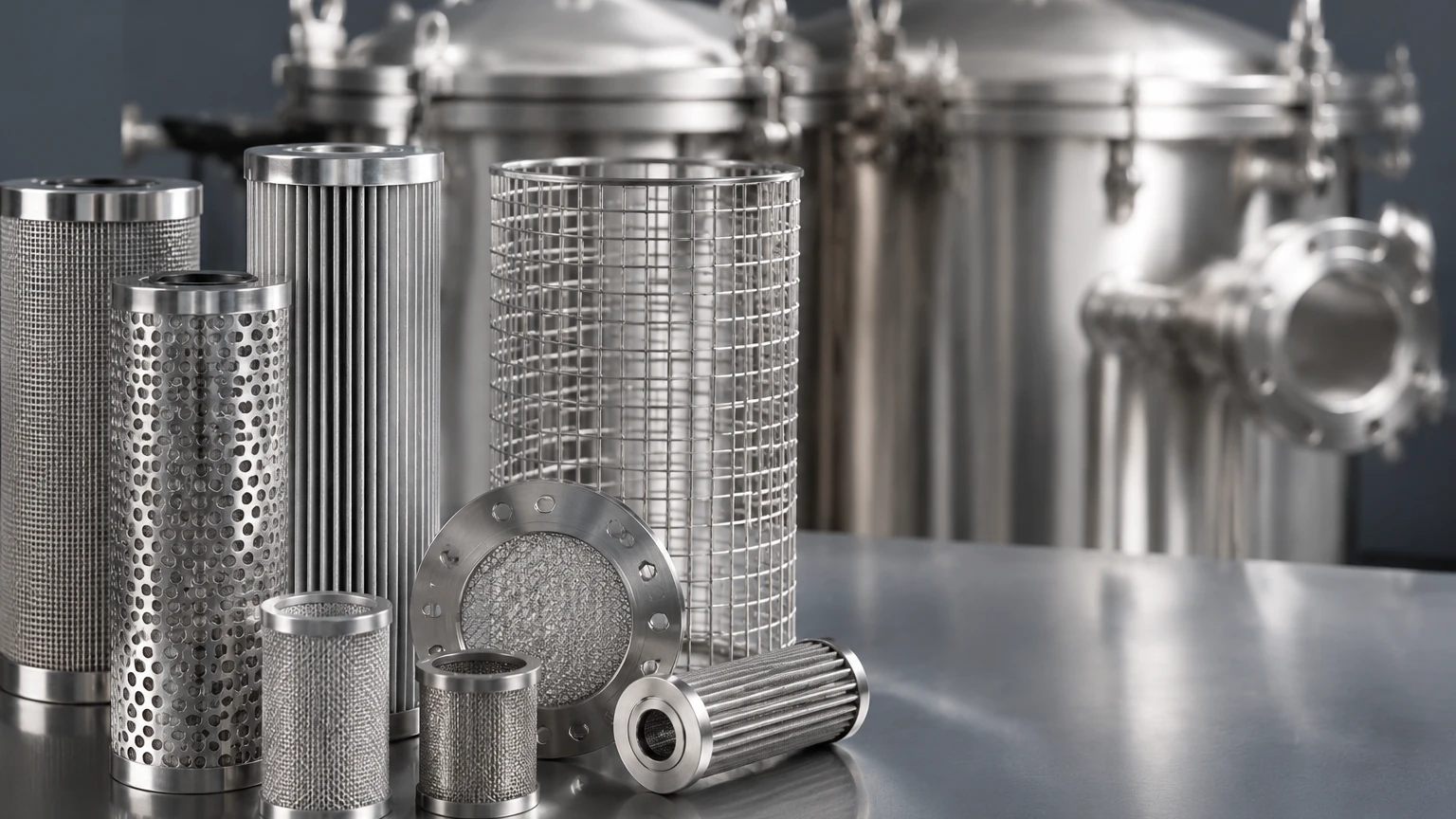
As a tank is emptied, air is drawn in from the surrounding environment. Without proper filtration, this air can introduce moisture, dust, and microbial contaminants. High-efficiency breather filters, often utilizing stainless steel wire mesh or pleated hydrophobic membranes, are installed on tank vents to ensure that only sterile, dry air enters the headspace. This is critical for maintaining the shelf life of moisture-sensitive chemicals.
Suction and Discharge Filtration
To protect downstream pumps and delicate processing equipment, filtration must occur at the point of discharge. Stainless steel filter cartridges and strainers are commonly used to remove any particulates that may have formed during storage, such as precipitates or scale. These filters must be selected based on the flow rate, viscosity, and chemical nature of the fluid to ensure they do not become a bottleneck in the process.
Protecting the Tank from Particulates
Conversely, when filling a tank, inlet filtration prevents contaminants from entering the storage vessel. By using custom-designed wire mesh filters, facilities can ensure that the "clean" side of the process remains uncontaminated, reducing the frequency of tank cleaning and the risk of batch rejection.
Customization and Engineering for Specific Applications
Unlike generic containers, industrial chemical storage tanks offer the advantage of bespoke engineering. Every application has unique requirements regarding temperature, pressure, and chemical reactivity, and the ability to customize the vessel is a key benefit for process engineers.
Thermal Management and Agitation
Many chemicals must be stored at specific temperatures to maintain their viscosity or prevent crystallization. Storage tanks can be equipped with heating or cooling jackets (dimple jackets or half-pipe coils) and internal insulation. Furthermore, integrated agitation systems ensure that the stored medium remains homogeneous, which is vital for paints, resins, and specialized chemical blends.
Specialized Fittings and Instrumentation
Customization extends to the placement of nozzles, manways, and sensor ports. Modern tanks are outfitted with sophisticated instrumentation for level sensing, temperature monitoring, and pH measurement. This data integration allows for automated inventory management and ensures that the chemical remains within its specified parameters throughout its storage duration.
Long-term Operational Efficiency and ROI
While the initial capital expenditure for a high-quality stainless steel chemical storage tank may be higher than for plastic alternatives, the long-term pros of chemical storage tanks made from metal are clear in the Return on Investment (ROI) analysis.
Reduced Maintenance and Downtime
Stainless steel tanks require minimal maintenance compared to lined carbon steel or plastic tanks, which may suffer from UV degradation or lining failure. The robustness of metal construction allows for high-pressure cleaning and the use of aggressive detergents without damaging the substrate. This results in less downtime for maintenance and a more reliable production schedule.
Scaling and Bulk Purchasing
Investing in large-scale storage allows companies to purchase chemicals in bulk, significantly reducing the per-unit cost of raw materials. It also provides a buffer against supply chain disruptions, ensuring that the production line can continue to operate even if there are delays in chemical deliveries.
Sustainability and Recyclability
From an environmental perspective, stainless steel is 100% recyclable. At the end of its long service life, the material can be reclaimed and reused, contributing to the circular economy. This is an increasingly important factor for corporations looking to meet sustainability goals and reduce their environmental footprint.
Conclusion: Strategic Selection for Industrial Performance
The pros of chemical storage tanks extend far beyond simple fluid containment. They are essential tools for ensuring product quality, operational safety, and process efficiency. By selecting the right materials, incorporating safety features, and integrating high-performance filtration components, engineers can create a storage solution that adds value to the entire production chain.
When planning a storage system, it is vital to work with manufacturers who understand the nuances of filtration and fluid dynamics. Components such as stainless steel wire mesh filters and precision cartridges play a silent but critical role in the success of a storage system. For those looking to optimize their filtration and storage setups, reviewing technical specifications and application support on our Main Page is a recommended next step. Investing in quality today ensures the reliability and safety of your industrial processes for decades to come.
