


Pvc Water Well Screen
In the field of groundwater extraction and industrial water supply, the selection of downhole components is a critical engineering decision that directly impacts the longevity, efficiency, and total cost of ownership of a well. A pvc water well screen serves as the primary intake mechanism, designed to allow water to enter the well while preventing the ingress of sand, silt, and formation materials. While various materials exist for well construction, PVC (Polyvinyl Chloride) has become a standard choice for a wide range of shallow to medium-depth applications due to its chemical inertness and cost-effectiveness.
For engineers and procurement professionals, understanding the technical boundaries of PVC screens is essential. This guide examines the mechanical properties, hydraulic performance, and selection criteria necessary to ensure that a chosen filtration solution meets the specific geological and chemical demands of an industrial site. For those seeking high-performance alternatives or custom industrial filtration components, visiting the Main Page of specialized manufacturers like Kaifil provides further insight into precision-engineered metal solutions.
The Role of PVC Screens in Groundwater Management
The primary function of a pvc water well screen is to act as a structural filter. In an unconsolidated aquifer, the screen must support the borehole against collapse while maintaining a high enough open area to permit laminar flow. If the screen is poorly designed or incorrectly specified, the resulting high-velocity flow can lead to "sand pumping," which causes premature wear on pumps and can eventually lead to the structural failure of the well.
Unlike solid casing, the screen is perforated or slotted. The design of these openings is a balance between mechanical strength and hydraulic efficiency. In industrial water treatment and municipal supply, the screen must also be compatible with well-development techniques, such as surging or jetting, which are used to remove fine particles from the area immediately surrounding the screen (the filter pack).
Technical Specifications and Manufacturing Standards
When specifying a pvc water well screen, engineers must look beyond basic dimensions. The mechanical performance of PVC is governed by its formulation and the manufacturing process. Most industrial-grade PVC screens are manufactured to meet ASTM F480 standards, which dictate the dimensions and performance requirements for thermoplastic well casing and screens.
Slot Design and Precision
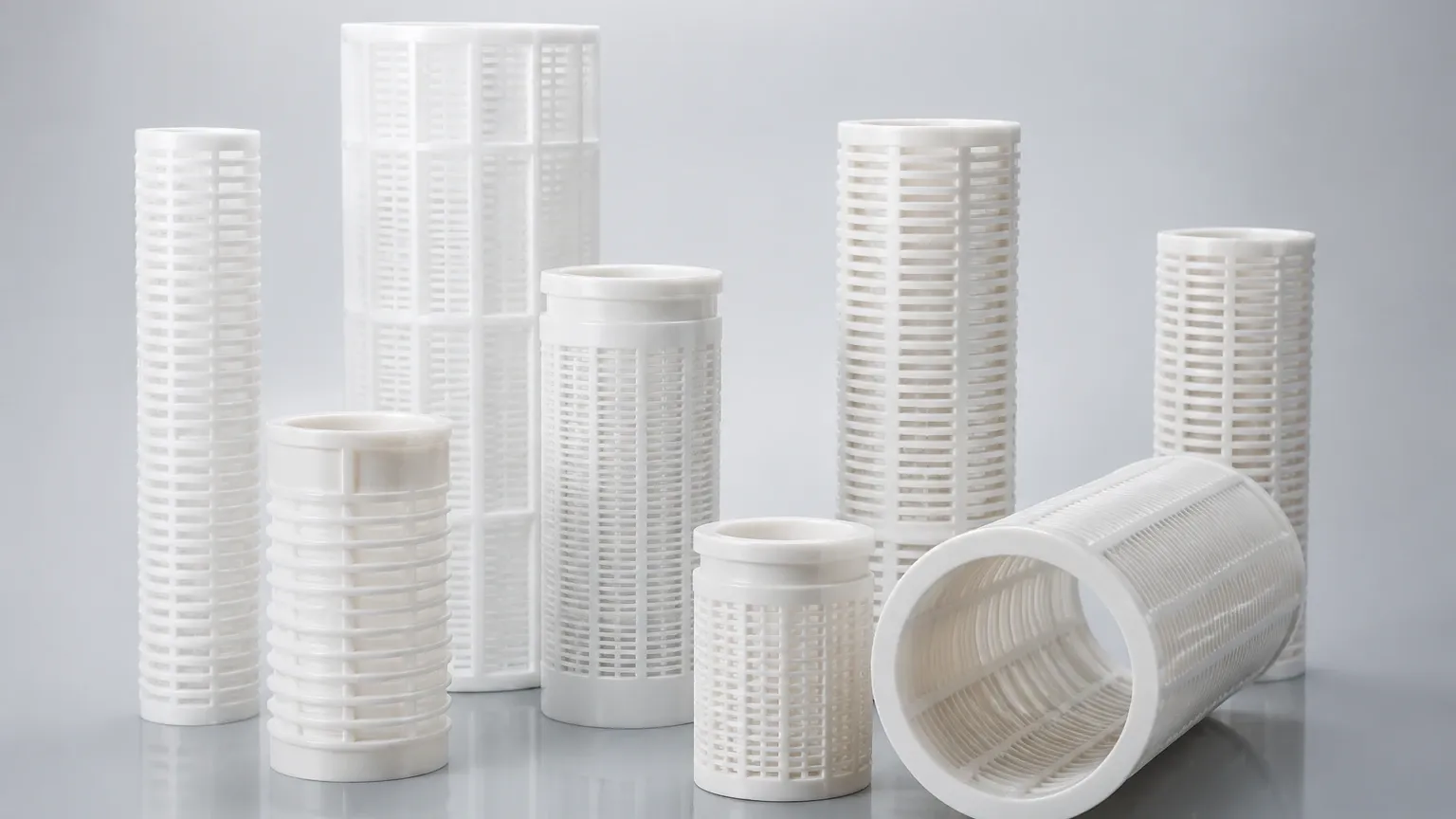
There are two primary types of PVC screens: machine-slotted and pipe-base screens. Machine-slotted screens feature horizontal or vertical slots cut precisely into the pipe wall. The width of these slots (often referred to in "slot size," such as 0.010 inch or 0.25 mm) must be selected based on a sieve analysis of the aquifer material or the artificial gravel pack. Precision in slotting is vital; inconsistent slot widths can lead to localized high-velocity zones that accelerate encrustation or sand entry.
Standard Dimension Ratio (SDR)
The SDR is a critical metric for determining the collapse strength of the screen. It is the ratio of the outer diameter of the pipe to its wall thickness. A lower SDR number indicates a thicker wall and, consequently, a higher resistance to external hydrostatic pressure. For deep wells or those located in areas with significant water level fluctuations, selecting the correct SDR is the difference between a functional well and a collapsed casing string.
Evaluating Hydraulic Efficiency and Open Area
Hydraulic efficiency is defined by how easily water can pass through the screen with minimal pressure drop (drawdown). The "total open area" of a pvc water well screen is the sum of the areas of all the slots. Generally, a higher open area is preferred because it reduces the entrance velocity of the water.
Entrance Velocity Calculations
To prevent the transport of sand and to minimize the rate of mineral incrustation, the entrance velocity should ideally be kept below 0.1 feet per second (0.03 meters per second). If the open area is too low, the velocity increases, creating turbulence. Turbulence not only encourages the precipitation of minerals like calcium carbonate but also increases the energy required to pump water to the surface.
Comparing Slot Configurations
While PVC screens are versatile, they typically offer less open area than continuous-slot wire-wrapped screens made from stainless steel. In high-yield industrial wells, engineers must calculate whether the PVC screen provides sufficient open area to maintain low entrance velocities. If the required yield exceeds the capacity of the PVC screen's open area, a move toward high-performance metal filtration components may be necessary to ensure long-term viability.
Comparative Analysis: PVC vs. Stainless Steel Filtration Components
In the broader context of industrial filtration, the choice between PVC and stainless steel is often dictated by the depth of the well and the chemistry of the water. While this article focuses on the pvc water well screen, it is important to understand where it sits in the hierarchy of filtration technology.
1. Corrosion Resistance: PVC is immune to electrochemical corrosion, making it ideal for highly acidic or saline environments where carbon steel would fail. However, stainless steel (specifically 304 or 316L grades) offers similar or superior resistance in a wider range of temperatures and chemical exposures.
2. Mechanical Strength: Stainless steel has a much higher tensile strength and collapse resistance than PVC. In deep-well applications (typically over 500-1000 feet), the weight of the casing string and the external pressures often exceed the physical limits of PVC, necessitating metal screens.
3. Temperature Sensitivity: PVC loses structural integrity as temperatures rise. In geothermal applications or industrial processes involving hot water, metal filters are the only viable option.
4. Customization: While PVC can be slotted to various sizes, stainless steel wire-wrapped screens allow for much finer control over slot geometry and higher precision in filtration accuracy, a specialty of manufacturers like Kaifil.
For technical teams weighing these options, reviewing the Main Page of a dedicated filtration manufacturer can provide the data needed to compare these material properties against specific project requirements.
Installation Best Practices and Mechanical Constraints
The installation of a pvc water well screen requires careful handling to avoid mechanical damage. Unlike steel, PVC is susceptible to brittle fracture if handled roughly in cold temperatures or if subjected to excessive torque during joining.
Jointing Methods
Most industrial PVC screens use threaded connections (flush-joint or integral-bell) to ensure a watertight seal and maintain a consistent outer diameter. Solvent welding is rarely recommended for deep wells because the chemicals in the solvent can leach into the water and the joints may not provide sufficient tensile strength to support the weight of the screen and casing during installation.
Centralization
To ensure an even distribution of the gravel pack around the screen, centralizers should be used. This prevents the screen from resting against the borehole wall, which would create a "blind spot" where no filtration occurs, leading to uneven flow and potential screen failure.
Risk Mitigation and Maintenance Requirements
No well screen is permanent, but proper selection can extend its life by decades. The primary risks associated with a pvc water well screen include collapse, incrustation, and biofouling.
* Incrustation: This occurs when minerals precipitate out of the water and clog the slots. While PVC is smoother than steel and less prone to scale buildup, it is not immune. Because PVC is sensitive to heat and certain chemicals, the methods used to rehabilitate the well (such as acid washing or high-pressure jetting) must be carefully chosen to avoid damaging the screen.
* Biofouling: Iron-reducing bacteria and other microbes can create a biofilm over the screen slots. PVC's chemical resistance allows for chlorination treatments, but the engineer must ensure that the concentration and contact time do not degrade the thermoplastic material.
* Mechanical Collapse: If the water level inside the well drops significantly below the level outside (high drawdown), the resulting differential pressure can exceed the collapse rating of the PVC. Monitoring drawdown is essential for the safety of PVC-screened wells.
Procurement Guide: Essential Data for Engineers
Before finalizing a purchase order for a pvc water well screen, the following technical data points should be confirmed with the supplier:
1. Sieve Analysis Results: Ensure the slot size is matched to the formation or filter pack grain size (typically retaining 90% of the pack material).
2. Collapse Pressure Rating: Verify that the SDR of the pipe is sufficient for the maximum expected hydrostatic head.
3. Tensile Strength: Confirm the joints can support the total weight of the submerged casing string plus a safety factor.
4. Chemical Compatibility: Check the PVC grade against any known contaminants or planned well-cleaning chemicals.
5. Total Open Area: Calculate the expected entrance velocity based on the planned pumping rate to ensure it remains within laminar flow limits.
For complex industrial projects where standard PVC may not suffice, seeking a customized solution is often the most cost-effective path in the long run. Professional manufacturers provide a range of stainless steel and precision metal filtration options that complement or replace thermoplastic components in demanding environments. You can explore these advanced options on the Main Page of the Kaifil website to compare performance metrics and engineering support services.
In conclusion, while the pvc water well screen is a robust and economical choice for many water supply applications, its success depends on rigorous engineering calculations and an understanding of its material limitations. By adhering to ASTM standards, calculating hydraulic loads accurately, and considering the long-term maintenance needs, technical teams can ensure a reliable and efficient water supply for their industrial operations.
