


Quartz Fin
In high-purity industrial environments, the integration of specialized materials is essential to maintain the integrity of complex processes. One such component that often requires precise engineering and material selection is the quartz fin. While primarily recognized for its role in thermal management and chemical processing, the quartz fin serves as a critical interface in systems where high-temperature stability and chemical inertness are non-negotiable. For engineers and procurement specialists managing filtration and fluid handling systems, understanding the technical nuances of quartz fin structures—and how they interact with precision metal filtration components—is vital for optimizing system longevity and performance.
Industrial filtration often operates at the intersection of extreme temperatures and corrosive chemistries. In these scenarios, standard materials may fail, leading to contamination or structural breakdown. Quartz, specifically fused silica, offers unique advantages that complement the durability of stainless steel filters. This guide explores the engineering considerations, application landscapes, and selection criteria for quartz fin components within industrial frameworks.
Understanding the Role of Quartz Fin Structures in Industrial Systems
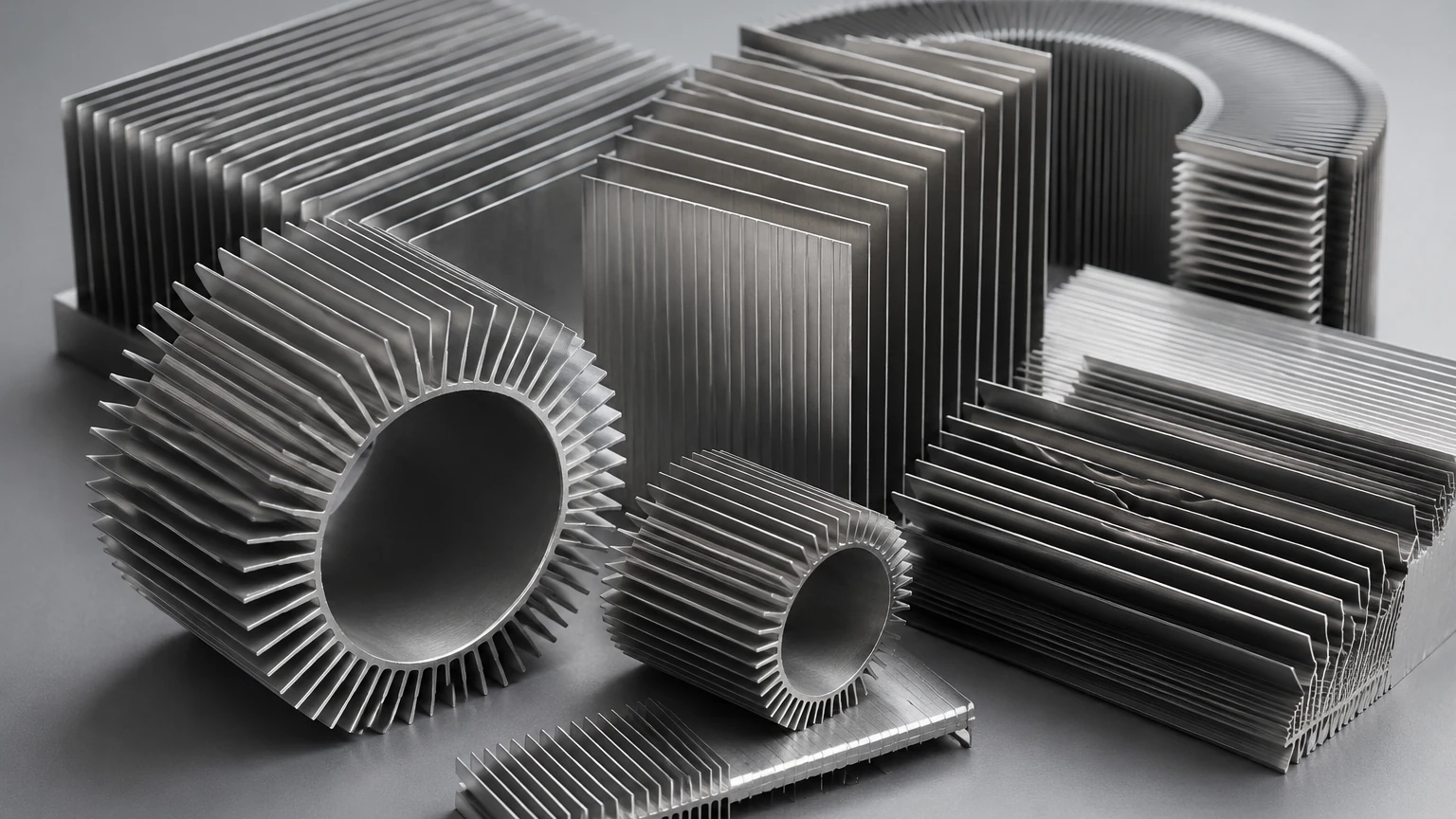
A quartz fin is typically a structural or heat-exchange element made from high-purity fused quartz. Its design, characterized by extended surfaces or "fins," is engineered to maximize surface area for heat dissipation, light transmission, or structural support within high-temperature reactors and chemical processing chambers. Unlike metallic fins, quartz fins are utilized when the process fluid or gas is highly reactive or when the environment requires transparency to specific wavelengths, such as ultraviolet (UV) light.
In the context of industrial filtration, quartz fins are frequently found in heating assemblies that precede filtration stages. For instance, in semiconductor manufacturing or specialized chemical vapor deposition (CVD) processes, gases must be maintained at precise temperatures to prevent premature condensation or to facilitate specific reactions. The quartz finned structure allows for efficient thermal transfer without introducing metallic contaminants into the high-purity gas stream. When these systems transition to the filtration phase, they often rely on custom stainless steel components, such as those found on the Main Page of specialized manufacturers, to ensure particulate removal without compromising the thermal profile established by the quartz elements.
Material Properties and Engineering Advantages
The selection of quartz for finned structures is driven by several unique physical and chemical properties that distinguish it from industrial alloys. For engineers, these properties dictate the operational boundaries of the entire system.
Thermal Stability and Shock Resistance
Quartz is renowned for its exceptionally low coefficient of thermal expansion (CTE). This allows quartz fin components to withstand rapid temperature fluctuations—thermal shock—that would cause ceramic or metal components to crack or deform. In processes where heaters are cycled frequently, the quartz fin maintains its dimensional stability, ensuring consistent flow dynamics and heat distribution.
Chemical Inertness
In many chemical processing applications, the primary challenge is preventing the material of the equipment from reacting with the process media. Quartz is virtually inert to most acids (with the exception of hydrofluoric and phosphoric acids at high temperatures). This makes it an ideal material for finned heat exchangers or support structures in environments where even high-grade stainless steel might eventually suffer from localized corrosion or ion leaching.
Optical Clarity and UV Transmission
Unlike metal fins, quartz fins can transmit light. This is critical in photochemical reactors or water treatment systems where UV sterilization is integrated with filtration. The finned design can help direct light or provide structural support for UV lamps while resisting the solarization that affects lower-quality glass.
Integrating Quartz Fins with Stainless Steel Filtration
A common engineering challenge is the integration of quartz components with metal filtration systems. Because quartz and stainless steel have vastly different mechanical properties, the interface between a quartz finned assembly and a stainless steel filter cartridge must be carefully managed.
Managing Thermal Expansion Mismatch
While quartz has a low CTE, stainless steel expands significantly when heated. When a quartz finned heater is coupled with a stainless steel filter housing, engineers must utilize specialized seals and expansion joints. Failure to account for this difference can lead to the quartz component shattering or the seals failing, resulting in bypass—where unfiltered fluid escapes the system.
Structural Support and Vibration Damping
Quartz is brittle. In high-flow industrial applications, the mechanical vibrations generated by pumps or turbulent flow can pose a risk to quartz fin structures. Integrating these components requires robust mounting systems that often involve precision-machined metal supports. Manufacturers specializing in custom filtration solutions provide the necessary metal housings and internal supports that protect the fragile quartz elements while maintaining the required filtration accuracy.
Key Evaluation Criteria for Procurement
When sourcing quartz fin components or the filtration systems that accompany them, technical buyers should evaluate several critical factors to ensure total cost of ownership is minimized and system reliability is maximized.
1. Purity Levels: For semiconductor and pharmaceutical applications, the purity of the fused quartz is paramount. Trace elements like aluminum, iron, or magnesium must be kept to parts-per-million (PPM) levels to prevent process contamination.
2. Dimensional Tolerances: The effectiveness of a finned structure depends on its geometry. Precise thickness, spacing, and alignment of the fins are necessary for predictable thermal and fluid performance. Engineers should verify that the manufacturer uses CNC machining or precision flame-polishing to achieve these tolerances.
3. Surface Finish: The roughness of the quartz surface can influence both fluid friction and the ease of cleaning. A fire-polished finish is often preferred for high-purity applications to minimize the surface area available for bacterial growth or particulate entrapment.
4. Compatibility with Filter Media: If the quartz fin is part of a filtration assembly, it must be compatible with the micron rating and flow requirements of the stainless steel wire mesh or sintered metal filters used in the system.
Common Risks and Mitigation Strategies
Operating systems that utilize quartz fin components involves inherent risks that must be addressed through proactive engineering and maintenance protocols.
Mechanical Fragility
The most significant risk is mechanical failure due to impact or over-torquing during installation. Unlike metal components, quartz does not deform before it breaks. Training installation teams on the specific handling requirements of quartz-to-metal interfaces is essential. Using torque-limiting tools and soft-gasket materials (such as PTFE or high-purity silicone) can mitigate this risk.
Devitrification
At sustained temperatures above 1100°C, quartz can undergo devitrification—a process where the amorphous silica transitions into a crystalline state (cristobalite). This changes the physical properties of the quartz fin, making it more brittle and prone to failure upon cooling. Engineers must ensure that the operating temperatures remain within the safe limits for the specific grade of quartz selected.
Contamination from Handling
Quartz is highly sensitive to surface contamination. Even skin oils can cause "fingerprint etching" at high temperatures, which acts as a nucleation point for devitrification or structural weakness. Strict cleanroom handling protocols and pre-installation cleaning with high-purity solvents are standard requirements for these components.
Maintenance and Replacement Cycles
In a B2B industrial setting, downtime is a major cost driver. Establishing a predictable maintenance cycle for quartz fin assemblies and their associated stainless steel filters is crucial. Quartz components should be visually inspected for micro-cracks or surface clouding (an indicator of devitrification or chemical attack) during every filter change-out.
While stainless steel filter cartridges can often be cleaned and reused—using methods like ultrasonic cleaning or backpulsing—quartz components are generally replaced if structural integrity is questioned. However, because quartz is so chemically resistant, it often outlasts the metal components in highly corrosive environments, provided it is protected from mechanical shock.
Conclusion: Selecting the Right Partners
The successful implementation of quartz fin structures in industrial filtration and thermal systems requires a deep understanding of material science and mechanical engineering. Engineers must balance the superior chemical and thermal properties of quartz with the structural reliability of metal filtration components.
When designing or upgrading these systems, it is essential to work with manufacturers who understand the complexities of custom filtration. By sourcing high-quality stainless steel filter cartridges and precision-machined housings that interface seamlessly with quartz components, industrial operations can achieve higher purity levels and greater process stability. For those seeking to explore the full range of custom metal filtration solutions that support these advanced applications, visiting the Main Page of a dedicated manufacturer provides the technical foundation needed to make informed decisions.
Ultimately, the synergy between specialized materials like quartz and the proven durability of stainless steel filtration is what enables the most demanding industrial processes to function efficiently and safely.
