


Replacement Industrial Dust Collector Bags
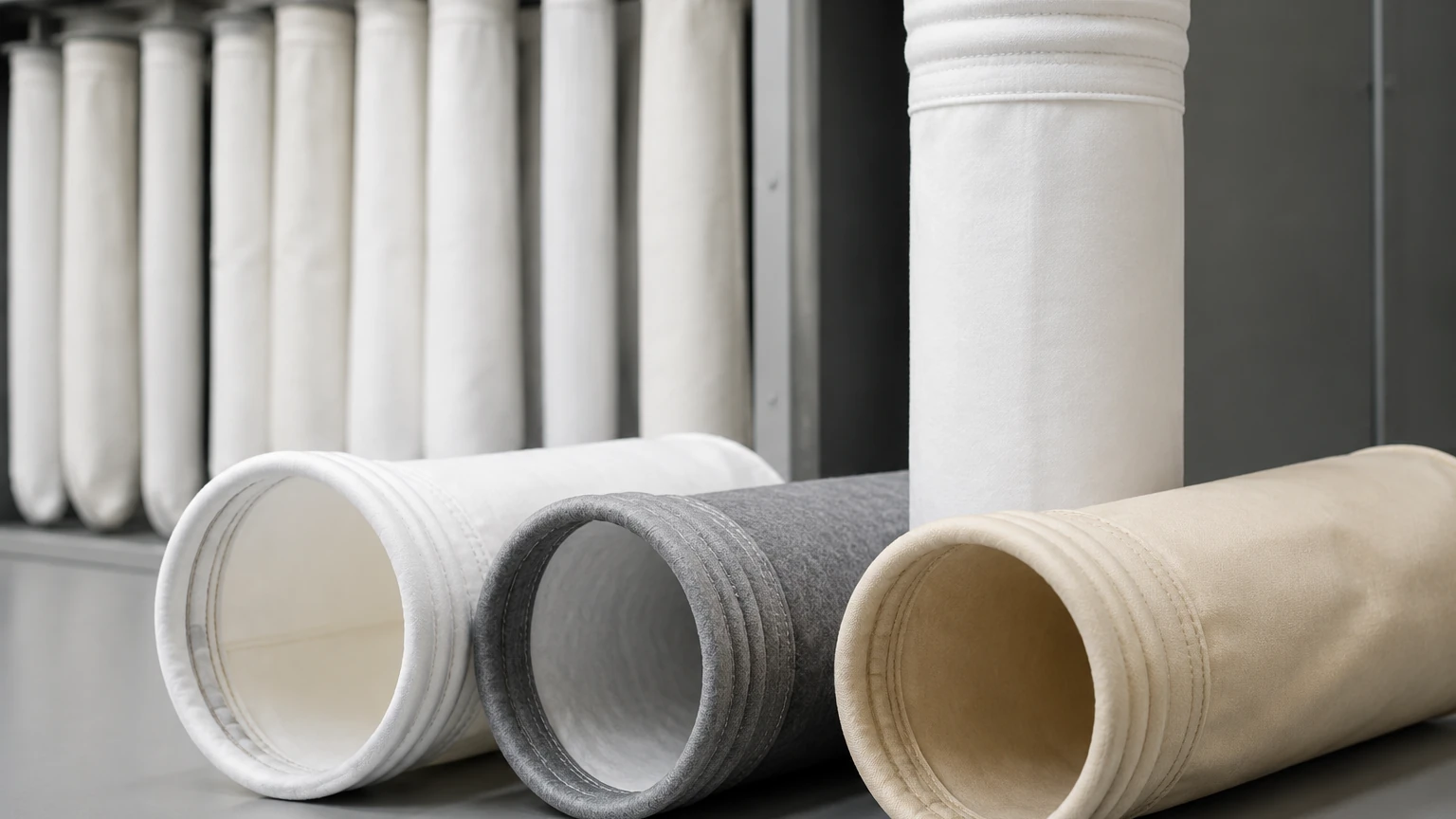
In industrial environments, the efficiency of air filtration systems is directly tied to the performance of the filter media. Dust collection systems, whether pulse-jet, shaker, or reverse-air, rely on filter bags to capture particulate matter before air is recirculated or exhausted into the atmosphere. Over time, these media components degrade due to mechanical wear, chemical exposure, and thermal stress. Procuring high-quality replacement industrial dust collector bags is not merely a maintenance task; it is a critical engineering decision that affects the total cost of ownership (TCO), system uptime, and compliance with environmental regulations.
For engineers and procurement professionals, selecting the correct replacement requires a deep understanding of the application's specific variables. This guide examines the technical considerations, material sciences, and performance metrics necessary to optimize dust collection through informed filter selection.
Engineering Fundamentals of Industrial Dust Collection
Industrial dust collectors operate as the primary defense against airborne contaminants in sectors such as chemical processing, food and beverage, and pharmaceutical manufacturing. The filter bag acts as the separation barrier. When selecting replacement industrial dust collector bags, it is essential to match the media to the specific cleaning mechanism of the baghouse.
1. Pulse-Jet Systems: These utilize high-pressure compressed air to dislodge the dust cake from the exterior of the bag. These bags are typically supported by internal metal cages. The replacement bags must have high dimensional stability to withstand the frequent expansion and contraction caused by the air pulses.
2. Shaker Systems: These collect dust on the inside of the bag. The top of the bag is suspended from a shaking mechanism that mechanically vibrates the media to release the dust. These bags require high tensile strength in the vertical direction.
3. Reverse-Air Systems: These also collect dust on the inside, using a low-pressure fan to blow air in the reverse direction, collapsing the bag to release the cake. These often incorporate anti-collapse rings.
Understanding these dynamics is the first step in ensuring that the replacement media can withstand the mechanical stresses unique to the existing hardware.
Material Science in Replacement Industrial Dust Collector Bags
The chemical and thermal environment of the dust collector dictates the material composition of the replacement bag. A mismatch between the gas stream chemistry and the bag material can lead to premature failure, often within weeks of installation.
Synthetic Fibers
* Polyester (PE): The most common material for ambient temperature applications (up to 275°F). It offers excellent dimensional stability and good resistance to most oxidizing agents, though it is susceptible to hydrolysis in high-moisture environments.
* Polypropylene (PP): Ideal for lower-temperature applications (up to 190°F) where chemical resistance is paramount. It excels in both acid and alkali environments but has poor resistance to ultraviolet light.
* Aramid (Nomex): A high-temperature fiber capable of operating up to 400°F. It is widely used in asphalt plants and metal processing but is sensitive to moisture and high-acid concentrations.
* PPS (Polyphenylene Sulfide): Often used in coal-fired boilers, PPS provides excellent resistance to acids and alkalis and can handle temperatures up to 375°F. It is, however, sensitive to high oxygen levels.
* PTFE (Teflon): The gold standard for chemical resistance and high-temperature performance (up to 500°F). While expensive, PTFE bags offer superior cake release and are virtually inert to chemical attack.
Specialized Coatings and Finishes
To enhance performance, replacement industrial dust collector bags often feature specialized treatments. For example, an oleophobic finish helps the bag resist oil and moisture, preventing "blinding" (the permanent clogging of the pores). Antistatic treatments, such as the inclusion of epitaxial carbon fibers or stainless steel wires, are critical in applications involving combustible dusts where static discharge could lead to an explosion.
Critical Performance Metrics for Selection
When evaluating replacement options, engineers must look beyond the material type and focus on the technical specifications that define filtration efficiency and longevity.
Air-to-Cloth Ratio
The air-to-cloth (A/C) ratio represents the volume of air passing through one square foot of filter media per minute (expressed in CFM/sq. ft.). A high A/C ratio puts more stress on the bags and can lead to higher pressure drops and shorter bag life. When selecting replacement bags, ensure the media’s permeability is compatible with the system's design A/C ratio.
Micron Rating and Efficiency
Filtration efficiency is determined by the pore size of the media. While many industrial applications focus on a specific micron rating, it is important to distinguish between surface filtration (where the dust cake does the filtering) and depth filtration. For high-purity applications, such as those found in the pharmaceutical industry, membrane-laminated bags (like ePTFE) provide high efficiency for sub-micron particles.
Weight and Density
Industrial filter bags are typically measured in ounces per square yard (oz/sq. yd). A heavier felt (e.g., 16 oz vs. 12 oz) generally provides better filtration and higher durability but may increase the initial pressure drop. The density of the needle-felt construction affects how deeply particles penetrate the media.
Identifying the Need for Replacement
Operating a dust collector with compromised bags leads to increased energy consumption, potential fines for emissions violations, and damage to downstream equipment like fans and blowers. Key indicators that it is time for replacement industrial dust collector bags include:
* Elevated Differential Pressure (DP): If the pressure drop across the baghouse remains high even after a cleaning cycle, the bags are likely "blinded." This occurs when fine particles become embedded so deeply in the fibers that they cannot be removed.
* Visible Emissions: Dust leaking from the exhaust stack is a clear sign of a hole or a failed seal. Even a single torn bag can significantly increase the grain loading in the exhaust stream.
* Reduced Airflow at Source: If suction at the pickup points (hoods) decreases, the system is struggling to pull air through the clogged filter media, which can lead to hazardous dust accumulation in the workspace.
Beyond Fabric: The Role of Stainless Steel Filtration Components
In many demanding industrial sectors, traditional fabric or felt bags are insufficient. High-pressure environments, extreme temperatures exceeding 500°F, or highly corrosive chemical processes require more robust solutions. This is where precision metal filtration becomes essential. For organizations looking for advanced filtration components that go beyond standard fabric bags, visiting the Main Page of a specialized manufacturer like Kaifil provides insights into stainless steel wire mesh and sintered metal solutions.
Stainless steel filter cartridges and wire mesh components offer several advantages over traditional bags in specific contexts:
1. Thermal Stability: Metal filters can operate in temperatures that would incinerate synthetic fibers.
2. Cleanability: Unlike fabric bags that may need to be discarded once blinded, stainless steel filters can often be cleaned through ultrasonic baths, chemical cleaning, or high-pressure backwashing, extending their service life significantly.
3. Structural Integrity: In high-pressure hydraulic or gas filtration, metal components maintain their shape and filtration accuracy without the risk of fiber migration into the process stream.
When replacement industrial dust collector bags are failing prematurely due to heat or chemical degradation, transitioning to a custom-engineered stainless steel filtration solution may be the most cost-effective long-term strategy.
Installation and Operational Best Practices
The longevity of replacement industrial dust collector bags is heavily influenced by how they are installed and maintained. Even the highest quality PTFE bag will fail if installed incorrectly.
* Proper Tensioning: In shaker and reverse-air systems, bags must be tensioned according to the manufacturer’s specifications. Over-tensioning leads to mechanical tearing, while under-tensioning allows the bag to rub against adjacent bags or the housing.
* Cage Inspection: For pulse-jet systems, the metal cages must be inspected for corrosion or broken wires. A burr on a cage can slice through a new bag during the first few pulses.
* Pre-Coating: Before starting a system with new bags, it is often beneficial to "pre-coat" the media with a neutral powder (like agricultural lime or volcanic ash). This creates an initial protective layer that prevents fine dust from embedding in the fibers, facilitating better cake release from day one.
Strategic Sourcing and OEM Customization
For many B2B buyers, the challenge lies in finding a supplier that understands the nuances of their specific industrial application. Standard off-the-shelf bags may not provide the necessary performance for specialized chemical or food processing lines. Partnering with a manufacturer that offers OEM and customized filtration solutions ensures that the replacement components—whether they are fabric bags or precision metal filters—are engineered for the exact chemical, thermal, and mechanical loads of the system.
Kaifil, as a professional manufacturer of custom stainless steel filtration solutions, supports industries by providing durable, high-performance components designed for demanding environments. By focusing on material selection and filtration accuracy, manufacturers help engineers reduce downtime and optimize the efficiency of their dust collection and fluid processing systems.
Conclusion
Selecting replacement industrial dust collector bags is a technical process that requires balancing material properties with operational demands. By monitoring system performance and understanding the failure modes of existing media, maintenance teams can make informed decisions that improve air quality and reduce operational costs. In scenarios where traditional media fails to meet the rigors of the process, exploring advanced metal filtration options ensures that industrial systems remain compliant and efficient for years to come.
Download Replacement Industrial Dust Collector Bags as a PDF
