


Rotary Drum Vacuum Filters
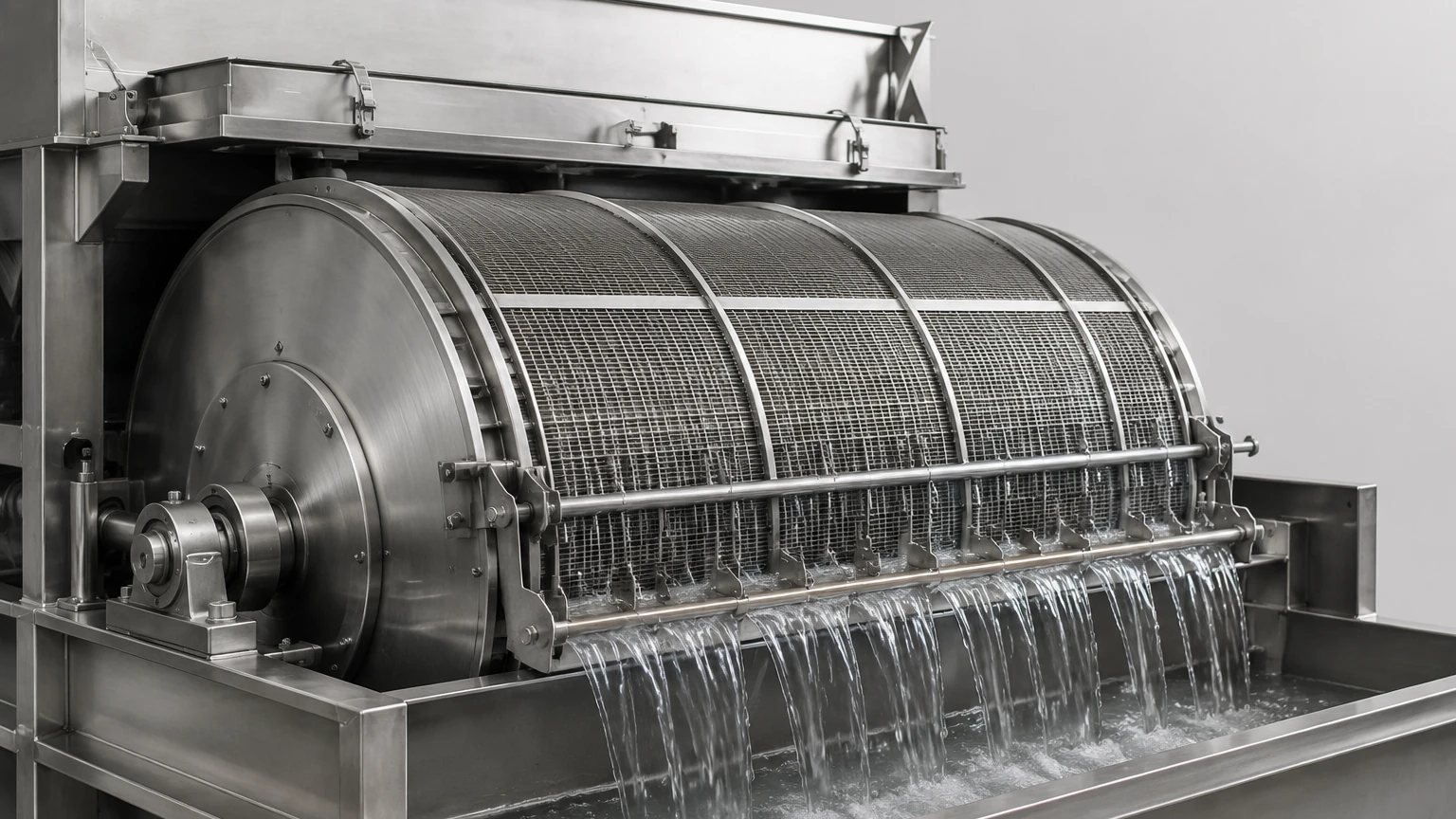
Rotary drum vacuum filters (RDVFs) represent one of the most established and reliable technologies for continuous solid-liquid separation in industrial processing. Used extensively across the chemical, pharmaceutical, mining, and food and beverage sectors, these systems are designed to handle large volumes of slurry with varying solids concentrations. For engineering and procurement teams, understanding the mechanical nuances, material requirements, and the critical role of the filter media is essential for optimizing process efficiency and ensuring long-term equipment durability.
At the core of an RDVF’s performance is the interface between the slurry and the filter medium. As a specialized manufacturer of stainless steel filtration solutions, Kaifil provides the precision-engineered components necessary to maintain high throughput and filtration accuracy in these demanding environments. For more detailed technical specifications on filtration components, you can visit the Main Page.
The Mechanics of Continuous Filtration
The fundamental advantage of rotary drum vacuum filters is their ability to operate continuously. Unlike batch filtration systems, such as plate and frame presses, the RDVF completes a full cycle of cake formation, washing, drying, and discharge in a single rotation of the drum.
The Filtration Cycle
1. Cake Formation: The drum is partially submerged in a vat containing the slurry. A vacuum is applied to the interior of the drum, drawing the liquid (filtrate) through the filter medium while the solids are deposited on the outer surface to form a "filter cake."
2. Cake Washing: As the drum rotates out of the vat, the cake may be subjected to wash liquor to remove impurities or to recover additional soluble products. This is critical in chemical and pharmaceutical applications where product purity is paramount.
3. Cake Drying: Continued vacuum application pulls air through the cake, reducing its moisture content to the desired level before discharge.
4. Cake Discharge: The dried cake is removed from the drum surface using various mechanical methods, preparing the filter medium for the next cycle.
Each of these stages is governed by the rotational speed of the drum, the level of vacuum applied, and the permeability of the filter media. Engineering the correct balance between these variables determines the overall capacity and efficiency of the system.
Critical Role of Filter Media in Rotary Drum Vacuum Filters
The filter medium is the most critical component of the RDVF, as it directly influences the clarity of the filtrate and the moisture content of the cake. In many industrial applications, traditional cloth media are being replaced or supplemented by stainless steel wire mesh due to its superior mechanical strength and chemical resistance.
Advantages of Stainless Steel Mesh
For rotary drum vacuum filters, using high-quality stainless steel wire mesh offers several technical advantages:
* Dimensional Stability: Unlike synthetic fabrics, stainless steel mesh does not stretch or sag under vacuum pressure. This ensures a uniform cake thickness across the entire drum surface.
* Thermal and Chemical Resistance: In chemical processing, slurries may be highly acidic, alkaline, or at elevated temperatures. Stainless steel (specifically grades 316L or 904L) provides the necessary corrosion resistance to prevent premature failure.
* Precision Filtration: Advanced weaving techniques allow for precise control over pore size and distribution. This is essential for applications requiring a specific micron rating to prevent "blinding" (clogging) of the filter surface.
* Ease of Cleaning: Stainless steel surfaces are more conducive to automated cleaning systems, such as back-pulsing or high-pressure spray bars, which extend the service life of the media.
Discharge Methods and Application Suitability
The method used to remove the cake from the rotary drum vacuum filters significantly impacts the system's design and the choice of filter media. Engineers must select a discharge mechanism based on the physical characteristics of the solids being processed.
Scraper Discharge
This is the most common method, where a stationary blade (scraper) is positioned close to the drum. As the drum rotates, the scraper deflects the cake into a discharge chute. This method is ideal for relatively thick, non-sticky cakes. However, it requires a robust filter medium that can withstand the mechanical proximity of the blade.
Roller Discharge
For thin, tacky, or sticky cakes that do not easily release from the drum, a roller discharge is used. A small-diameter roller, rotating in the opposite direction of the drum, "picks up" the cake through adhesion. The cake is then scraped off the roller. This method is frequently used in the chemical and mineral industries.
Belt Discharge
In a belt discharge system, the filter medium is a continuous belt that leaves the drum, passes over a series of rollers for cake discharge and cloth washing, and then returns to the drum. This is particularly effective for slurries that tend to blind the filter media, as the belt can be thoroughly cleaned on both sides during every revolution.
Precoat Discharge
When the solids are extremely fine or the filtrate clarity requirements are exceptionally high, a precoat of diatomaceous earth or perlite is applied to the drum. A knife-edge scraper slowly advances into the precoat layer, shaving off the filtered solids along with a thin layer of the precoat material. This ensures a fresh filtration surface at all times.
Engineering Considerations for Material Selection
Selecting the right materials for rotary drum vacuum filters involves a detailed analysis of the operating environment. The drum, internal piping, and filter media must be compatible with the process fluid to prevent galvanic corrosion and mechanical fatigue.
Metallurgy and Corrosion Resistance
* AISI 304/304L: Suitable for general industrial water treatment and non-corrosive food processing.
* AISI 316/316L: The industry standard for chemical and pharmaceutical applications, offering enhanced resistance to chlorides and organic acids.
* Duplex Stainless Steels: Used in high-stress environments or where high concentrations of chlorides are present, providing superior strength and pitting resistance.
Structural Integrity
The drum must be engineered to withstand the external pressure of the vacuum without deformation. Furthermore, the internal drainage grids—which support the filter media—must be designed to minimize hydraulic resistance, allowing the filtrate to flow freely toward the central valve head.
Operational Optimization and Maintenance
To maximize the ROI of rotary drum vacuum filters, facility managers must focus on operational parameters and proactive maintenance. Small adjustments in vacuum levels or drum speed can lead to significant improvements in cake dryness and filtrate quality.
Monitoring Filtration Resistance
As the filter media ages, filtration resistance typically increases due to sub-surface blinding. Monitoring the pressure differential across the drum surface is a reliable way to determine when the filter media requires intensive cleaning or replacement. High-quality stainless steel components from Kaifil are designed to minimize these maintenance intervals by resisting permanent blinding.
Replacement Cycles
The replacement cycle for filter media in an RDVF depends on the abrasiveness of the slurry and the cleaning frequency. While synthetic cloths may need replacement every few weeks or months, precision-engineered stainless steel mesh can last significantly longer, reducing downtime and labor costs. Engineers should evaluate the total cost of ownership (TCO), including the cost of lost production during media changes, rather than focusing solely on the initial purchase price.
Customization and OEM Solutions
Every industrial process has unique requirements, from specific micron ratings to custom drum dimensions. Standardized filtration products often fall short of meeting the rigorous demands of specialized chemical or pharmaceutical lines. This is where custom manufacturing becomes a necessity.
Kaifil specializes in providing OEM and customized filtration solutions tailored to the specific needs of rotary drum vacuum filters. By working closely with engineering teams, we develop filter components that optimize hydraulic flow and maximize solids recovery. Whether you require a specific weave pattern for a belt discharge system or a custom-sized stainless steel cartridge for internal filtrate polishing, our manufacturing capabilities ensure precision and reliability.
For engineers looking to specify or replace components for their filtration systems, reviewing the available material options and technical configurations is the first step toward optimization. You can explore our full range of capabilities on our Main Page.
Conclusion
Rotary drum vacuum filters remain a cornerstone of industrial liquid-solid separation due to their continuous operation and versatility. However, the performance of these systems is inextricably linked to the quality of their components—most notably the filter media. By selecting high-grade stainless steel filtration solutions and the appropriate discharge mechanism, companies can achieve higher purity levels, drier cakes, and lower operational costs. As industrial requirements become more stringent, the focus on precision engineering and durable materials will continue to be the primary driver of filtration efficiency.
