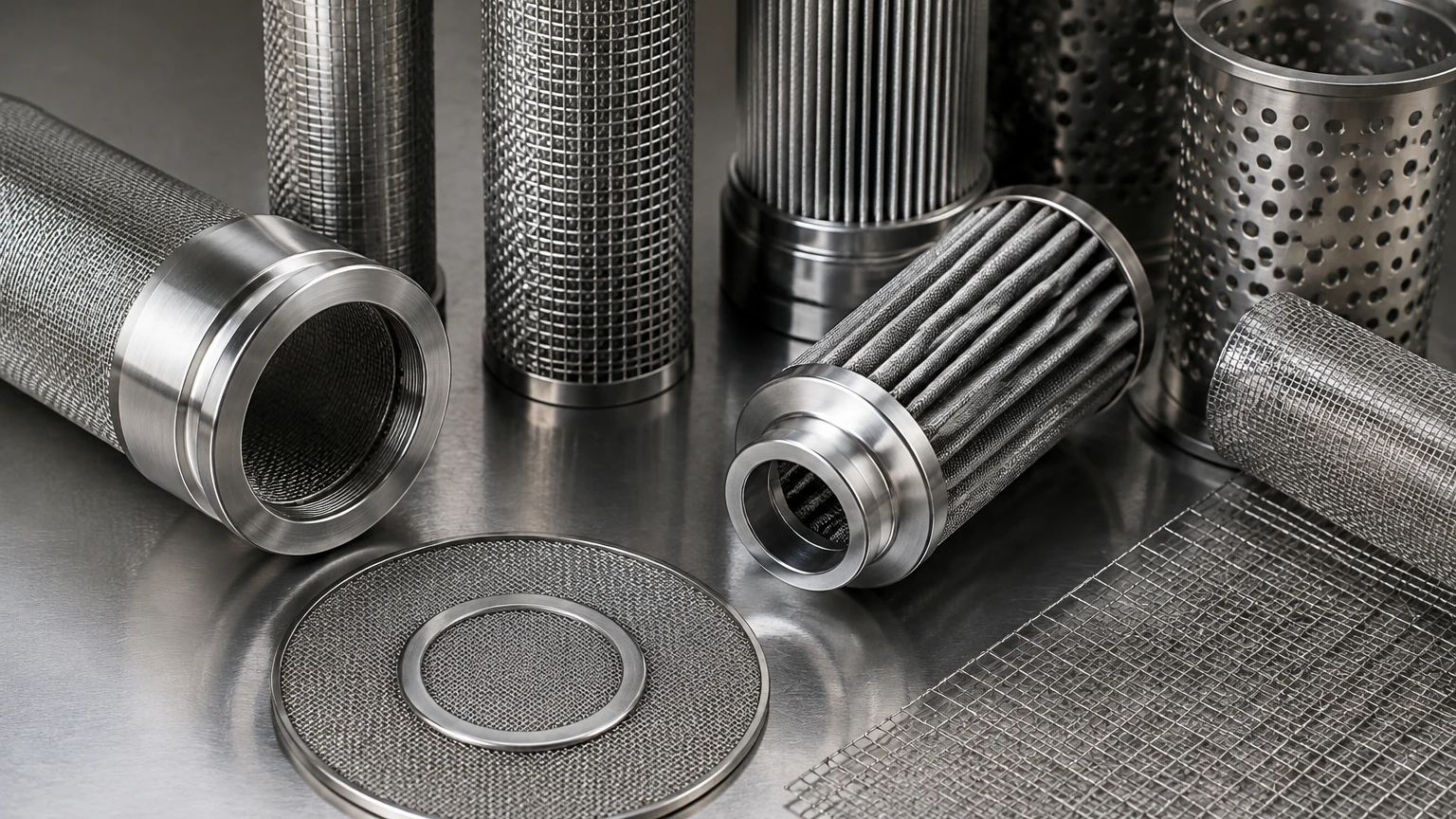
Sanitary 3a
In the realm of industrial processing, particularly within the food, beverage, dairy, and pharmaceutical sectors, the term "sanitary 3a" represents a critical benchmark for equipment design and hygiene. For engineers and procurement professionals, understanding the nuances of these standards is essential when selecting filtration components that must not only perform efficiently but also ensure the highest levels of product safety and contamination control. At Kaifil, we specialize in manufacturing custom stainless steel filtration solutions that adhere to the rigorous requirements of modern sanitary environments.
The Fundamentals of Sanitary 3A Standards
The 3-A Sanitary Standards are a set of criteria developed by 3-A Sanitary Standards, Inc. (SSI), a non-profit organization dedicated to enhancing food safety through hygienic equipment design. The primary objective of these standards is to protect the consumer from potential contamination by ensuring that equipment is easy to clean, inspect, and maintain.
When a component is described as meeting sanitary 3a requirements, it signifies that the design minimizes areas where bacteria can grow, such as crevices, sharp corners, or dead legs. In filtration systems, this translates to specific geometries for filter housings, cartridges, and mesh components. The focus is on "cleanability," which is often achieved through Clean-in-Place (CIP) or Sterilize-in-Place (SIP) protocols. For a comprehensive look at how these standards integrate into broader filtration systems, professionals often visit our Main Page to review technical specifications.
Material Integrity and Surface Topography
One of the most critical aspects of sanitary 3a compliance is the selection of materials. In industrial filtration, stainless steel is the gold standard due to its corrosion resistance and durability. However, not all stainless steel is suitable for sanitary applications.
Grade Selection
Typically, Type 316L stainless steel is preferred over Type 304 for sanitary environments. The lower carbon content in 316L reduces the risk of carbide precipitation during welding, which is vital for maintaining the integrity of the filter’s structure and its resistance to localized corrosion. This is particularly important in the pharmaceutical and chemical processing industries where aggressive cleaning agents are frequently used.
Surface Roughness (Ra)
Beyond the alloy composition, the surface finish is a defining characteristic of sanitary 3a equipment. The standards specify a maximum Roughness Average (Ra) for surfaces that come into contact with the product. A common requirement is a finish of 32 micro-inches (0.8 μm) Ra or smoother. This smooth surface prevents microorganisms and organic matter from adhering to the metal, facilitating more effective cleaning. Kaifil utilizes advanced polishing techniques, including mechanical polishing and electropolishing, to achieve these precise surface requirements for our wire mesh filters and custom cartridges.
Engineering Design Considerations for Sanitary Filters
Designing a filter for a sanitary 3a application requires a departure from standard industrial engineering practices. Every joint, seal, and interface must be scrutinized for its hygienic potential.
1. Radius of Corners: Internal corners must have a minimum radius to ensure that cleaning fluids can reach all areas and that no product buildup occurs. Sharp 90-degree angles are generally prohibited in the product zone.
2. Self-Draining Properties: Sanitary systems must be designed to be self-draining. This prevents the pooling of liquids, which can lead to microbial growth or cross-contamination between batches. Filter housings are often engineered with sloped bottoms and specific outlet orientations to facilitate complete drainage.
3. Weld Quality: Welds in sanitary filtration components must be ground smooth and flush with the base metal. There should be no pits, folds, or cracks. In many cases, orbital welding is used to provide consistent, high-quality penetrations that meet 3-A criteria.
4. Thread Exposure: Traditional threaded connections are a major risk factor in sanitary applications because the threads can trap debris. Sanitary 3a designs utilize Tri-Clamp (TC) fittings or other hygienic unions that use gaskets to create a flush, crevice-free seal.
Clean-in-Place (CIP) and Sterilize-in-Place (SIP) Compatibility
For modern production lines, the ability to clean equipment without disassembly is a significant operational advantage. Filtration components must be engineered to withstand the thermal and chemical stresses of CIP and SIP cycles.
During a CIP cycle, the filter is subjected to high-velocity flows of caustic and acidic cleaning solutions. The sanitary 3a design ensures that the internal geometry allows these fluids to contact every surface with sufficient turbulence to remove soils. SIP cycles involve the use of saturated steam at temperatures often exceeding 121°C (250°F). The materials used in the filter—not just the stainless steel, but also the gaskets and seals (such as EPDM, PTFE, or Silicone)—must be rated for these temperatures and pressures without degrading or leaching substances into the process stream.
Comparing Sanitary 3A Filters with Industrial Grade Components
It is common for purchasing teams to evaluate the cost-benefit ratio of sanitary-grade filters versus standard industrial filters. While the initial investment for sanitary 3a compliant components is higher, the total cost of ownership and risk mitigation must be considered.
* Risk of Contamination: Standard industrial filters may have microscopic pits or rough welds that harbor bacteria. In a food or pharma context, this can lead to batch loss, recalls, and regulatory fines.
* Cleaning Efficiency: Sanitary filters are designed to be cleaned faster and with less water and chemical usage. The time saved during changeovers directly impacts the facility's overall equipment effectiveness (OEE).
* Durability: Because sanitary filters are often made from higher-grade materials like 316L and feature superior weld quality, they typically offer a longer service life in corrosive or high-temperature environments.
Engineers looking for specific performance data regarding flow rates and pressure drops for these high-spec components can find more information on our Main Page.
Applications Across Key Industries
The implementation of sanitary 3a standards is most prevalent in industries where product purity is non-negotiable.
Food and Beverage
In dairy processing, the high protein and fat content of milk makes it prone to spoilage if any residue remains in the filtration system. Sanitary 3a filters are used for clarifying juices, filtering syrups, and removing particulates from bottled water. The design ensures that no "dead zones" exist where organic matter could rot.
Pharmaceuticals and Biotechnology
These industries require the highest levels of sterility. Filters used in the production of injectable drugs or vaccines must not only be sanitary but often need to be validated for bacterial retention. The smooth finishes and high-grade alloys of sanitary 3a components prevent the shedding of metallic particles and ensure that sterilization processes are 100% effective.
Personal Care and Cosmetics
Products like lotions, shampoos, and creams are susceptible to microbial contamination. Using sanitary filtration ensures that the final product remains stable and safe for consumer use throughout its shelf life.
Selection Criteria and Performance Evaluation
When specifying a filter for a sanitary application, engineers should confirm several key parameters with their manufacturer:
* Micron Rating and Efficiency: Determine the exact particle size that needs to be removed. Is a nominal or absolute rating required? For sanitary applications, absolute-rated wire mesh or sintered metal filters are often preferred for their predictable performance.
* Differential Pressure (ΔP): Understand the clean pressure drop and the maximum allowable pressure drop before the filter element requires cleaning or replacement. High ΔP can sometimes cause bypass or structural failure of the mesh.
* Customization Options: Many sanitary systems have unique spatial constraints. Working with a manufacturer like Kaifil allows for the customization of inlet/outlet sizes, housing lengths, and mounting configurations to fit existing process lines seamlessly.
* Documentation and Traceability: For 3-A compliance and general quality assurance, manufacturers should provide material test reports (MTRs) and certificates of conformance. This documentation is vital for audits and regulatory compliance.
Maintenance and Replacement Cycles
Even the best-engineered sanitary 3a filter requires a robust maintenance schedule. Over time, repeated CIP/SIP cycles and exposure to process fluids can wear down gaskets and seals. Regular inspection of the filter surface for any signs of pitting or mechanical damage is essential.
In many cases, stainless steel filter elements can be cleaned and reused multiple times, making them a more sustainable and cost-effective choice than disposable plastic cartridges. However, the cleaning process must be validated to ensure it returns the filter to its original hygienic state without damaging the precision mesh. Professionals seeking guidance on cleaning protocols and replacement parts often consult the technical resources available on our Main Page.
Conclusion
Adhering to sanitary 3a standards is a fundamental requirement for maintaining safety and quality in sensitive industrial processes. By focusing on hygienic design, superior material selection, and precise manufacturing techniques, Kaifil provides filtration solutions that meet the demanding needs of the global food, beverage, and pharmaceutical industries. For engineers and purchasing teams, selecting the right sanitary filter is not just about meeting a regulation; it is about ensuring the long-term reliability and integrity of their production environment.