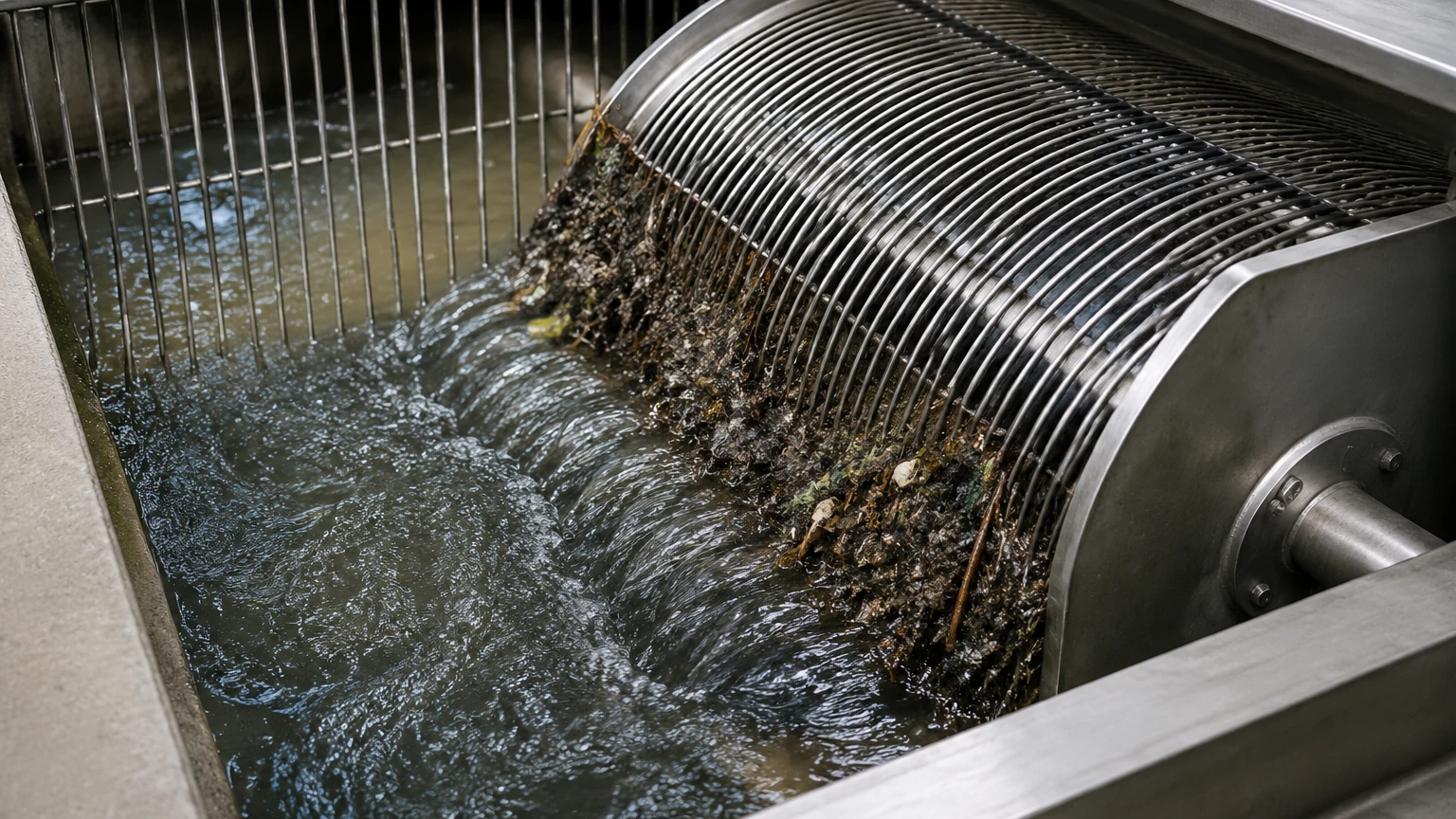
Screen Wastewater
In industrial operations, the initial stage of liquid-solid separation is critical for protecting downstream processes, ensuring regulatory compliance, and optimizing the efficiency of water treatment systems. The primary method used to achieve this is mechanical filtration, specifically designed to screen wastewater and remove suspended solids, debris, and inorganic matter. For engineers and facility managers, selecting the correct filtration media and housing is not merely a matter of procurement but a technical decision that impacts the longevity of pumps, the performance of biological treatments, and the total cost of ownership (TCO) of the facility.
The Role of Mechanical Screening in Industrial Wastewater Treatment
Mechanical screening serves as the first line of defense in any wastewater treatment plant (WWTP) or industrial effluent system. The objective to screen wastewater effectively involves removing large objects and fine particulates that could cause mechanical failure or process interference. In industries such as chemical processing, food and beverage, and pharmaceuticals, the nature of these solids varies significantly, requiring specialized stainless steel filtration solutions.
There are generally two categories of screening: coarse and fine. Coarse screens typically handle solids larger than 6mm, protecting heavy-duty equipment like centrifugal pumps from damage. Fine screens, often utilizing precision-woven wire mesh or perforated metal, target particles between 0.5mm and 6mm. In more specialized applications, micro-screening components are employed to remove even finer suspended solids, often as a pre-treatment for membrane filtration or reverse osmosis systems. By implementing a robust strategy to screen wastewater at the intake or process exit, facilities can significantly reduce the load on secondary treatment stages, such as activated sludge or chemical precipitation.
Engineering Criteria for Selecting Wastewater Screens
When specifying components to screen wastewater, engineers must evaluate several technical parameters to ensure the chosen filter can withstand the rigors of industrial environments. These criteria include:
1. Filtration Accuracy and Aperture Size
The aperture size, or micron rating, determines which particles will be retained and which will pass through. In wastewater applications, selecting an aperture that is too small can lead to rapid blinding (clogging), while an aperture that is too large allows harmful solids to bypass the screen. Precision-engineered wire mesh filters allow for consistent aperture sizes, ensuring predictable performance under varying load conditions.
2. Open Area and Flow Velocity
The "open area" of a filter screen refers to the percentage of the total surface area that consists of openings. A higher open area reduces the pressure drop (delta P) across the screen and allows for higher flow rates. However, this must be balanced against the mechanical strength of the screen. Engineers must calculate the approach velocity to ensure that solids are not forced through the mesh by excessive hydraulic pressure.
3. Mechanical Strength and Differential Pressure
Industrial wastewater systems often operate under high pressure or experience sudden surges. The filter media must be capable of withstanding significant differential pressure without deforming or rupturing. Stainless steel filter cartridges and reinforced wire mesh components are preferred in these scenarios due to their structural integrity compared to synthetic alternatives.
Material Selection: Why Stainless Steel is the Standard
The chemical composition of industrial effluent is often aggressive, containing corrosive chemicals, varying pH levels, and high temperatures. Consequently, the material used to screen wastewater must be chosen for its chemical compatibility and durability. Stainless steel, particularly grades 304 and 316L, is the industry standard for several reasons:
* Corrosion Resistance: Grade 316L contains molybdenum, which provides superior resistance to chlorides and acidic environments, making it ideal for chemical processing and pharmaceutical wastewater.
* Thermal Stability: Unlike plastic or polymer screens, stainless steel maintains its mechanical properties at high temperatures, which is essential for steam-cleaning processes or hot effluent streams in the food and beverage industry.
* Hygienic Properties: For food and beverage applications, the non-porous surface of stainless steel prevents bacterial growth and allows for effective Clean-in-Place (CIP) procedures.
* Longevity: While the initial investment in stainless steel media may be higher than disposable filters, its ability to be cleaned and reused multiple times results in a lower long-term cost.
For a detailed look at material specifications and available filtration formats, engineers can refer to the Main Page of our technical resource center.
Performance Evaluation: Managing Clogging and Head Loss
One of the most significant challenges in the effort to screen wastewater is the management of head loss—the reduction in water pressure as it passes through the screen. As solids accumulate on the surface of the filter, the open area decreases, and head loss increases. If left unmanaged, this can lead to system shutdowns or damage to the filter media.
To mitigate this, industrial systems often employ automated cleaning mechanisms. Backwashing, where a portion of the filtered liquid is forced back through the screen in the opposite direction, is a common method for dislodging trapped particles. Alternatively, ultrasonic cleaning or chemical baths may be used during scheduled maintenance to restore the screen’s original flow characteristics. When selecting a filter component, it is vital to confirm that the mesh structure is robust enough to handle the stresses of repeated backwashing cycles.
Customization Options for Demanding Applications
No two wastewater streams are identical. A chemical plant’s effluent will have different characteristics than a municipal water treatment facility or a hydraulic system's return line. Therefore, customized filtration solutions are often required to achieve optimal results. Customization can involve:
* Variable Weave Patterns: Plain weave, twilled weave, or Dutch weave patterns can be selected based on whether the priority is high flow, fine filtration, or mechanical strength.
* Structural Reinforcement: For high-pressure applications, wire mesh can be sintered or pleated to increase surface area and structural rigidity.
* Custom Geometric Designs: Filters can be manufactured as cylinders, cones, discs, or complex multi-layered cartridges to fit specific housing requirements.
By working with a manufacturer that understands these engineering nuances, purchasing teams can ensure that the components used to screen wastewater are perfectly matched to their operational needs.
Total Cost of Ownership and Decision-Making
When evaluating filtration components, engineers should look beyond the purchase price and consider the Total Cost of Ownership (TCO). A lower-quality screen may save costs initially but can lead to frequent replacements, increased downtime, and potential damage to expensive downstream equipment like membranes or high-pressure pumps.
Factors that contribute to a favorable TCO include:
1. Durability: How many cleaning cycles can the screen survive before the mesh integrity is compromised?
2. Efficiency: Does the screen maintain a consistent flow rate, or does it require excessive energy to push water through a partially clogged surface?
3. Ease of Maintenance: How quickly can the filter be removed, cleaned, and reinstalled?
By prioritizing high-performance stainless steel components, industrial facilities can ensure a more reliable and cost-effective process to screen wastewater. This technical approach minimizes the risk of environmental non-compliance and protects the overall infrastructure of the water treatment system.
Conclusion
Effective wastewater screening is a fundamental requirement for modern industrial processes. Whether the goal is to protect equipment, recover valuable byproducts, or meet environmental discharge standards, the choice of filtration media is paramount. Stainless steel wire mesh and precision filter cartridges offer the durability, chemical resistance, and accuracy needed to handle the complexities of industrial effluent. For technical professionals looking to optimize their filtration systems, understanding the relationship between material science, hydraulic performance, and mechanical design is the key to successful implementation. To explore specific product configurations and engineering support for your next project, visit the Main Page.