


Sediment Cartridge Water Filters
In industrial water treatment and process engineering, sediment filtration serves as the primary defense mechanism for protecting downstream equipment and ensuring product purity. Sediment cartridge water filters are designed to remove suspended solids, such as sand, silt, rust, scale, and other particulate matter from a fluid stream. While the concept is straightforward, the engineering requirements for industrial-grade applications demand a rigorous understanding of material science, fluid dynamics, and mechanical durability.
For engineers and procurement professionals, selecting the appropriate sediment filtration solution involves more than just choosing a micron rating. It requires a comprehensive evaluation of the operating environment, including flow velocities, chemical compatibility, and the physical characteristics of the contaminants. This guide examines the technical nuances of sediment cartridge water filters, focusing on high-performance stainless steel solutions that offer longevity and precision in demanding B2B environments.
Understanding the Role of Sediment Cartridge Water Filters in Industrial Systems
Sediment filtration is typically the first stage in a multi-stage filtration system. Its primary objective is to reduce the "silt density index" (SDI) or turbidity of the water before it reaches more sensitive components like reverse osmosis (RO) membranes, high-pressure pumps, or fine chemical catalysts. In industrial settings, the failure to adequately remove sediment can lead to catastrophic equipment wear, clogged nozzles, and compromised product batches.
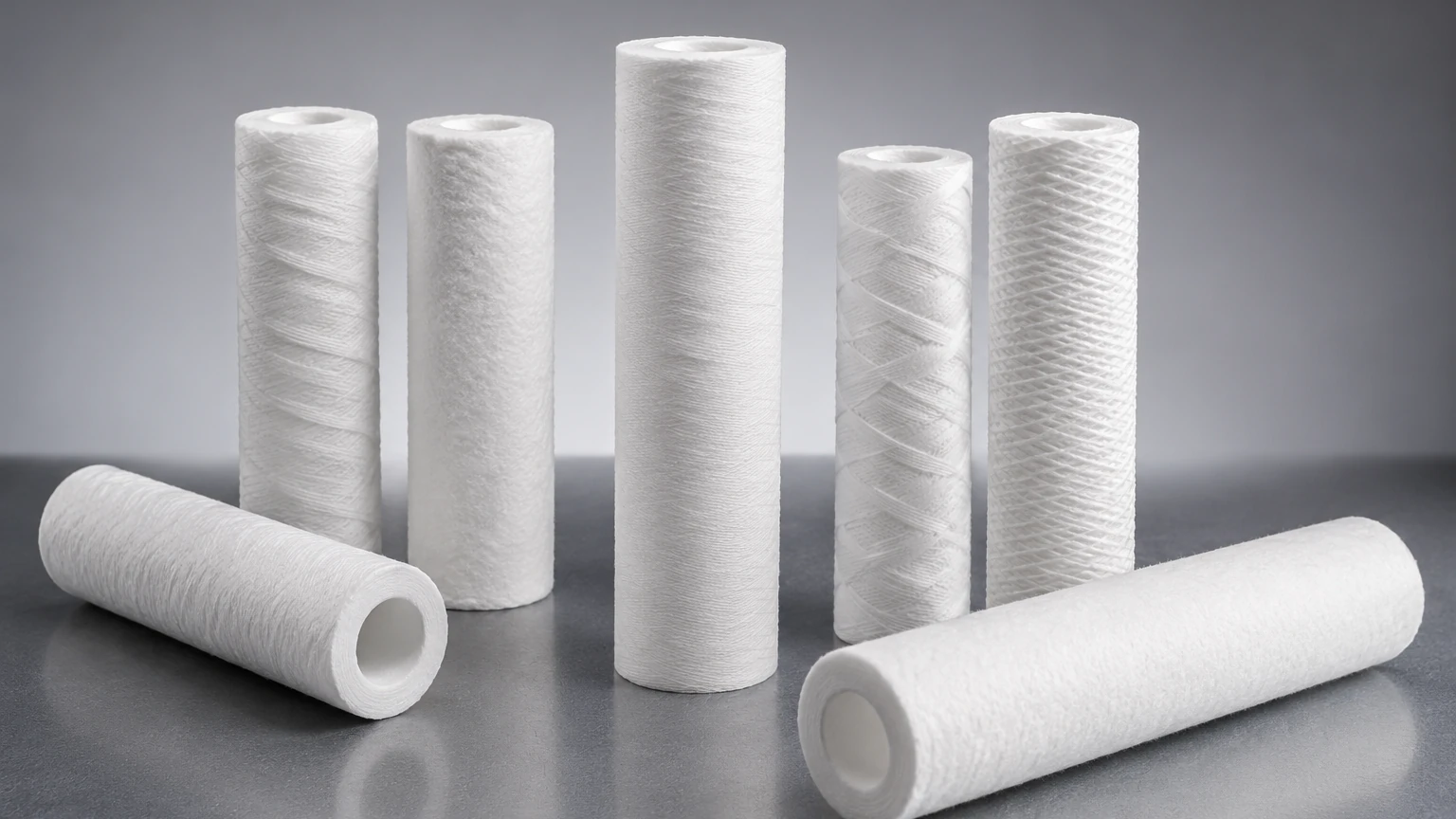
Unlike depth filters made from melt-blown polypropylene or string-wound fibers, industrial sediment cartridge water filters often utilize metallic media, such as stainless steel wire mesh or sintered metal. These materials are chosen for their ability to withstand high differential pressures and extreme temperatures that would cause polymeric filters to bypass or collapse. The mechanical strength of a metal cartridge ensures that the pore structure remains stable even under fluctuating flow conditions, providing consistent filtration performance throughout the service life of the component.
Technical Specifications and Selection Criteria
When specifying sediment cartridge water filters for an industrial process, several technical parameters must be harmonized to achieve optimal efficiency. Engineers must look beyond the surface-level marketing and focus on the following data points:
Micron Rating: Nominal vs. Absolute
One of the most critical distinctions in filtration is the difference between nominal and absolute micron ratings. A nominal rating refers to a filter's ability to retain a major percentage (usually 60% to 90%) of particles of a specific size. In contrast, an absolute rating indicates that the filter will retain 99.9% or more of particles at that size. For critical applications in the pharmaceutical or semiconductor industries, absolute-rated stainless steel mesh is often required to ensure zero bypass of oversized contaminants.
Flow Rate and Pressure Drop (ΔP)
Every filter media introduces resistance to flow, known as pressure drop. As sediment accumulates on the surface or within the depth of the filter, this resistance increases. Engineers must calculate the "clean pressure drop" to ensure the system pump can maintain the required flow rate. High-quality sediment cartridge water filters are designed with maximized surface areas—often through pleating—to minimize initial ΔP and extend the time between cleaning cycles.
Chemical and Thermal Compatibility
In sectors like chemical processing or steam filtration, the filter media must resist corrosion and thermal degradation. Stainless steel 304 and 316L are the industry standards due to their resistance to a wide range of pH levels and their ability to operate in temperatures exceeding 500°F (260°C). This makes them superior to plastic alternatives in heavy-duty industrial water loops.
Material Engineering: The Case for Stainless Steel
While disposable sediment filters are common in light commercial applications, industrial B2B operations increasingly favor reusable stainless steel cartridges. The transition from disposable to permanent media is driven by several engineering advantages:
1. Structural Integrity: Under high-pressure spikes or water hammer events, polymeric filters can deform, allowing sediment to bypass the seal. Stainless steel cartridges feature rigid internal cores and robust end caps that maintain a positive seal under stress.
2. Cleanability: Stainless steel wire mesh filters are backwashable and ultrasonic-cleanable. This is particularly valuable in processes with high sediment loads where replacing disposable cartridges daily would be cost-prohibitive and generate excessive waste.
3. No Media Migration: Low-quality fiber filters can shed bits of their own material into the effluent stream (media migration). Precision-woven stainless steel mesh is physically locked in place, ensuring that the filter itself does not become a source of contamination.
By visiting the Main Page of a specialist manufacturer, engineers can explore the various weave patterns—such as plain, twilled, or Dutch weave—that determine the specific flow and retention characteristics of these metal cartridges.
Design Configurations: Pleated vs. Cylindrical Mesh
The physical geometry of the sediment cartridge water filters significantly impacts their performance in the field. There are two primary configurations used in industrial metal filtration:
Cylindrical (Plain) Cartridges
These consist of a single or multi-layer mesh wrapped around a perforated support core. They are ideal for applications with low to moderate solids loading where ease of manual cleaning is a priority. Their streamlined profile makes them suitable for high-velocity flows where turbulence must be minimized.
Pleated Cartridges
By pleating the stainless steel mesh, manufacturers can increase the effective filtration surface area by up to 500% compared to a cylindrical design of the same dimensions. This increased area results in a lower flux (flow per unit area), which significantly reduces the pressure drop and increases the dirt-holding capacity. For systems where space is limited but high flow rates are required, pleated sediment cartridge water filters are the preferred engineering choice.
Application-Specific Requirements in B2B Sectors
Different industries impose unique constraints on sediment filtration. A "one size fits all" approach rarely works in complex industrial environments.
* Food and Beverage: Filters must meet FDA compliance standards. Stainless steel is the preferred material because it is non-leaching and can withstand Sanitize-in-Place (SIP) and Clean-in-Place (CIP) procedures involving caustic chemicals and high-temperature steam.
* Chemical Processing: In this sector, the focus is on corrosion resistance. If the water stream contains aggressive chlorides or acids, specialized alloys or high-grade 316L stainless steel are mandatory to prevent pitting and stress corrosion cracking.
* Hydraulic and Lubrication Systems: Sediment in hydraulic oil can cause rapid wear of valves and actuators. Metal sediment cartridges are used here because they can handle high-viscosity fluids and maintain their shape under the high-pressure returns common in hydraulic circuits.
Maintenance, Cleaning, and Replacement Cycles
A critical aspect of managing sediment cartridge water filters is establishing a predictable maintenance schedule. In most industrial setups, this is managed via differential pressure monitoring. When the ΔP reaches a predetermined setpoint (typically 15-25 psi depending on the housing design), the filter must be cleaned or replaced.
For stainless steel filters, the cleaning process usually involves:
* Backflushing: Reversing the flow of clean fluid through the filter to dislodge surface cake.
* Chemical Soaking: Using mild acids or surfactants to dissolve scale or organic buildup.
* Ultrasonic Cleaning: Using high-frequency sound waves in a solvent bath to remove fine particulates trapped deep within the mesh pores.
Properly maintained stainless steel sediment filters can last for years, whereas disposable variants might require replacement every few weeks, leading to significant downtime and labor costs.
Total Cost of Ownership (TCO) Considerations
When evaluating sediment cartridge water filters, procurement teams must look beyond the initial purchase price. The Total Cost of Ownership (TCO) includes the cost of the filter, the labor required for changes, the cost of downtime, and the environmental impact of disposal.
While a stainless steel cartridge has a higher upfront cost than a polypropylene melt-blown filter, the ROI is often realized within the first year of operation. The elimination of recurring cartridge purchases, combined with the reduction in hazardous waste disposal and the protection of expensive downstream equipment, makes high-quality metal filtration a more sustainable and economically sound investment for industrial facilities.
Conclusion: Selecting the Right Partner for Filtration Solutions
Effective sediment filtration is a balance of precision engineering and material durability. For engineers tasked with optimizing industrial water systems, the choice of sediment cartridge water filters impacts everything from pump longevity to final product quality. By focusing on stainless steel solutions, facilities can achieve a level of reliability and performance that disposable media simply cannot match.
When specifying these components, it is essential to work with a manufacturer that understands the nuances of custom filtration. Whether the application requires a specific micron rating for a chemical process or a high-surface-area pleated design for a high-flow water line, technical expertise is the key to success. For more information on custom stainless steel filtration components and industrial-grade solutions, professionals are encouraged to review the technical resources available on the Main Page to ensure their filtration systems are engineered for maximum efficiency and durability.
