


Simplex Basket Strainer Model 72
In industrial fluid handling, the protection of downstream equipment—such as pumps, valves, nozzles, and heat exchangers—is a critical engineering priority. The simplex basket strainer model 72 has long been established as a standard component in piping systems where the flow can be momentarily interrupted for basket cleaning. Characterized by its robust construction and high-capacity debris retention, this specific model serves as a benchmark for reliability in chemical processing, water treatment, and power generation sectors.
For engineers and procurement teams, selecting a simplex basket strainer model 72 involves more than matching pipe sizes. It requires a deep understanding of fluid dynamics, material compatibility, and the specific filtration requirements of the process. As a manufacturer specialized in custom stainless steel filtration solutions, Kaifil provides the precision-engineered internal components and customized mesh designs that define the ultimate performance of these industrial strainers.
Understanding the Engineering of Simplex Basket Strainers
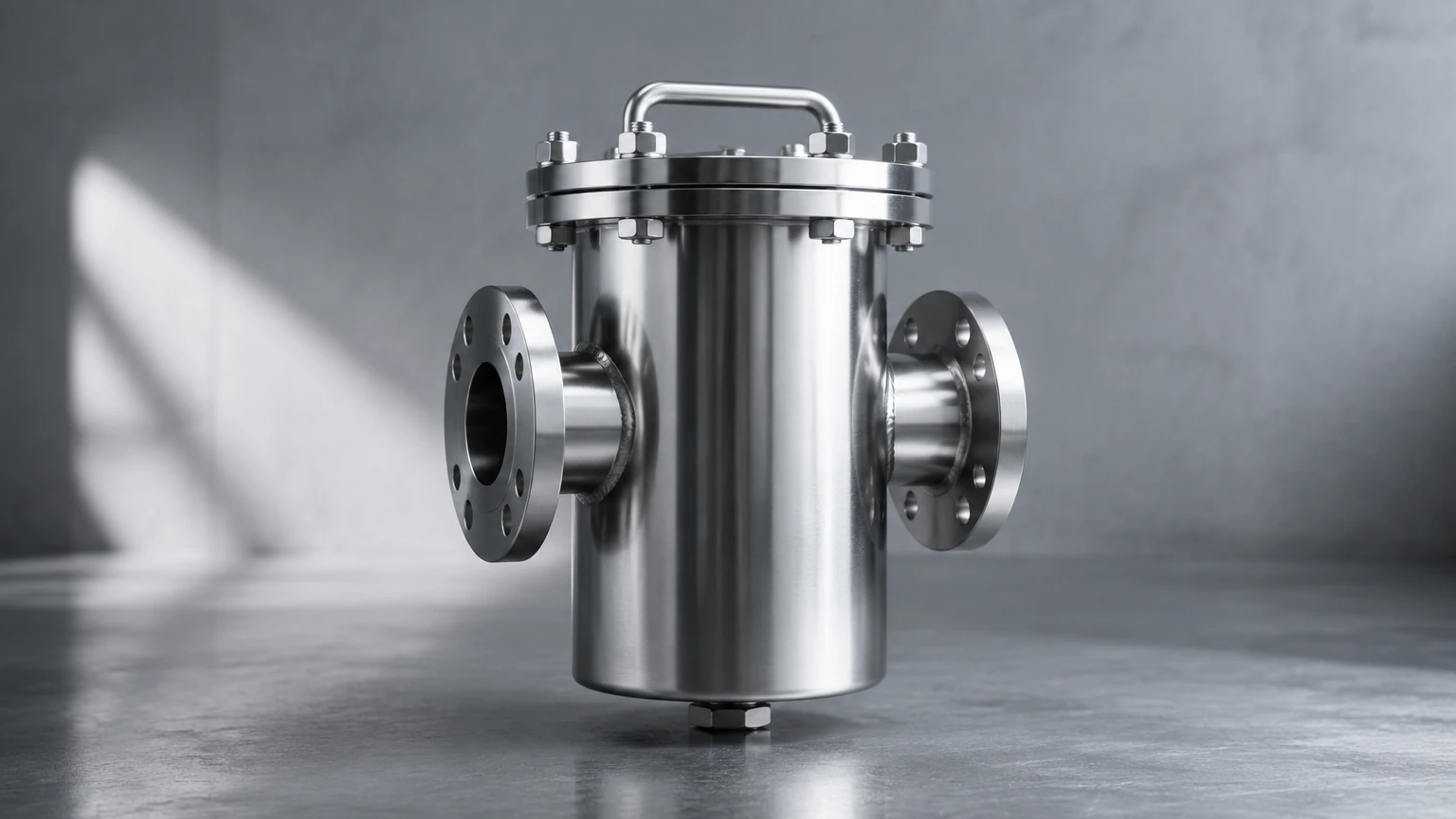
A simplex basket strainer is a closed vessel with a removable screen or basket designed to remove and retain foreign particles from a flowing liquid. Unlike Y-strainers, which are often used for smaller amounts of debris, the basket strainer (or bucket strainer) is designed for applications where higher concentrations of solids are expected. The "simplex" designation indicates a single-chamber design, requiring the system flow to be shut down or bypassed during maintenance.
The model 72 is particularly noted for its heavy-wall construction and large internal volume. The engineering intent behind this design is to provide a high "open area ratio." This ratio compares the total open area of the strainer basket holes to the cross-sectional area of the inlet pipe. A high ratio ensures a lower initial pressure drop and extends the time between cleaning cycles, which is a vital metric for operational efficiency.
Key Technical Specifications of Model 72
When evaluating a simplex basket strainer model 72, several technical parameters must be scrutinized to ensure system integrity. These strainers are typically available in sizes ranging from 3/8 inch to 10 inches, with various connection types including NPT (threaded) and ANSI flanged ends.
Pressure Ratings and Flow Coefficients
The pressure rating of the housing must exceed the maximum operating pressure of the system, including potential surges. Most model 72 units are rated for 200 psi or higher, depending on the material and temperature. Engineers must also consult the flow coefficient (Cv) values. The Cv represents the flow of water in gallons per minute at 60°F that will pass through the strainer with a pressure drop of 1 psi. A higher Cv indicates less resistance to flow, which is essential for maintaining pump efficiency.
Cover and Seal Design
One of the defining features of the model 72 is its quick-opening cover. In many industrial environments, tool-free access is preferred to minimize downtime. Hand-tightened knobs or yoke-style covers allow operators to access the basket quickly. However, the integrity of the seal—usually a high-performance O-ring or gasket made of Buna-N, Viton, or PTFE—must be verified against the chemical profile of the process fluid to prevent leaks.
Material Selection for Corrosive and High-Temperature Environments
The longevity of a simplex basket strainer model 72 is dictated by the compatibility of its materials with the medium being filtered. Standard housing materials include cast iron, carbon steel, bronze, and stainless steel. While cast iron is cost-effective for water service, stainless steel (typically 304 or 316 grade) is required for food and beverage, pharmaceutical, and corrosive chemical applications.
At Kaifil, we emphasize that the housing is only one part of the equation. The internal basket is the primary functional component. For aggressive environments, using high-grade stainless steel wire mesh or perforated plate is non-negotiable. Stainless steel offers superior resistance to pitting and stress corrosion cracking, especially when handling chlorides or acidic solutions. When selecting materials, engineers should also consider the galvanic compatibility between the strainer body and the internal basket to prevent accelerated corrosion at contact points.
Optimizing Filtration Performance with Custom Wire Mesh Baskets
The performance of a simplex basket strainer model 72 is ultimately limited by the quality and design of its internal basket. Standard baskets may suffice for general debris removal, but precision applications require customized filtration media. This is where technical expertise in wire mesh manufacturing becomes essential.
Micron Ratings vs. Mesh Count
Filtration accuracy is defined by the size of the particles the basket can successfully retain. This is measured in microns or mesh count. A 40-mesh screen has 40 openings per linear inch, but the actual filtration level depends on the wire diameter. For finer filtration, multi-layered sintered wire mesh can be used, providing structural strength while achieving filtration levels down to 5 microns or less.
Structural Reinforcement
In high-viscosity applications or systems with high differential pressures, a standard mesh basket may collapse or bypass. To prevent this, baskets are often designed with a perforated metal backup for structural support, with the fine wire mesh lined on the inside or outside. Custom-manufactured baskets from Kaifil ensure that the pleating and welding techniques used do not create "blind spots" or weak points that could lead to premature failure. For those looking to optimize their specific process, you can Review product options and application support to find the right balance of flow and retention.
Operational Maintenance and Safety Protocols
Maintenance of a simplex basket strainer model 72 is straightforward but requires strict adherence to safety protocols. Because the system must be depressurized before the cover is opened, integrated vent and drain plugs are standard features.
Monitoring Pressure Drop
The most effective way to determine when a basket needs cleaning is by monitoring the differential pressure (Delta P) across the strainer. It is recommended to install pressure gauges on both the inlet and outlet sides. A common rule of thumb is to clean the basket when the pressure drop reaches 5 to 10 psi above the clean pressure drop. Allowing the Delta P to climb too high can result in basket deformation or, in extreme cases, the forcing of debris through the mesh.
Cleaning Procedures
Once the unit is isolated and drained, the basket should be removed and cleaned using a soft brush or ultrasonic bath, depending on the nature of the contaminants. It is vital to inspect the mesh for any signs of tearing or fatigue. Even microscopic holes can allow damaging particles to pass through to sensitive downstream equipment. Keeping spare baskets on hand is a best practice to ensure minimal downtime during the cleaning process.
Total Cost of Ownership and Selection Criteria
When purchasing a simplex basket strainer model 72, the initial purchase price is only a fraction of the total cost of ownership (TCO). A lower-quality strainer may have a lower upfront cost but can lead to higher expenses through frequent basket replacements, increased pumping energy costs due to high pressure drops, and potential damage to downstream components.
Factors Influencing TCO:
1. Durability of Internals: High-quality stainless steel baskets last longer and resist deformation better than generic alternatives.
2. Ease of Maintenance: Features like quick-release covers reduce labor costs and downtime.
3. Filtration Efficiency: Precise mesh sizing prevents the need for secondary filtration stages and protects expensive equipment.
4. Customization: Tailoring the basket design to the specific flow characteristics of the plant can significantly extend the service life of the entire filtration system.
Conclusion
The simplex basket strainer model 72 remains a cornerstone of industrial fluid management due to its simplicity and effectiveness. However, achieving optimal results requires a technical approach to selection, focusing on material compatibility, pressure dynamics, and the precision of the internal filtration media. By prioritizing high-quality stainless steel components and custom-engineered mesh solutions, industrial operators can ensure their systems remain protected, efficient, and cost-effective over the long term.
For engineers and technical professionals, the goal is not just to install a strainer, but to integrate a solution that aligns with the specific demands of their industrial environment. Whether dealing with high-pressure hydraulics or sensitive pharmaceutical processing, the right combination of housing and precision-manufactured internals is the key to operational success.
