


Simplex Filter
In industrial fluid handling, the simplex filter serves as a fundamental component for protecting downstream equipment from particulate contamination. Designed as a single-chamber pressure vessel containing a removable filter element or basket, the simplex filter is the standard choice for batch processes or applications where the fluid flow can be intermittently stopped for maintenance. For engineers and procurement specialists, selecting the correct simplex filter requires a deep understanding of fluid dynamics, material compatibility, and the specific mechanical requirements of the filtration media.
As a manufacturer specializing in custom stainless steel filtration solutions, Kaifil provides the technical expertise necessary to navigate these variables. Whether the application involves chemical processing, hydraulic systems, or food and beverage production, the performance of the filtration system depends on the precision of the internal components and the integrity of the housing design.
Understanding Simplex Filter Design and Operation
The core architecture of a simplex filter consists of an inlet, an outlet, a housing body, and a removable internal element. Unlike duplex filters, which feature two chambers and a diverting valve to allow for continuous operation, a simplex filter operates with a single flow path. When the internal element becomes clogged with contaminants, the system must be shut down or bypassed to allow for cleaning or replacement.
Flow Dynamics
In most industrial simplex filters, the fluid enters the top or side of the housing and flows through the center of the filter basket. This "inside-to-out" flow pattern ensures that debris is contained within the basket, making it easier to remove during cleaning without contaminating the clean side of the housing. The efficiency of this process is governed by the surface area of the filter media and the velocity of the fluid.
Housing Materials
Stainless steel is the preferred material for high-performance simplex filters due to its superior corrosion resistance and structural integrity. Depending on the chemical composition of the fluid, engineers typically specify either Grade 304 or Grade 316L stainless steel. For highly corrosive environments or pharmaceutical applications, 316L is often required to prevent pitting and ensure a high degree of purity.
Key Engineering Specifications for Selection
Selecting a simplex filter is not a one-size-fits-all process. Engineers must evaluate several critical parameters to ensure the unit performs reliably under operational stress.
Filtration Accuracy (Micron Rating)
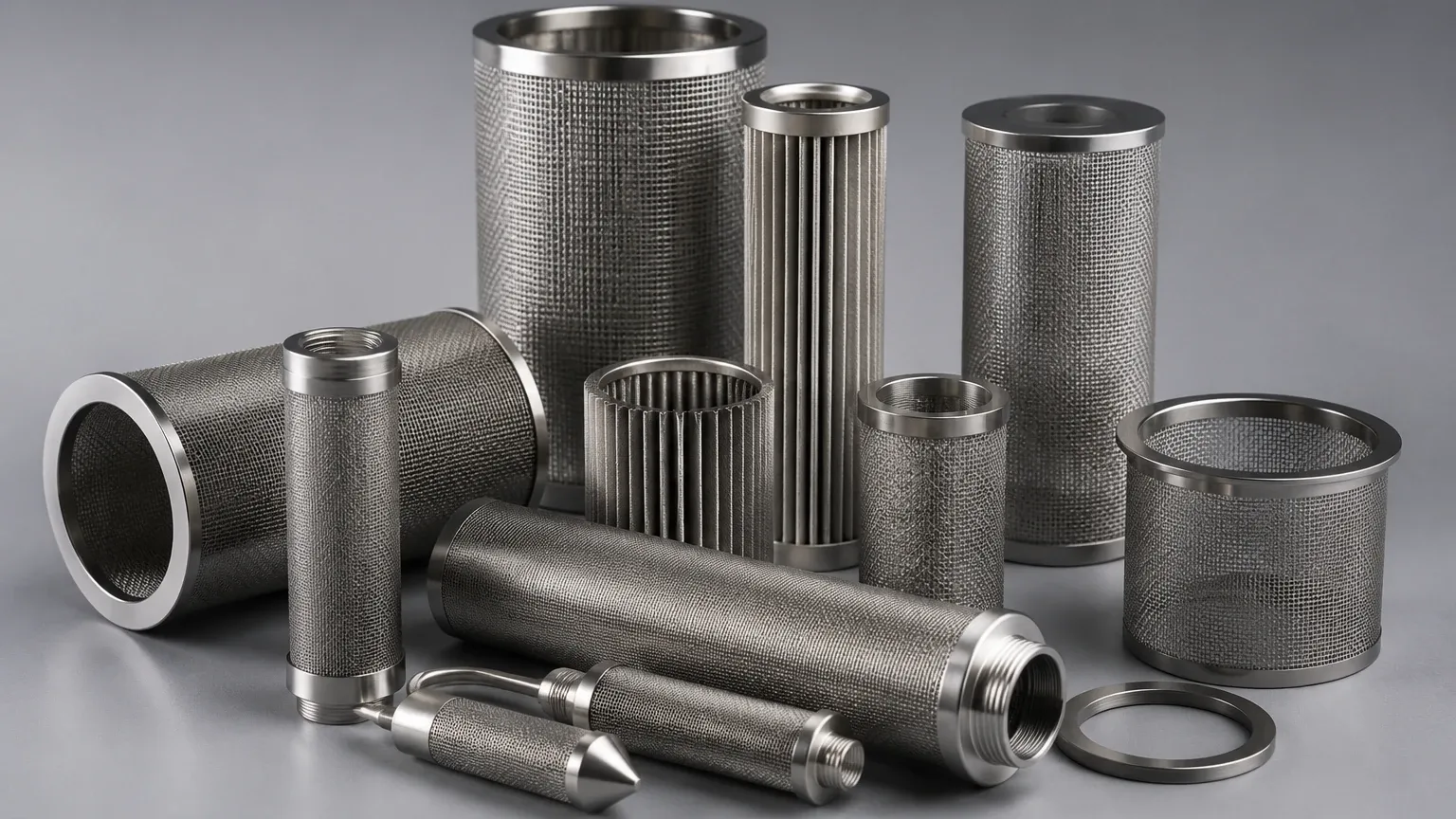
The micron rating determines the size of particles the filter will capture. This is achieved through various types of media, including perforated metal, woven wire mesh, or pleated stainless steel cartridges.
* Coarse Filtration: Often utilizes perforated metal baskets for removing large debris (1mm and above).
* Fine Filtration: Employs multi-layered stainless steel wire mesh to achieve precision down to 5 or 10 microns.
* Pleated Elements: Used when a high surface area is required within a compact housing to manage high flow rates or high dirt-holding capacities.
Pressure and Temperature Ratings
Every simplex filter must be rated for the maximum operating pressure and temperature of the system. In the United States, these are often designed according to ASME Section VIII standards. It is vital to confirm that the seals and O-rings (typically Viton, EPDM, or PTFE) are compatible with both the temperature and the chemical nature of the process fluid.
Connection Types
To integrate into existing piping, simplex filters are available with various connection types, including NPT threaded ports, ANSI flanges, or sanitary Tri-clamp fittings. The choice of connection often dictates the ease of installation and the maximum allowable pressure for the unit.
The Role of Custom Stainless Steel Filter Elements
While the housing provides the structural containment, the internal element is the functional heart of the simplex filter. Kaifil focuses on engineering these components to meet specific industrial demands. Customization of the filter element allows for optimized performance that standard off-the-shelf products may not provide.
Wire Mesh vs. Sintered Media
For many B2B applications, the choice between standard wire mesh and sintered metal is critical. Woven wire mesh offers excellent flow rates and is easily cleaned. However, for high-pressure applications where mesh migration must be prevented, sintered wire mesh—where multiple layers are bonded together through heat and pressure—provides a rigid, non-deformable structure that maintains consistent filtration accuracy under varying loads.
Support Structures
In high-viscosity applications, such as heavy oil or polymer filtration, the filter element is subjected to significant differential pressure. Custom elements often include internal or external support cores made of perforated stainless steel to prevent the mesh from collapsing. Ensuring the structural integrity of the basket is a key engineering consideration that prevents catastrophic system failure.
For more information on customized filtration components, you can visit the Main Page to review product options and application support.
Evaluating Performance: Flow Rate and Pressure Drop
One of the most common mistakes in filter procurement is undersizing the unit, which leads to an excessive initial pressure drop (ΔP). The total pressure drop in a simplex filter is the sum of the drop across the housing and the drop across the clean filter element.
The Impact of Viscosity
Fluid viscosity significantly impacts pressure drop. A filter that works efficiently for water will experience a much higher ΔP when used for hydraulic oil or corn syrup. Engineers must use viscosity correction factors when calculating the required size of the simplex filter to ensure the system does not reach its terminal pressure drop too quickly.
Dirt-Holding Capacity
A larger filter housing allows for a larger basket, which increases the dirt-holding capacity. This directly correlates to the length of the service cycle. In environments with high particulate loading, investing in a larger simplex filter can reduce labor costs associated with frequent cleaning and minimize process downtime.
Common Risks and Mitigation Strategies
Implementing a simplex filter involves managing operational risks to protect the broader industrial process.
1. Bypass Leaks: If the filter basket is not seated correctly within the housing, fluid can bypass the filtration media. Precision-machined seats and high-quality gaskets are essential to ensure a 100% seal.
2. Pressure Surges: Rapid changes in flow can create pressure spikes that may damage delicate wire mesh. Using reinforced baskets or installing surge suppressors can mitigate this risk.
3. Material Incompatibility: Using a 304 stainless steel filter in a high-chloride environment can lead to stress corrosion cracking. Always verify the chemical compatibility of all wetted parts.
4. Cleaning Damage: Improper cleaning techniques, such as using abrasive tools on fine wire mesh, can alter the micron rating or create holes. Standard operating procedures (SOPs) should specify ultrasonic cleaning or gentle chemical baths for delicate elements.
Technical Checklist Before Procurement
Before finalizing a purchase order for a simplex filter, technical teams should confirm the following data points with the manufacturer:
* Fluid Properties: What is the fluid type, viscosity, and specific gravity?
* Operating Conditions: What are the normal and maximum operating pressures and temperatures?
* Flow Rate: What is the minimum, normal, and maximum flow rate (GPM or m³/h)?
* Contaminant Profile: What is the nature of the solids being removed? Are they hard, fibrous, or gelatinous?
* Required Micron Rating: Is an absolute or nominal rating required for the application?
* Space Constraints: Does the installation area have specific height or width limitations for housing removal?
Maintenance and Total Cost of Ownership (TCO)
While the initial purchase price of a simplex filter is an important factor, the Total Cost of Ownership (TCO) is a more accurate metric for industrial decision-making. TCO includes the cost of replacement elements, the labor required for cleaning, and the potential cost of lost production during downtime.
Stainless steel simplex filters offer a lower TCO compared to plastic or disposable cartridge systems because the elements are cleanable and reusable. A high-quality stainless steel basket can last for years if maintained properly. Furthermore, the durability of metal components reduces the risk of unplanned maintenance, which is often the most significant hidden cost in industrial operations.
Conclusion
The simplex filter remains a staple of industrial filtration due to its simplicity, reliability, and cost-effectiveness. By focusing on high-quality materials, precise engineering of the internal mesh, and accurate sizing based on fluid dynamics, engineers can ensure their systems remain protected from the damaging effects of contamination.
As a dedicated manufacturer, Kaifil supports global industries by providing customized stainless steel filter cartridges and components that meet the rigorous demands of modern manufacturing. Understanding the technical nuances of filter selection allows purchasing teams to move beyond generic solutions and implement filtration strategies that optimize performance and longevity. For a comprehensive look at available filtration technologies and custom OEM capabilities, visiting the Main Page provides the necessary technical resources to support informed decision-making.
