


Sintered Plate
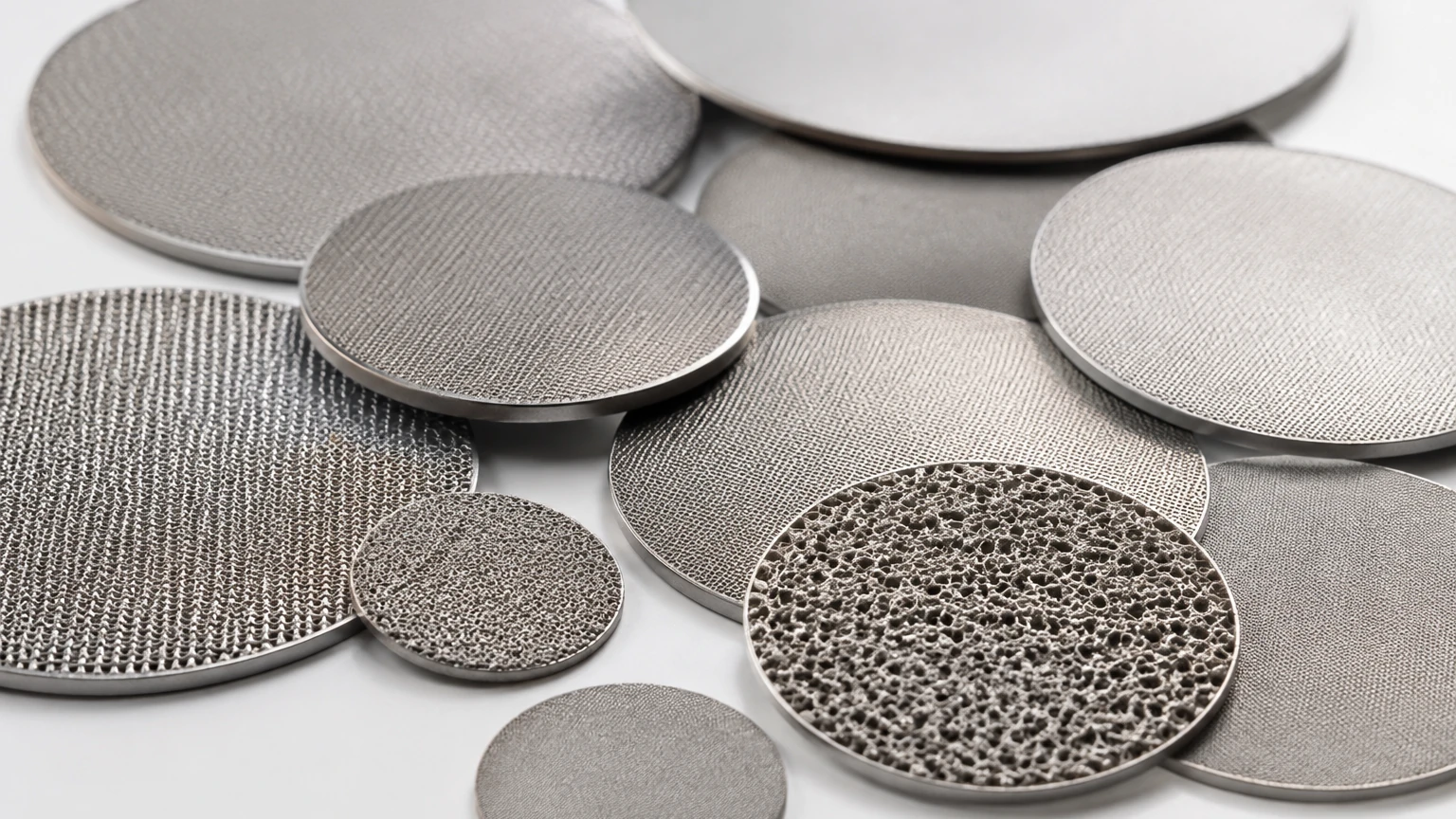
In the landscape of industrial filtration, the sintered plate represents a pinnacle of engineering designed to withstand the most demanding operational environments. As industrial processes evolve toward higher pressures, more aggressive chemical exposures, and stricter purity requirements, standard filtration media often fall short. A sintered plate, constructed from multiple layers of stainless steel wire mesh or metal powders bonded together through a high-temperature diffusion process, offers a robust solution that combines mechanical strength with precise filtration accuracy.
For engineers and procurement specialists, understanding the technical nuances of these components is essential for optimizing system performance and ensuring long-term reliability. Kaifil, a specialist in custom stainless steel filtration, provides these precision-engineered components to meet the rigorous standards of global industrial sectors. To explore the full scope of our manufacturing capabilities and product range, you can visit our Main Page.
The Engineering Behind Sintered Plate Construction
The manufacturing of a sintered plate is a sophisticated metallurgical process. Unlike traditional woven wire mesh, which relies on mechanical interlocking, a sintered plate is created by layering metal media and subjecting them to a vacuum furnace. Under intense heat—just below the melting point—and controlled pressure, the contact points of the metal particles or wires fuse together at a molecular level. This process, known as diffusion bonding, creates a monolithic structure that retains the porosity of the original media while gaining immense structural integrity.
Material Selection
Material choice is the first critical decision in the engineering phase. Most industrial sintered plates are manufactured from austenitic stainless steels, such as 316L or 304.
* Stainless Steel 316L: Preferred for its superior corrosion resistance, particularly in environments involving chlorides or acidic solutions. Its low carbon content prevents carbide precipitation during the sintering process, ensuring the plate remains resilient against intergranular corrosion.
* Stainless Steel 304: Suitable for less corrosive applications where high mechanical strength and heat resistance are still required, often found in food processing or general industrial machinery.
* Specialty Alloys: For extreme environments, materials like Hastelloy, Inconel, or Monel may be used to handle high-temperature oxidation or highly reactive chemical compounds.
Multilayer Configurations
A sintered plate is rarely a single layer. Instead, it is typically a composite structure designed for specific functional roles:
1. Filtration Layer: The core layer with the specified micron rating that performs the actual separation.
2. Protective Layer: Fine mesh layers on the outside that protect the filtration layer from mechanical damage during handling or cleaning.
3. Support Layer: Coarse, heavy-duty mesh layers that provide the rigidity necessary to withstand high differential pressures without deformation.
Technical Performance Characteristics
When evaluating a sintered plate for a specific application, engineers must look beyond simple dimensions. The performance of the plate is defined by its pore structure and mechanical properties.
Filtration Accuracy and Pore Distribution
The sintering process allows for highly controlled pore sizes, typically ranging from 1 micron to over 200 microns. Because the wires or particles are fused in place, the pore geometry remains stable even under high pressure. This prevents "media migration"—a common failure in non-sintered filters where the mesh shifts and allows larger particles to pass through.
Permeability and Pressure Drop
One of the primary engineering challenges is balancing filtration fineness with permeability. A well-designed sintered plate maximizes the open area to ensure a low initial pressure drop. This reduces the energy requirements for pumps and extends the time between cleaning cycles. Engineers must calculate the flux rate (flow per unit area) to ensure the plate can handle the system's throughput without exceeding the maximum allowable differential pressure.
Mechanical Rigidity and Thermal Stability
Sintered plates are self-supporting. In many applications, they do not require additional internal frameworks, which simplifies vessel design. Furthermore, because they are entirely metallic, they can operate in temperatures ranging from cryogenic levels up to 600°C (1112°F) in continuous service, depending on the alloy and atmospheric conditions.
Primary Industrial Applications
The versatility of the sintered plate makes it a staple in industries where failure is not an option. Its ability to be cleaned and reused multiple times provides a significant advantage over disposable depth filters.
Chemical and Petrochemical Processing
In chemical manufacturing, sintered plates are used for catalyst recovery, solvent filtration, and the processing of aggressive polymers. The ability to withstand backwashing—where flow is reversed to dislodge accumulated solids—is vital for maintaining continuous production in closed-loop systems.
Pharmaceutical and Biotechnology
For pharmaceutical applications, the smooth surface and stable pore structure of a stainless steel sintered plate are essential for sterile filtration. These plates are compatible with Clean-in-Place (CIP) and Steam-in-Place (SIP) protocols, ensuring that no biological contaminants or previous batch residues remain in the filter media.
Food and Beverage Production
In the production of oils, syrups, and beverages, sintered plates provide a hygienic filtration solution. They are resistant to the organic acids found in food products and do not impart any taste or odor to the filtrate. Their durability ensures they can withstand the rigorous daily cleaning cycles required by food safety regulations.
Hydraulic and Aerospace Systems
High-pressure hydraulic systems utilize sintered plates to protect sensitive valves and actuators from particulate contamination. In these environments, the plate's resistance to fatigue and its ability to maintain its shape under sudden pressure surges are critical for system safety.
Engineering Selection Criteria for Purchasing Teams
Selecting the correct sintered plate requires a collaborative approach between the purchasing team and the engineering department. To ensure the component meets the application requirements, several factors must be confirmed before procurement.
Fluid Compatibility and Operating Environment
Confirm the chemical composition of the fluid, including pH levels and the presence of trace contaminants. Additionally, specify the operating temperature and the maximum expected pressure. This information dictates the material grade and the thickness of the support layers.
Micron Rating vs. Capture Efficiency
It is important to distinguish between nominal and absolute micron ratings. A sintered plate typically offers an absolute rating, meaning it will stop 99.9% of particles at the specified size. Engineers should define the particle size distribution of the contaminant to choose a rating that prevents premature clogging while meeting downstream purity standards.
Cleaning and Maintenance Requirements
One of the greatest benefits of a sintered plate is its cleanability. Depending on the contaminant, plates can be cleaned via:
* Backpulsing/Backwashing: Using fluid or gas to push contaminants out of the pores.
* Ultrasonic Cleaning: Using high-frequency sound waves in a cleaning solution to dislodge fine particles.
* Chemical Cleaning: Using solvents or acids to dissolve accumulated organic or inorganic matter.
* Burn-off/Heat Treatment: Removing organic polymers by heating the plate in a controlled oven.
Purchasing teams should consider the total cost of ownership, as the higher initial investment in a sintered plate is often offset by the elimination of disposable filter costs and reduced downtime.
Customization and OEM Capabilities
No two industrial systems are identical, and often, standard off-the-shelf components are insufficient. Kaifil specializes in providing customized sintered plate solutions tailored to specific engineering drawings and performance specifications.
Customization options include:
* Bespoke Shapes and Sizes: From small circular discs used in laboratory equipment to large-scale rectangular plates for industrial nutsche filters.
* Variable Layering: Adjusting the number of support and drainage layers to handle specific flow patterns or mechanical loads.
* Integrated Fittings: Welding the sintered plate into housings, flanges, or threaded connectors to ensure a leak-proof seal within the system.
* Surface Finishes: Providing specialized coatings or electropolishing to enhance corrosion resistance or facilitate easier cake release in solid-liquid separation.
By working closely with an OEM manufacturer, engineers can ensure that the filtration component is optimized for their specific vessel geometry and flow dynamics.
Conclusion: Maximizing Filtration Efficiency
The sintered plate is an essential component for any industrial process requiring high-precision, high-durability filtration. By leveraging the benefits of diffusion bonding, these plates provide a level of structural integrity and pore stability that woven or felted media cannot match. Whether the goal is to protect downstream equipment, recover valuable catalysts, or ensure product purity, the selection of a high-quality sintered plate is a critical step in system design.
For technical professionals seeking reliable, custom-manufactured filtration solutions, partnering with an experienced manufacturer is key. At Kaifil, we combine advanced manufacturing technology with deep engineering expertise to deliver stainless steel filtration components that excel in the most demanding environments.
To learn more about our specific products, request a quote, or consult with our technical team on your next project, please visit our Main Page. By focusing on quality, durability, and precise performance, we help our global partners achieve efficient and cost-effective filtration outcomes.
