


Sparge Steam
In industrial processing, the efficient transfer of thermal energy and the precise introduction of gases into liquids are fundamental operations. Steam sparging, the process of injecting pressurized steam directly into a liquid, stands as one of the most effective methods for rapid heating, agitation, and deaeration. Unlike indirect heating methods such as heat exchangers or jacketing, sparge steam systems offer 100% thermal efficiency because the latent heat of the steam is transferred directly into the process fluid through condensation.
For engineers and plant managers, selecting the right hardware for steam sparging is critical. The performance of the system depends heavily on the design of the sparger—the component that disperses the steam. Utilizing advanced stainless steel filtration media and porous metal components ensures that steam is distributed uniformly, preventing common industrial issues such as localized overheating, mechanical vibration, and inefficient energy use. As a manufacturer specializing in custom stainless steel filtration solutions, Kaifil provides the technical expertise required to design and implement robust sparging systems for demanding environments.
The Mechanics of Steam Sparging Systems
Steam sparging operates on the principle of direct contact condensation. When steam is injected into a cooler liquid, it releases its latent heat as it transitions from a gaseous state to a liquid state. The efficiency of this process is governed by the surface area of the steam-liquid interface.
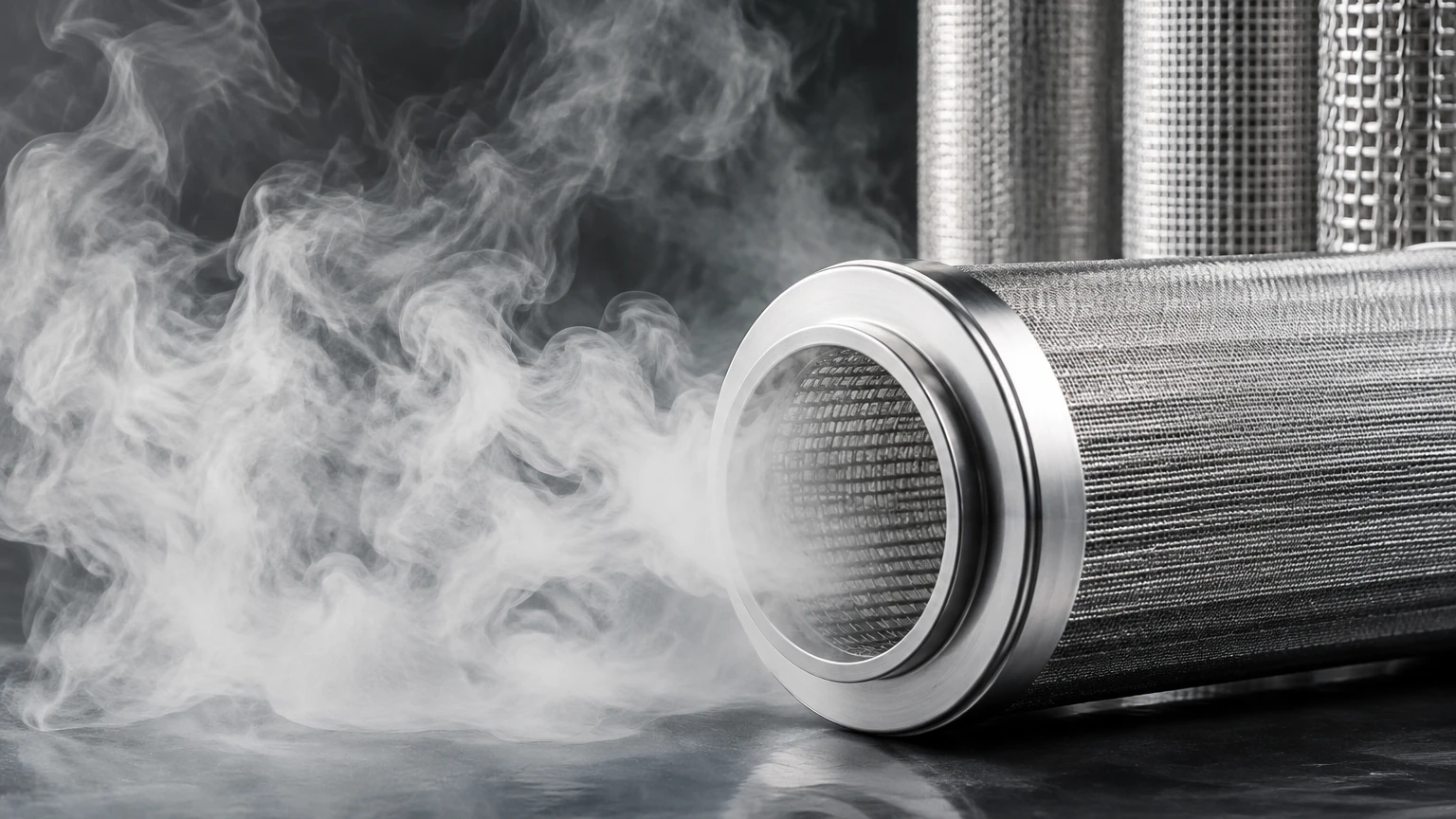
Traditional sparging often involved simple perforated pipes or "drilled pipes." However, these designs produce large, buoyant bubbles that rise quickly to the surface and escape before fully condensing. This results in "steam plume" and significant energy loss. Modern industrial applications favor porous metal spargers, which utilize sintered stainless steel or wire mesh structures to create millions of tiny injection points.
These porous media produce micro-bubbles, vastly increasing the surface area-to-volume ratio. Smaller bubbles condense almost instantaneously, ensuring that the thermal energy is absorbed within the liquid bulk rather than being lost to the atmosphere. Furthermore, the rapid condensation of micro-bubbles creates a gentle, continuous agitation that promotes thermal homogeneity throughout the vessel without the need for mechanical stirrers in many cases.
Key Engineering Considerations for Sparge Steam Applications
When designing a system for sparge steam, several engineering variables must be balanced to ensure safety and performance. Engineers must consider the following factors during the specification phase:
Steam Quality and Pressure
The quality of the steam—whether it is saturated, superheated, or culinary grade—dictates the material requirements of the sparger. Saturated steam is most common for heating applications because it carries the maximum latent heat. The pressure of the steam must be sufficiently higher than the hydrostatic head of the liquid in the tank to overcome the "cracking pressure" of the porous media and ensure a consistent flow rate.
Pressure Drop and Flow Control
The pressure drop (ΔP) across the sparging element is a vital metric. A controlled pressure drop ensures that steam is distributed evenly across the entire surface of the sparger. If the pressure drop is too low, steam may only exit from the points closest to the inlet, leading to uneven heating. Conversely, an excessive pressure drop requires higher boiler pressures and can lead to premature wear of the filtration media.
Bubble Size and Micron Ratings
In steam sparging, the "micron rating" of the porous metal element determines the initial size of the steam bubbles. While finer micron ratings (e.g., 0.5 to 10 microns) provide the highest surface area, they also increase the resistance to flow. For high-viscosity liquids, a slightly larger micron rating may be necessary to prevent the pores from fouling while still maintaining efficient heat transfer.
Material Selection and Durability in Steam Environments
Industrial steam systems are punishing environments characterized by high temperatures, pressure fluctuations, and potential chemical exposure. Material selection is therefore the most critical factor in the longevity of a sparging system.
Stainless steel, particularly Grade 316L, is the industry standard for steam sparging components. Its advantages include:
* Thermal Resistance: 316L stainless steel maintains its structural integrity at the high temperatures associated with high-pressure steam.
* Corrosion Resistance: Steam can be corrosive, especially if it contains boiler treatment chemicals or if the process liquid is acidic. Stainless steel provides a robust defense against pitting and general corrosion.
* Mechanical Strength: Spargers are often subjected to "steam hammer"—the mechanical shock caused by the rapid collapse of steam bubbles. Porous sintered metal and reinforced wire mesh structures are engineered to withstand these cyclical stresses without cracking or deforming.
* Cleanability: In the food, beverage, and pharmaceutical industries, spargers must be compatible with Clean-in-Place (CIP) and Sterilization-in-Place (SIP) protocols. Stainless steel’s non-porous surface (aside from the engineered filtration pores) prevents bacterial growth and allows for aggressive chemical cleaning.
For specialized applications, Kaifil offers customized filtration components that can be integrated into existing Main Page architectures, ensuring that the material properties align perfectly with the process requirements.
Mitigating Risks: Steam Hammer and Vibration
One of the most significant challenges in sparge steam applications is the phenomenon known as steam hammer. This occurs when steam bubbles collapse violently into the liquid, creating localized vacuum pockets that are immediately filled by the surrounding fluid. This creates shockwaves that can damage tank linings, loosen fittings, and cause significant noise pollution.
Using porous metal spargers is an effective engineering solution to mitigate steam hammer. By breaking the steam into micro-bubbles, the energy released during condensation is dispersed over a much larger area and occurs more gradually. This leads to a "quiet" sparging process, protecting the structural integrity of the vessel and improving the working environment for operators.
Additionally, engineers must calculate the exit velocity of the steam. High-velocity steam can cause erosion of the sparger material over time. By increasing the surface area of the sparger—often through the use of multiple filter cartridges or elongated wire mesh elements—the velocity at each pore is reduced, extending the service life of the equipment.
Industry-Specific Applications for Sparge Steam
Steam sparging is utilized across a broad spectrum of industries, each with unique technical demands.
Food and Beverage Processing
In large-scale soup, sauce, or beverage production, steam sparging is used for rapid batch heating. Because the steam becomes part of the product, "culinary steam" filters are required to remove pipe scale and impurities. The spargers themselves must meet stringent hygienic standards to ensure no contaminants are trapped within the media.
Chemical and Petrochemical
In chemical reactors, sparge steam is used not only for heating but also for "stripping" volatile organic compounds (VOCs) from a liquid. The steam acts as a carrier gas, increasing the vapor pressure of the contaminants and allowing them to be removed from the top of the reactor. This requires spargers that can withstand aggressive chemical environments and high flow rates.
Pulp and Paper
Steam sparging is essential in the bleaching and pulping process, where large volumes of water and fiber must be maintained at specific temperatures to facilitate chemical reactions. The durability of stainless steel wire mesh filters is paramount here, as the process fluids often contain abrasive particulates.
Maintenance, Cleaning, and Replacement Cycles
To maintain the efficiency of a sparge steam system, a proactive maintenance schedule is required. Over time, the pores of a metal sparger can become restricted due to mineral scaling (from hard water) or particulate buildup from the process fluid.
Signs that a sparger requires cleaning or replacement include:
1. Increased Backpressure: A noticeable rise in the steam pressure required to maintain the same flow rate.
2. Uneven Heating: Cold spots in the tank or increased time required to reach the target temperature.
3. Increased Noise: A transition from a quiet hiss to a loud rattling or hammering sound, indicating that bubble size has increased due to pore blockage.
Cleaning methods typically involve ultrasonic baths, back-flushing with mild acids (to remove scale), or high-pressure water jets. Because Kaifil’s stainless steel filter cartridges are designed for durability, they can often be cleaned and reused multiple times before a full replacement is necessary, reducing the total cost of ownership.
Conclusion
Sparge steam is a powerful tool for industrial thermal management and process agitation, but its success depends on the precision of the delivery hardware. By transitioning from crude perforated pipes to engineered porous metal spargers, facilities can achieve higher energy efficiency, better product consistency, and reduced equipment wear.
When specifying components for these systems, engineers should prioritize material quality, micron precision, and mechanical robustness. As a dedicated manufacturer of stainless steel filtration solutions, Kaifil supports global industries with the components and engineering guidance needed to optimize steam sparging operations. Whether you are designing a new reactor or retrofitting an existing system, selecting high-performance filtration media is the first step toward operational excellence. For more information on our custom capabilities and product range, please visit our Main Page.
