


Sparger Bioreactor
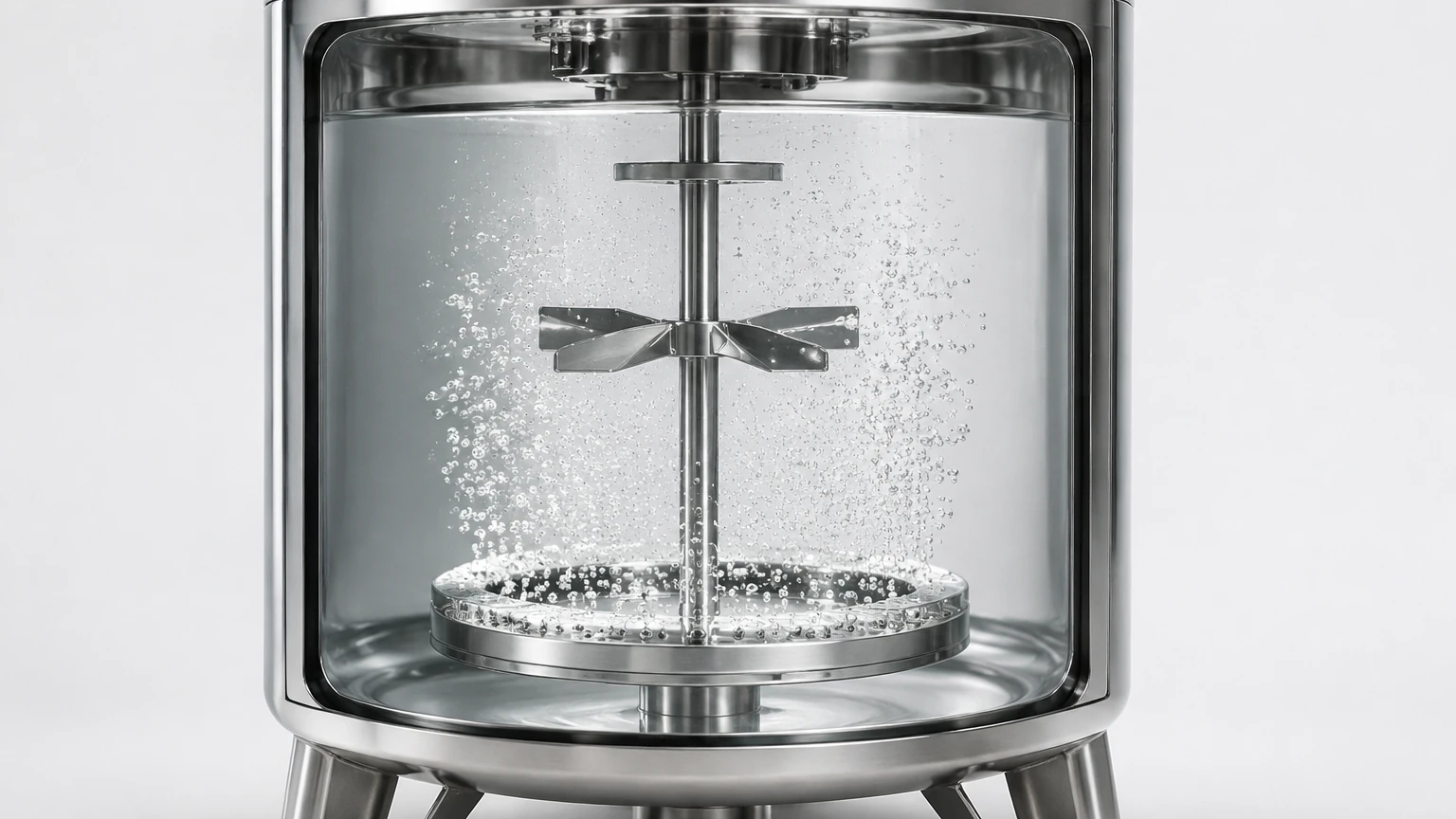
In the field of industrial biotechnology and chemical processing, the efficiency of a bioreactor is often defined by its ability to manage gas-liquid mass transfer. The sparger bioreactor system is a critical assembly where the sparger—a component designed to introduce gas into a liquid medium—serves as the primary interface for aeration and agitation. For engineers and technical procurement teams, selecting the correct sparger technology is not merely a matter of hardware compatibility; it is a fundamental decision that impacts the oxygen transfer rate (OTR), cell viability, and the overall yield of the bioprocess.
As a manufacturer of precision stainless steel filtration and fluid control components, Kaifil provides the technical expertise required to design and implement high-performance sparging solutions. Understanding the engineering principles behind sparger design is essential for optimizing aerobic fermentation, cell culture, and chemical oxidation processes.
The Fundamental Role of Sparging in Aerobic Bioprocesses
The primary function of a sparger in a bioreactor is to provide the necessary dissolved gases—typically oxygen or air—required for microbial or cellular metabolism. In aerobic processes, oxygen is often the limiting nutrient due to its low solubility in aqueous fermentation broths. The efficiency of this gas transfer is governed by the mass transfer equation:
**OTR = kLa(C* – CL)**
Where:
* kL is the liquid-side mass transfer coefficient.
* a is the specific interfacial area (the total surface area of the bubbles per unit volume of liquid).
* C* is the saturated dissolved oxygen concentration.
* CL is the actual dissolved oxygen concentration in the broth.
In a sparger bioreactor, the design of the sparger directly influences the "a" variable. By creating smaller bubbles, the sparger increases the total surface area available for gas exchange for a given volume of gas. Sintered metal spargers, a specialty of Kaifil, are engineered to produce micro-bubbles that significantly enhance the interfacial area compared to traditional drilled-pipe designs. This high-efficiency gas transfer allows for higher cell densities and more intensive metabolic activity without requiring excessive gas flow rates that could lead to foaming or cell damage.
Types of Sparger Designs and Their Applications
Selecting the appropriate sparger type depends on the sensitivity of the biological agent, the viscosity of the medium, and the scale of the operation. There are three primary categories used in industrial bioreactors:
1. Porous (Sintered) Metal Spargers
Sintered stainless steel spargers are the industry standard for high-performance applications. These components are manufactured by sintering metal powders to create a controlled porous structure. They can produce bubbles in the range of 10 to 100 microns.
* Advantages: Maximum surface area for gas transfer, uniform bubble distribution, and high mechanical strength.
* Applications: High-density microbial fermentation, mammalian cell culture (where low shear is required), and delicate pharmaceutical processes.
2. Orifice and Ring Spargers
These consist of a pipe or ring with pre-drilled holes. The bubble size is determined by the diameter of the holes and the gas velocity.
* Advantages: Lower risk of clogging and easier to clean in processes with high solids content.
* Applications: Large-scale wastewater treatment or low-density yeast fermentations where high OTR is not the primary constraint.
3. Micro-spargers
Often used in lab-scale and pilot-scale bioreactors, these are specialized sintered components designed for extremely fine gas distribution, often used to maintain precise dissolved oxygen levels in sensitive mammalian cell lines.
Engineering Sintered Metal Spargers for Optimal Mass Transfer
When designing a sparger bioreactor, engineers must balance the need for high mass transfer with the physical constraints of the system. Several engineering factors must be considered during the specification phase:
Bubble Size and Coalescence
While smaller bubbles provide more surface area, they also have lower rise velocities. In a stirred-tank bioreactor, the interaction between the sparger and the impeller is crucial. If bubbles are too small, they may be easily swept into zones of low turbulence, or they may coalesce (merge) into larger bubbles before they reach the top of the vessel. Sintered metal media allow for the customization of pore sizes to match the specific rheology of the fermentation broth, ensuring that bubble size remains optimal throughout the process.
Pressure Drop (ΔP)
The pressure drop across the sparger is a critical parameter for gas delivery systems. A sparger with pores that are too fine may require high delivery pressures, increasing the energy consumption of the compressor and potentially causing mechanical stress on the sparger assembly. Kaifil's engineering team calculates the permeability of the porous media to ensure that the required gas flow rate is achieved at a manageable pressure drop, maintaining the integrity of the Main Page product standards for industrial durability.
Gas Holdup
Gas holdup refers to the volume fraction of the gas phase within the liquid medium. A well-designed sparger increases gas holdup by slowing the ascent of bubbles and ensuring they are distributed throughout the vessel volume. This increases the residence time of the gas, allowing more time for oxygen to dissolve into the liquid.
Material Science and Biocompatibility in Sparger Construction
In the pharmaceutical and food industries, material selection is dictated by both chemical compatibility and regulatory compliance. Stainless steel 316L is the preferred material for sparger construction due to its excellent corrosion resistance and ability to withstand rigorous cleaning cycles.
Corrosion Resistance
Bioreactors often operate in environments with varying pH levels and high salt concentrations. 316L stainless steel contains molybdenum, which enhances resistance to pitting and crevice corrosion, ensuring that the sparger does not introduce metallic contaminants into the broth.
Surface Finish and Cleanability
For sanitary applications, the surface finish of the sparger and its housing is paramount. Electropolishing is frequently used to reduce surface roughness, which prevents microbial attachment and facilitates effective Cleaning-in-Place (CIP). The porous structure itself must be manufactured to ensure that no media migration occurs—meaning no small metal particles are released into the bioreactor during operation.
Operational Challenges: Fouling, Cleaning, and Maintenance
One of the primary concerns for engineers using sintered metal spargers is fouling. Over time, proteins, cellular debris, and mineral deposits can accumulate within the porous matrix, leading to increased pressure drop and reduced aeration efficiency.
Preventing and Managing Clogging
* Gas Filtration: Ensuring the inlet gas is sterile and free of particulates prevents internal clogging of the sparger.
* CIP/SIP Protocols: Spargers must be designed to withstand Steam-in-Place (SIP) sterilization at temperatures typically around 121°C. Chemical cleaning agents used in CIP must be compatible with the 316L substrate.
* Ultrasonic Cleaning: For deep cleaning, spargers can be removed and placed in an ultrasonic bath to dislodge deeply embedded particulates that standard CIP might miss.
Replacement Cycles
While stainless steel spargers are highly durable, they are considered wear parts in some intensive industrial processes. Regular monitoring of the pressure-to-flow ratio can help maintenance teams predict when a sparger is reaching the end of its functional life, allowing for scheduled replacements during routine downtime rather than emergency shutdowns.
Specifying Custom Sparger Solutions for Industrial Bioreactors
Every bioprocess has unique requirements based on the vessel geometry, impeller type, and the metabolic needs of the organism. When sourcing a sparger, purchasing teams and engineers should confirm several technical specifications with the manufacturer:
1. Micron Rating: The nominal or absolute pore size required to achieve the target bubble diameter.
2. Flow Requirements: The maximum and minimum Standard Liters Per Minute (SLPM) of gas needed.
3. Connection Type: NPT, flange, or sanitary tri-clamp fittings to ensure a leak-proof integration with the bioreactor vessel.
4. Structural Geometry: Whether a single element, a multi-element rake, or a ring configuration is best suited for the vessel's flow patterns.
Kaifil works closely with global customers to develop customized filtration and sparging components that meet these specific demands. By focusing on precision manufacturing and material integrity, we ensure that the sparging system contributes to a stable, repeatable, and efficient bioprocess.
Conclusion
The sparger bioreactor is a cornerstone of modern industrial fermentation. The ability to precisely control gas distribution through high-quality sintered metal components allows for the optimization of mass transfer, which directly translates to improved productivity and lower operational costs. By understanding the engineering considerations—from $k_La$ calculations to material biocompatibility—technical professionals can make informed decisions that enhance the performance of their bioreactor systems. For those seeking reliable, custom-engineered filtration and sparging solutions, exploring the capabilities of a dedicated manufacturer is the first step toward achieving process excellence. Review product options and application support on our Main Page to find the right components for your specific industrial requirements.
