


Sparkler Filters
In the landscape of industrial liquid-solid separation, sparkler filters—technically known as horizontal plate pressure filters—remain a cornerstone technology for batch processing. These systems are prized for their ability to achieve high filtrate clarity and complete recovery of the product, particularly in industries where precision and hygiene are non-negotiable. For engineers and procurement teams, understanding the mechanical nuances, material requirements, and operational variables of sparkler filters is essential for optimizing filtration efficiency and ensuring long-term equipment reliability.
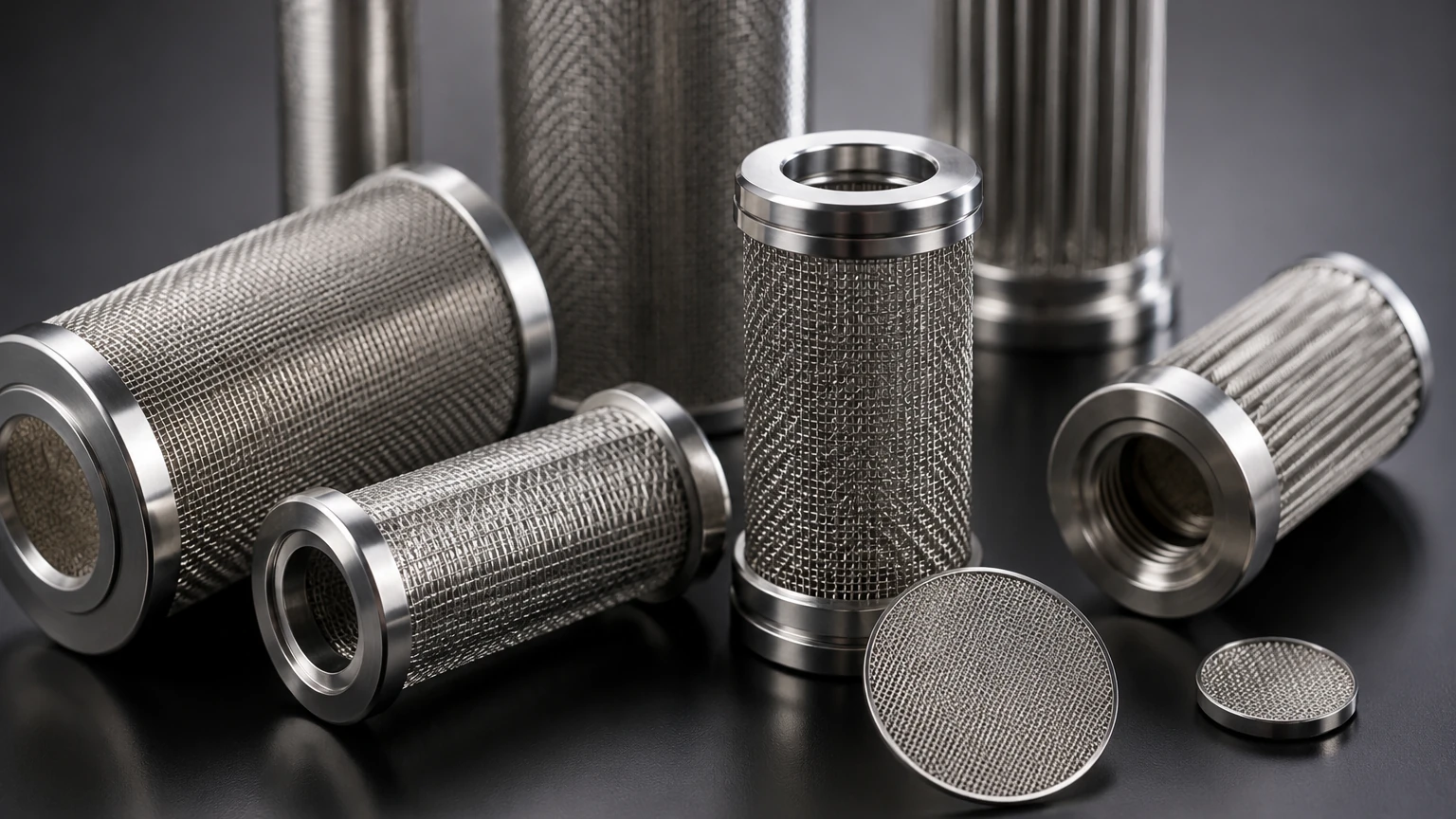
As a specialized manufacturer of stainless steel filtration components, Kaifil provides the precision-engineered wire mesh and filter cartridges that serve as the heart of these systems. By focusing on the technical parameters of sparkler filters, this guide aims to assist technical professionals in evaluating these systems for their specific process requirements.
Understanding the Sparkler Filter Mechanism
The sparkler filter operates on the principle of pressure-driven filtration through a series of horizontal plates. Unlike vertical leaf filters, the horizontal orientation of the plates ensures that the filter cake remains stable even during intermittent flow or pressure fluctuations. This stability is critical for maintaining filtrate quality throughout the batch cycle.
The Filtration Cycle
The process begins with the liquid (slurry) being pumped into the pressure vessel. The liquid surrounds the stack of horizontal plates and is forced through the filter media (usually a combination of stainless steel wire mesh and filter paper or cloth) into the center manifold. As the liquid passes through, solids are retained on the surface of the plates, forming a uniform "cake."
One of the defining features of the sparkler filter is the "zero-bypass" design. Because the plates are stacked and sealed within a pressurized chamber, there is no path for the unfiltered liquid to bypass the media. This makes sparkler filters ideal for polishing applications where even trace amounts of particulate matter must be removed.
The Scavenging Plate
A common challenge in batch filtration is the "heel"—the volume of unfiltered liquid remaining in the vessel at the end of a cycle. Sparkler filters often incorporate a scavenging plate at the bottom of the stack. This specialized plate allows the operator to filter the final remains of the batch, ensuring maximum product recovery, which is particularly vital when processing expensive chemicals or pharmaceutical active ingredients (APIs).
Critical Components and Material Selection
The performance of a sparkler filter is heavily dependent on the quality and specification of its internal components. Engineering teams must specify materials that can withstand the chemical environment, temperature, and mechanical stresses of the application.
Filter Plates and Support Structures
Filter plates are typically constructed from stainless steel (SS 304, SS 316, or SS 316L) or specialized alloys like Hastelloy for highly corrosive environments. The design of the plate must facilitate even distribution of the slurry and efficient drainage of the filtrate. Precision-machined surfaces are required to ensure a tight seal between the plates and the gaskets, preventing internal leakage.
Stainless Steel Wire Mesh
The primary filtration media often involves a multi-layered approach. While filter paper or cloth provides the final micron rating, a robust stainless steel wire mesh serves as the support structure. High-quality mesh ensures that the media does not sag or tear under pressure. For many industrial applications, the mesh itself acts as the primary filter. Selecting the correct weave—such as plain Dutch weave or twilled Dutch weave—is essential for balancing flow rate with particle retention.
Gaskets and Seals
Given that sparkler filters operate under pressure (typically up to 5-7 bar), the integrity of the seals is paramount. Gasket materials must be selected based on chemical compatibility. Common options include EPDM, Viton, PTFE, and Silicone. In pharmaceutical and food applications, these materials must also meet FDA or USP Class VI standards.
Engineering Evaluation: Flow Rates and Solids Loading
When selecting or designing a sparkler filter system, engineers must calculate the required filtration area based on the desired flow rate and the solids concentration of the feed.
Calculating Filtration Area
The total filtration area is determined by the number and diameter of the plates. Standard plate diameters range from 8 inches to 33 inches. A larger surface area allows for longer cycle times before the cake capacity is reached. If the solids loading is high, a larger cake space between the plates is necessary to prevent premature pressure buildup.
Viscosity and Temperature
Liquid viscosity significantly impacts the flux rate (flow per unit area). Higher viscosity liquids require higher pressure or a larger filtration area to maintain throughput. Operating temperature also plays a role; as temperature increases, viscosity typically decreases, but the thermal expansion of the filter components and the chemical resistance of the gaskets must be accounted for in the system design.
Pressure Drop (Delta P)
Monitoring the pressure drop across the filter stack is the primary method for determining when the filter cycle is complete. As the cake thickness increases, the resistance to flow rises. Engineers must define the maximum allowable pressure drop to prevent cake compression or damage to the internal plates. Typically, a cycle is terminated when the pressure reaches a pre-set limit or when the flow rate drops below a functional threshold.
Application-Specific Requirements
Sparkler filters are versatile, but their configuration must be tailored to the specific industry they serve. Each sector brings unique challenges regarding contamination control and material handling.
Pharmaceutical and Biotech
In these sectors, the focus is on sterility and cleanability. Sparkler filters are often designed with a polished internal surface (Ra < 0.4 µm) and are compatible with Cleaning-in-Place (CIP) and Sterilization-in-Place (SIP) protocols. The ability to completely recover the cake is a major advantage for harvesting high-value solids.
Food and Beverage
For applications like syrup filtration, edible oil polishing, or beverage clarification, the filter must comply with sanitary standards. The use of food-grade stainless steel and non-toxic gaskets is mandatory. Here, the sparkler filter is often used with filter aids like diatomaceous earth (DE) or perlite to improve clarity and extend cycle life.
Chemical Processing
Chemical applications often involve aggressive solvents or acids. The selection of the alloy for the vessel and plates is the most critical decision. Engineers must also consider the potential for static buildup when filtering flammable solvents, requiring proper grounding of the filter assembly.
Operational Best Practices and Maintenance
To achieve the total cost of ownership (TCO) benefits of a sparkler filter, a disciplined approach to operation and maintenance is required.
1. Priming and Air Venting: Before starting the filtration cycle, the vessel must be completely filled with liquid, and all air must be vented. Trapped air can cause turbulence that disturbs the cake formation.
2. Cake Washing: If the goal is to recover the solids, the cake can be washed in situ by pumping a wash liquid through the stack. The horizontal plate design ensures that the wash liquid passes uniformly through the cake without channeling.
3. Cleaning and Inspection: After each batch, the plate stack is usually removed for cleaning. This is the ideal time to inspect the stainless steel wire mesh for signs of wear, blinding, or mechanical damage. Even minor deformations in the mesh can lead to uneven cake distribution and reduced efficiency.
4. Replacement Cycles: While the stainless steel plates can last for decades, the consumable media and gaskets require regular replacement. Establishing a preventative maintenance schedule based on the number of cycles or total volume processed helps avoid unplanned downtime.
Selecting the Right Filtration Partner
Choosing a sparkler filter system involves more than just selecting a vessel size. It requires a deep understanding of how the internal components interact with the process fluid. As industrial processes become more demanding, the need for customized filtration solutions grows.
Kaifil specializes in manufacturing the precision components that make these systems effective. From custom-sized stainless steel filter discs to high-performance wire mesh supports, our engineering team works with global customers to ensure their filtration systems meet the highest standards of durability and accuracy. Whether you are designing a new system or looking to optimize an existing process, selecting high-quality internal components is the first step toward reliable performance.
For more information on customized stainless steel filtration solutions and technical support for your industrial applications, visit our Main Page.
Conclusion
Sparkler filters remain a vital tool for batch filtration due to their stability, zero-bypass design, and versatility. By focusing on the technical fundamentals—from metallurgy and mesh selection to flow dynamics and pressure management—engineers can ensure that their filtration processes are both efficient and cost-effective. Investing in high-quality components and following rigorous operational protocols will maximize the lifespan of the equipment and ensure the purity of the final product.
