


Storage Tanks for Chemical Suppliers
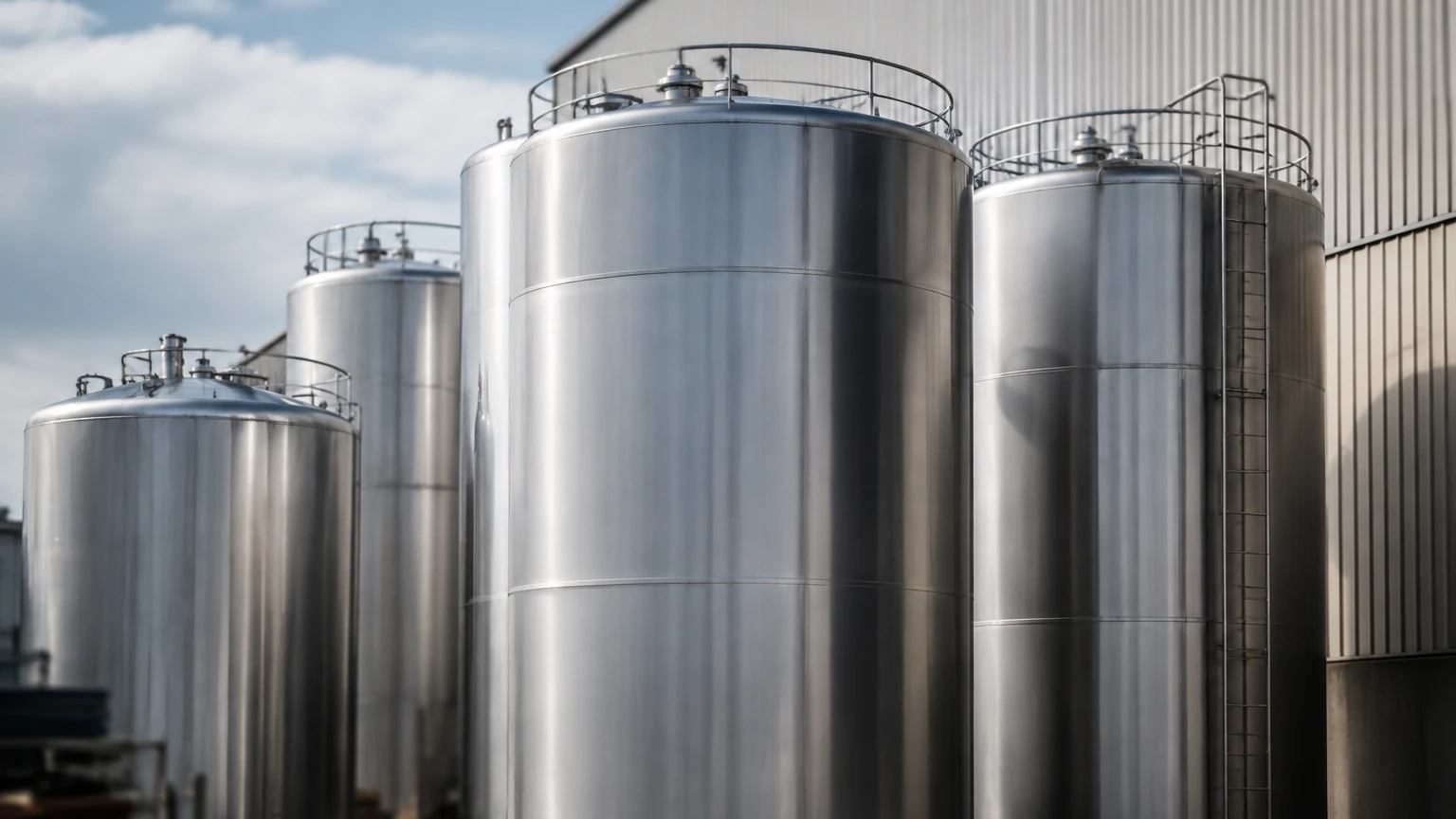
In the industrial chemical sector, the integrity of storage systems is a fundamental pillar of operational safety and product purity. For chemical suppliers, storage tanks are not merely passive containers; they are engineered systems designed to maintain the chemical properties of the contents while protecting the surrounding environment and personnel. The selection, design, and maintenance of storage tanks for chemical suppliers involve complex engineering considerations, ranging from material compatibility to the integration of high-precision filtration components.
As global supply chains become more stringent regarding contamination levels, the role of stainless steel filtration in these storage systems has become increasingly critical. Ensuring that chemicals remain free of particulates during loading, storage, and unloading is essential for meeting the quality standards required in pharmaceutical, food-grade, and high-purity industrial applications.
Engineering Requirements for Chemical Storage Systems
Storage tanks for chemical suppliers must be designed to withstand the specific corrosive properties of the chemicals they hold. The choice of material is the first and most critical decision in the engineering process. While various plastics and lined steels are used for lower-tier applications, stainless steel remains the industry standard for high-value or highly reactive chemicals due to its durability and resistance to a wide range of pH levels.
Material Compatibility: SS304 vs. SS316L
When specifying storage tanks and their internal components, engineers typically evaluate between Grade 304 and Grade 316L stainless steel. SS304 is suitable for many organic chemicals and mild inorganic acids. However, for suppliers handling chlorides, sulfuric acid, or high-purity solvents, SS316L is preferred. The addition of molybdenum in 316L provides superior resistance to pitting and crevice corrosion, which is vital for maintaining the structural integrity of the tank over a decades-long service life.
Structural Integrity and Pressure Management
Chemical storage tanks must account for internal pressure fluctuations caused by temperature changes or the pumping of fluids. Atmospheric tanks must be equipped with robust venting systems to prevent vacuum collapse during unloading or over-pressurization during filling. These vents are often the primary entry point for environmental contaminants, necessitating the use of specialized breather filters to maintain a sterile or particulate-free headspace.
The Critical Role of Filtration in Chemical Storage
Filtration is an active component of the storage lifecycle. Chemical suppliers must ensure that the product entering the tank is clean and that the product leaving the tank meets the customer’s specifications. This requires a multi-stage filtration strategy integrated directly into the storage infrastructure.
Inbound Filtration (Loading)
During the transfer of chemicals from transport tankers to stationary storage tanks, there is a high risk of introducing external contaminants. These can include scale from pipes, dust from the environment, or debris from the transport vessel itself. High-flow wire mesh filters or stainless steel filter cartridges are typically installed at the inlet to capture these particulates before they settle at the bottom of the storage tank, where they could cause long-term corrosion or microbial growth.
Tank Venting and Breather Filters
As a tank is emptied, air is drawn in from the atmosphere. If this air is not filtered, moisture and airborne particulates can contaminate the chemical. For moisture-sensitive chemicals, desiccant breathers are used, but for particulate control, precision metal filter elements are essential. These filters must have high permeability to allow for rapid air exchange while maintaining a strict micron rating to block fine dust and microbes.
Outbound Filtration (Dispensing)
When chemicals are dispensed to end-users, a final "police filter" is often used. This ensures that any particulates generated within the tank—such as microscopic metal fragments or precipitated solids—are removed before the product reaches the customer. For many chemical suppliers, providing a certificate of analysis (CoA) that includes filtration data is a competitive advantage.
Selecting Filtration Components for Chemical Tanks
Choosing the right filtration components for storage tanks for chemical suppliers requires a deep understanding of fluid dynamics and material science. Engineers must balance filtration accuracy with flow rates and pressure drops.
Wire Mesh Filters for Bulk Processing
Stainless steel wire mesh filters are ideal for high-flow applications where durability is paramount. These filters can be customized in terms of weave type (plain, twill, or dutch weave) to achieve specific filtration goals. In chemical storage, they are often used as pre-filters to protect more sensitive downstream equipment. Their ability to be cleaned and reused makes them a cost-effective choice for bulk chemical handling.
Sintered Metal Filter Cartridges
For applications requiring extreme precision, sintered metal filter cartridges offer superior performance. Sintering bonds stainless steel particles or fibers together, creating a rigid structure that can withstand high differential pressures and aggressive chemical cleaning cycles. These are frequently used in the pharmaceutical and specialty chemical industries where sub-micron filtration is required.
Customization and OEM Solutions
Every chemical storage facility has unique spatial and operational constraints. Off-the-shelf filtration solutions often fail to meet the specific flow requirements or flange configurations of a custom-built tank. Working with a manufacturer that provides OEM and customized filtration solutions allows engineers to integrate filters directly into the tank's manifold or venting system, optimizing space and reducing the number of potential leak points.
Operational Safety and Risk Mitigation
Storage tanks for chemical suppliers are subject to rigorous safety regulations, such as those outlined by the EPA or local environmental agencies. Failure to maintain these systems can lead to catastrophic leaks, environmental fines, and loss of reputation.
Preventing Corrosion through Filtration
Particulates that settle at the bottom of a tank can create localized areas of corrosion, known as "under-deposit corrosion." By implementing effective inlet filtration, suppliers can significantly reduce the accumulation of sediment, thereby extending the time between internal tank inspections and reducing the risk of floor failure.
Managing Total Cost of Ownership (TCO)
While the initial cost of high-quality stainless steel filters may be higher than disposable plastic alternatives, the TCO is significantly lower. Stainless steel components are resistant to the thermal shocks and chemical degradation that cause plastics to fail. Furthermore, the ability to perform in-situ cleaning (CIP) or ultrasonic cleaning on metal filters reduces the ongoing expense of replacement parts and minimizes hazardous waste disposal associated with used filter elements.
Technical Considerations for Engineers
Before purchasing filtration components for chemical storage, engineers should confirm several technical parameters to ensure system compatibility:
1. Chemical Compatibility: Verify that the filter media, gaskets, and housing materials are fully resistant to the chemical being stored, including any trace impurities or cleaning agents used.
2. Micron Rating and Efficiency: Distinguish between nominal and absolute micron ratings. For critical chemical purity, absolute-rated filters are necessary to ensure that 99.9% of particles above a certain size are captured.
3. Flow Rate and Pressure Drop: Ensure the filter is sized to handle the maximum pumping speed of the loading/unloading system without creating an excessive pressure drop that could damage pumps or slow down operations.
4. Cleaning Protocols: Determine if the filter can be cleaned using standard chemical solvents or if specialized equipment like ultrasonic baths will be required.
Conclusion
The infrastructure surrounding storage tanks for chemical suppliers is a complex ecosystem where every component must be engineered for reliability and precision. High-performance filtration is not just an add-on; it is a vital safeguard that ensures the purity of the chemical product and the longevity of the storage assets. By selecting the appropriate stainless steel wire mesh or cartridge filters, chemical suppliers can achieve a balance of operational efficiency, safety, and cost-effectiveness.
For engineers and procurement teams looking to optimize their filtration systems, Kaifil offers a range of professional manufacturing capabilities. From custom material selection to precision engineering of filter components, Kaifil supports the demanding requirements of industrial chemical processing. To explore the full range of custom stainless steel filtration solutions and technical support, visit the Main Page to review product options and application support. By focusing on quality manufacturing and customized designs, suppliers can ensure their storage systems meet the highest standards of the modern chemical industry.
