


Suction Filter
In industrial hydraulic and fluid handling systems, the suction filter serves as the primary line of defense for the most expensive and critical component: the pump. Positioned on the inlet side of the pump, typically submerged within a reservoir or installed in-line before the pump intake, these components are engineered to capture large particulates and debris that could cause immediate mechanical failure. While often overlooked in favor of high-precision pressure or return-line filters, the suction filter is fundamental to the longevity and reliability of any fluid power system.
For engineers and procurement professionals, selecting a suction filter is not merely a matter of choosing a mesh size. It requires a deep understanding of fluid dynamics, specifically regarding pressure drop and the risk of cavitation. This guide explores the technical nuances of suction filtration, material considerations, and the engineering parameters necessary to ensure optimal system performance.
Understanding the Fundamental Function of a Suction Filter
The primary objective of a suction filter is "pump protection." In the context of industrial manufacturing, systems are often exposed to various contaminants, including metal shavings from machining, scale from reservoirs, or accidental debris introduced during maintenance. If these large particles enter the pump, they can cause catastrophic damage to gears, vanes, or pistons, leading to costly downtime and equipment replacement.
Unlike downstream filters that focus on maintaining fluid cleanliness levels (measured by ISO 4406 codes), suction filters are generally coarse. They are designed to remove particles ranging from 74 to 150 microns (typically 100-mesh). The reason for this relatively coarse filtration is the physics of the suction line. Because the pump must "pull" fluid through the filter, any significant resistance can lead to a drop in pressure that falls below the fluid's vapor pressure, causing cavitation. Therefore, the suction filter must balance the need for protection with the requirement for low flow resistance.
Critical Engineering Parameters for Suction Line Filtration
When specifying a suction filter for an industrial application, several technical factors must be evaluated to prevent system inefficiency or pump damage. For more detailed technical specifications and support, engineers can visit the Main Page of the manufacturer to review specific performance data.
1. Flow Rate and Velocity
Suction filters must be sized to handle the maximum flow rate of the pump under the worst-case conditions. A common engineering rule of thumb is to size the suction filter for at least two to three times the pump's rated flow. This oversized approach ensures that even as the filter begins to collect debris, the pressure drop remains within acceptable limits.
2. Pressure Drop (Delta P) and NPSH
The Net Positive Suction Head (NPSH) is the total head at the pump suction. If the pressure drop across the suction filter is too high, the NPSH available will drop below the NPSH required by the pump. This leads to the formation of vapor bubbles in the fluid. As these bubbles move into the higher-pressure areas of the pump, they collapse violently, eroding metal surfaces and causing the characteristic "marbles in a blender" sound of cavitation.
3. Fluid Viscosity and Temperature
Fluid viscosity has a direct impact on the pressure drop across a filter. During a cold start, hydraulic oil is much thicker than it is at operating temperature. A suction filter that performs perfectly at 60°C may cause a pump to cavitate at 10°C. Engineers must account for the maximum viscosity of the fluid during startup when selecting the mesh size and surface area of the filter.
Material Science: The Advantages of Stainless Steel Wire Mesh
In demanding industrial environments, the material of the filter element determines its durability and chemical compatibility. While some low-cost applications use paper or plastic media, stainless steel wire mesh is the industry standard for high-performance suction filters.
Corrosion Resistance
Stainless steel (primarily Grade 304 or 316L) offers exceptional resistance to a wide range of industrial fluids, including synthetic oils, water-glycols, and various chemicals used in processing. This prevents the filter itself from becoming a source of contamination through oxidation or chemical degradation.
Structural Integrity
Suction filters are subject to mechanical stresses, especially during high-flow conditions or when fluid viscosity is high. Stainless steel mesh provides the structural rigidity necessary to maintain its shape and filtration integrity. For high-differential pressure applications, the mesh is often supported by a perforated metal core or an external cage to prevent collapse.
Cleanability and Reusability
One of the primary B2B advantages of stainless steel suction filters is their ability to be cleaned and reused. Unlike disposable cellulose elements, a stainless steel mesh filter can be ultrasonically cleaned or backflushed, significantly reducing the total cost of ownership and the environmental impact of industrial waste.
Managing the Risks of Cavitation and Pressure Drop
Cavitation is the most significant risk associated with the use of suction filters. To mitigate this risk, several design features and monitoring tools are employed in professional industrial setups.
* Vacuum Gauges: Monitoring the vacuum level between the filter and the pump is essential. A vacuum gauge or switch can alert operators when the filter is becoming clogged, allowing for maintenance before cavitation occurs.
* Bypass Valves: Some suction filters are equipped with internal bypass valves. If the pressure drop exceeds a certain threshold (e.g., 3 psi or 0.2 bar), the valve opens to allow fluid to bypass the filter. While this allows unfiltered fluid into the pump, it is often considered a "lesser of two evils" compared to the immediate destruction caused by cavitation. However, in many high-stakes applications, bypasses are avoided in favor of strict monitoring and oversized filtration.
* Magnetic Inserts: Many suction filters incorporate magnetic columns. These are designed to capture fine ferrous particles that might be small enough to pass through the mesh but are still harmful to the pump. This adds an extra layer of protection without increasing the pressure drop.
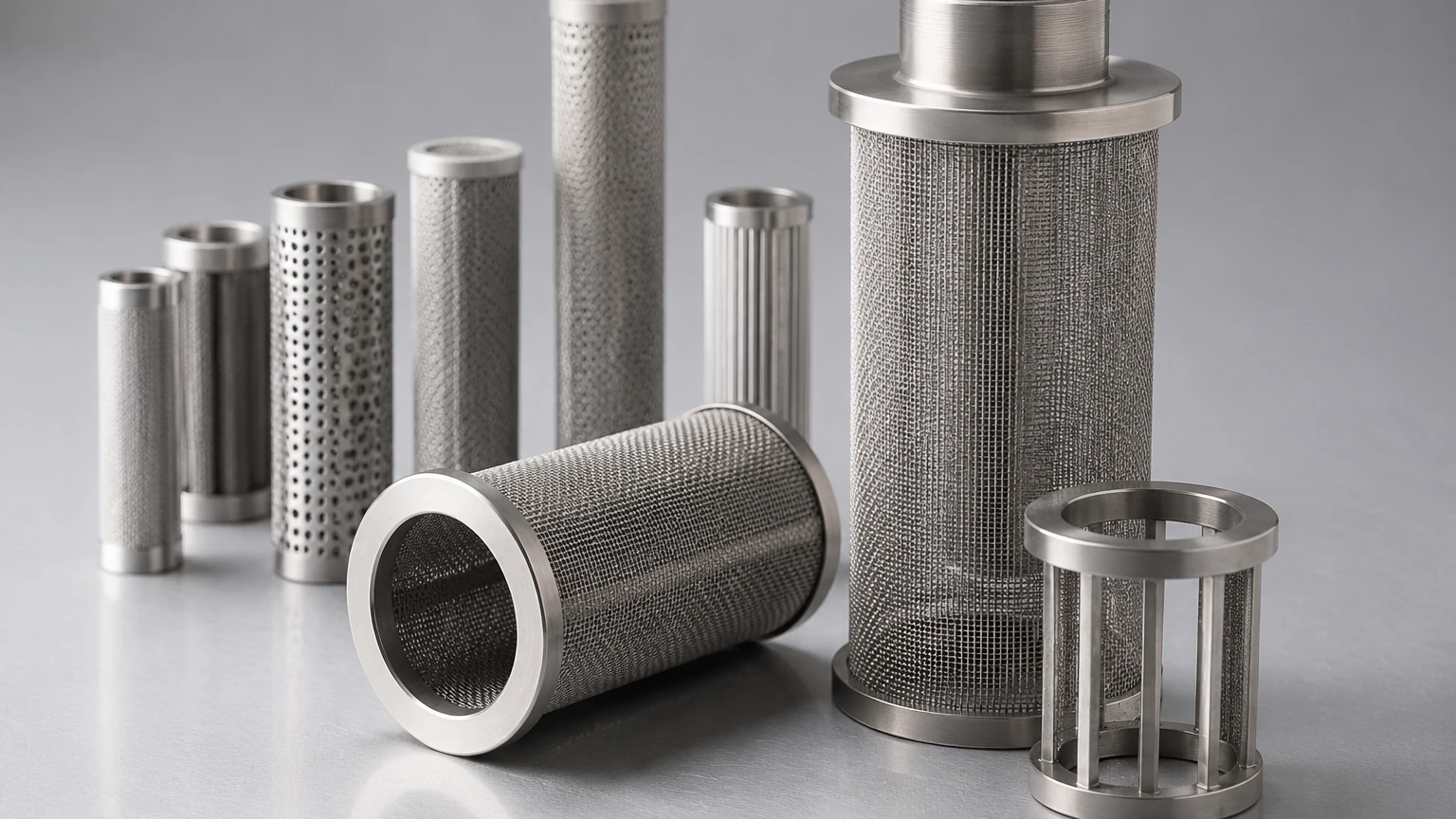
Customization and OEM Integration for Industrial Applications
Every industrial system has unique spatial and performance constraints. Manufacturers like Kaifil specialize in providing customized suction filter solutions that go beyond off-the-shelf components. Customization options often include:
* End Fittings and Connections: Whether the system requires NPT, BSPP, SAE O-ring bosses, or flanged connections, custom manufacturing ensures a leak-free interface with existing piping.
* Pleated vs. Cylindrical Designs: While a simple cylindrical mesh screen is sufficient for low-flow applications, pleating the stainless steel mesh significantly increases the surface area. This increased area allows for higher flow rates and longer service intervals while maintaining a low pressure drop.
* Mounting Configurations: Suction filters can be designed for vertical or horizontal mounting, and can be integrated directly into reservoir walls or installed as standalone in-line units.
For engineers developing new machinery, collaborating with a manufacturer during the design phase allows for the integration of a suction filter that perfectly matches the pump’s requirements and the reservoir’s geometry. Detailed information on these capabilities can be found on the Main Page.
Maintenance Protocols and Performance Monitoring
A suction filter is only effective if it is properly maintained. Because these filters are often located inside the reservoir, they can be "out of sight, out of mind." However, a proactive maintenance schedule is critical.
Inspection Cycles
In new systems, suction filters should be inspected frequently during the first few hundred hours of operation, as this is when "built-in" contamination (like welding slag or assembly debris) is most likely to be captured. In established systems, inspection cycles should be based on vacuum gauge readings or scheduled reservoir cleanouts.
Cleaning Procedures
When cleaning stainless steel suction filters, it is important to use compatible solvents and avoid mechanical scrubbing that could damage the wire mesh. Ultrasonic cleaning is the preferred method for removing fine particles trapped within the weave of the mesh. After cleaning, the filter should be inspected for any signs of mesh fatigue or breakthrough before being reinstalled.
Replacement Indicators
While stainless steel filters are durable, they are not infinite. Signs that a suction filter needs replacement include permanent deformation of the mesh, corrosion (if exposed to incompatible chemicals), or an inability to return to baseline pressure drop levels after cleaning.
Procurement Considerations for Industrial Filtration Systems
For purchasing departments and technical buyers, the goal is to balance initial acquisition costs with long-term operational reliability. When evaluating suction filter suppliers, consider the following factual criteria:
1. Manufacturing Standards: Ensure the filters are manufactured to recognized industrial standards, such as ISO 2941 (collapse/burst resistance) and ISO 2942 (bubble point test for fabrication integrity).
2. Material Certification: Verification of the stainless steel grade (e.g., 304 vs. 316) is essential for applications involving corrosive fluids or food-grade environments.
3. Technical Support: A reliable supplier should be able to provide pressure drop curves and flow velocity calculations based on the specific fluid viscosity of your application.
4. Lead Times and Customization: For OEM applications, the ability of the manufacturer to scale production and provide consistent quality across large batches is a key differentiator.
Conclusion
The suction filter is a vital component in the protection of hydraulic and fluid systems. By understanding the technical requirements of the suction line—specifically the critical balance between filtration efficiency and pressure drop—engineers can specify solutions that prevent pump failure and extend the life of the entire system. Stainless steel wire mesh remains the material of choice for these applications due to its strength, chemical resistance, and long-term cost-effectiveness.
When selecting a partner for industrial filtration needs, it is important to work with manufacturers who understand the engineering rigors of the field. For comprehensive information on stainless steel filtration products and custom engineering services, professionals are encouraged to visit the Main Page to explore the full range of industrial solutions available.
