


Traveling Water Screens
In industrial water management, the integrity of downstream processes depends heavily on the efficiency of the initial intake system. Traveling water screens (TWS) serve as the primary mechanical filtration barrier for facilities drawing large volumes of water from natural sources such as rivers, lakes, and oceans. Whether for power plant cooling, municipal water treatment, or large-scale chemical processing, these systems are engineered to remove debris—ranging from large aquatic vegetation and sticks to smaller plastic particulates—before they can enter and damage pumps, heat exchangers, and sensitive filtration components.
For engineers and procurement specialists, selecting or maintaining a traveling water screen system requires a deep understanding of material science, fluid dynamics, and mechanical endurance. As a manufacturer specializing in precision filtration media, Kaifil recognizes that the performance of a TWS is fundamentally tied to the quality of its screen panels and the engineering of its mesh. This guide explores the technical specifications, material considerations, and operational strategies essential for optimizing traveling water screen performance.
The Mechanical Architecture of Traveling Water Screens
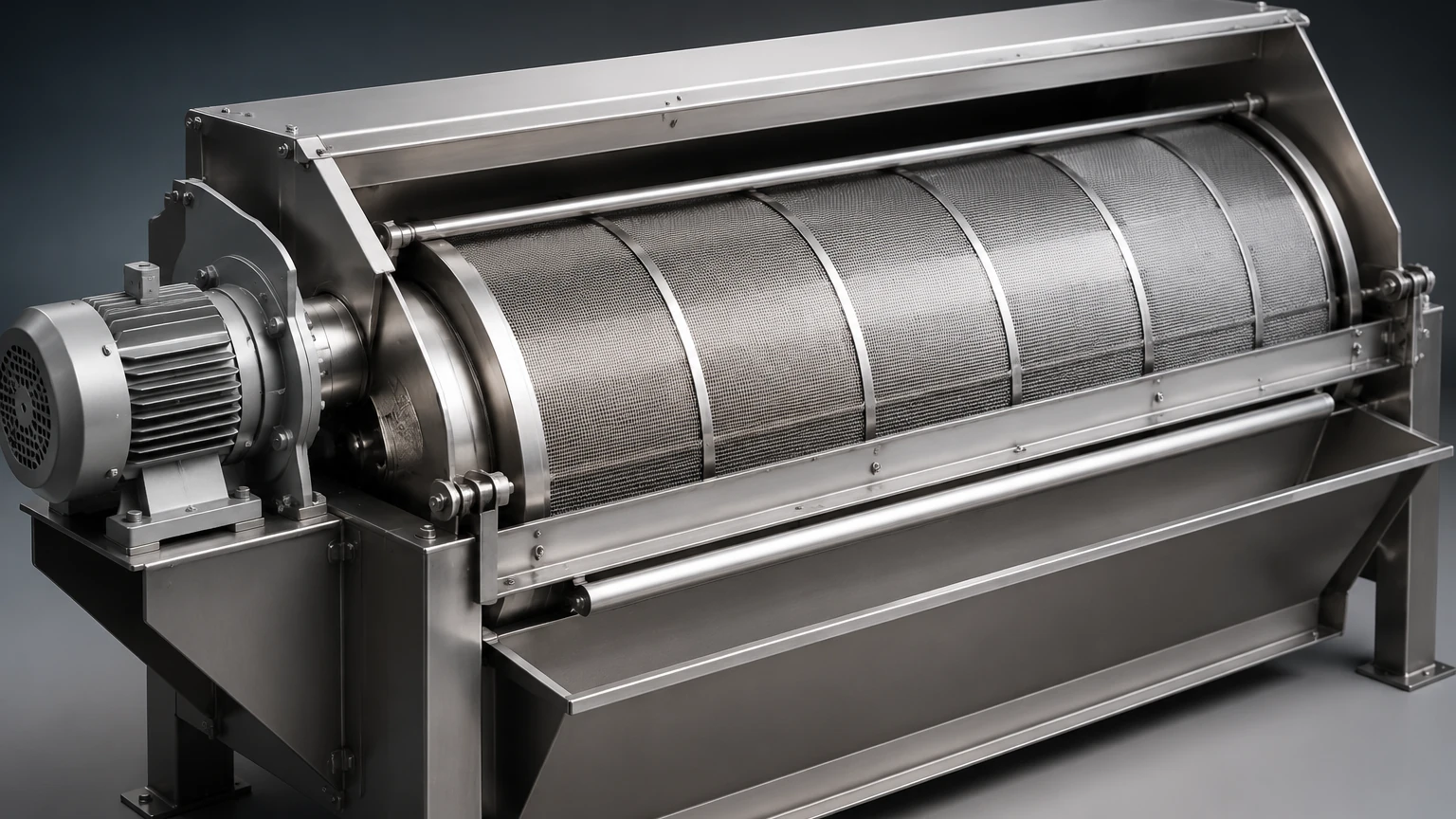
A traveling water screen is a continuous-loop filtration system designed to operate partially submerged in an intake channel. The system consists of a series of screen panels (or baskets) mounted on two strands of heavy-duty roller chain. These chains travel around head and boot sprockets, moving the screen panels vertically through the water column.
Thru-Flow vs. Dual-Flow Designs
There are two primary configurations for traveling water screens, each dictated by the hydraulic requirements of the site:
1. Thru-Flow Screens: The most common design where the screen is positioned perpendicular to the water flow. Water passes through the ascending and descending screen panels from front to back. While mechanically simpler, Thru-Flow screens can sometimes allow "carry-over"—debris that adheres to the screen and is washed into the clean water side if the spray system is not perfectly aligned.
2. Dual-Flow Screens: These are positioned parallel to the flow. Water enters the center of the unit and flows outward through both the ascending and descending screen panels. This design eliminates debris carry-over because the clean water only interacts with the interior of the screen loop, and it typically allows for a higher flow capacity within a smaller footprint.
Material Selection for Corrosive Environments
The longevity of a traveling water screen is primarily a function of its material composition. Because these systems are constantly exposed to raw water, which may contain high levels of chlorides, industrial pollutants, or biological organisms, the choice of metal is critical.
Stainless Steel Alloys
At Kaifil, we emphasize the use of high-grade stainless steel for filtration components due to its superior strength-to-weight ratio and corrosion resistance. In TWS applications, the following alloys are standard:
* AISI 304/304L: Suitable for freshwater applications with low chloride content. It provides excellent structural integrity and is cost-effective for standard industrial intake.
* AISI 316/316L: The industry standard for brackish water or environments where chemical runoff is present. The addition of molybdenum enhances resistance to pitting and crevice corrosion.
* Duplex Stainless Steels: For seawater intakes or highly aggressive chemical environments, Duplex alloys offer nearly double the yield strength of austenitic steels and exceptional resistance to stress corrosion cracking.
Protection Against Biofouling
In many aquatic environments, biofouling—the accumulation of algae, mussels, and other organisms—can significantly restrict flow and increase head loss. While mechanical spray washes handle most debris, the mesh itself can be treated or manufactured from specific alloys to inhibit biological attachment. High-quality surface finishes on stainless steel mesh also facilitate easier cleaning during the spray-wash cycle.
Engineering the Filtration Media: Mesh and Wire Specifications
The most critical component of the traveling water screen is the mesh panel. The mesh must balance the need for high open area (to minimize head loss) with the structural rigidity required to withstand the pressure of debris loading.
Aperture and Wire Diameter
Engineers must specify the mesh aperture based on the smallest debris size that the downstream equipment can tolerate. However, reducing the aperture size often requires a corresponding decrease in wire diameter to maintain the open area, which can compromise the panel's lifespan.
* Opening Size: Typically ranges from 1/8 inch (3mm) to 1/2 inch (12mm) for standard industrial intake, though finer mesh is used for specialized applications.
* Wire Gauge: Heavier wire gauges are preferred for systems facing high debris loads (e.g., during seasonal leaf falls or storm events) to prevent mesh bulging or tearing.
Weave Types
While plain square weaves are standard, specialized weave patterns can be employed to enhance debris release. A smooth-top weave, for instance, provides a flatter surface that prevents debris from becoming mechanically wedged in the mesh intersections, ensuring that the high-pressure spray wash can effectively clear the panels.
Hydraulic Performance and Head Loss
Head loss—the pressure drop across the screen—is a primary metric for TWS efficiency. Excessive head loss can lead to "screen blinding," where the water level on the downstream side drops significantly, potentially causing pump cavitation or even structural failure of the screen panels due to the differential pressure.
Through-Screen Velocity
To meet environmental regulations and maintain hydraulic balance, the through-screen velocity is usually limited. In many regions, regulations (such as Section 316(b) of the Clean Water Act in the U.S.) mandate a maximum intake velocity of 0.5 feet per second (fps) to protect aquatic life from impingement. Designing the screen with a high percentage of open area is essential to meeting these velocity requirements without oversized, costly intake structures.
Debris Loading Calculations
When specifying a TWS, engineers must account for the "worst-case scenario" debris loading. This involves calculating the motor torque and chain strength required to lift a fully loaded screen. If the filtration media is too fine for the environment, the frequency of the travel cycle must increase, leading to accelerated wear on the mechanical drive components.
Maintenance and Operational Longevity
A traveling water screen is a significant capital investment. Extending its service life requires a proactive maintenance strategy centered on the wear components.
Wear Parts and Replacement Cycles
The primary wear points in a TWS are the chains, sprockets, and the seals between the screen panels and the frame.
* Chain Tensioning: Regular adjustment is required to prevent the screen panels from racking or jamming.
* Spray Nozzle Inspection: Clogged nozzles result in poor debris removal, leading to carry-over and increased mesh fouling.
* Panel Replacement: Over time, even the highest quality stainless steel mesh may suffer from mechanical fatigue or localized impact damage. Utilizing modular screen panels allows for rapid replacement of individual sections rather than the entire screen belt.
Total Cost of Ownership (TCO)
While carbon steel or coated screens may have a lower initial purchase price, the TCO is almost always higher than stainless steel alternatives. The costs associated with downtime, frequent recoating, and premature replacement of corroded panels quickly outweigh the initial savings. High-performance filtration solutions, such as those found on the Main Page, demonstrate that investing in superior materials at the outset yields long-term operational stability.
Customization and OEM Integration
Every industrial intake site is unique, influenced by local water chemistry, debris types, and flow requirements. Off-the-shelf solutions rarely provide the optimal balance of filtration efficiency and durability. Customization options for traveling water screens include:
* Variable Frequency Drives (VFDs): Allowing the screen to speed up during high debris events and slow down during clean water periods to conserve energy and reduce wear.
* Modified Basket Designs: Incorporating "fish buckets" or specialized troughs to safely transport aquatic life back to the water source.
* Precision Mesh Overlays: For facilities requiring finer filtration than a standard TWS can provide, fine-mesh overlays can be integrated into the existing basket structure.
Kaifil’s expertise in custom stainless steel filtration allows us to support OEM manufacturers and plant engineers in developing these specialized components. By focusing on the precision of the wire mesh and the durability of the filter cartridge elements, we ensure that the heart of the filtration system performs reliably under demanding conditions.
Conclusion: Critical Checkpoints for Engineers
Before finalizing a specification for traveling water screens or replacement panels, engineering teams should confirm the following data points:
1. Maximum and Minimum Water Levels: To ensure the screen height and motor placement are adequate for all seasonal variations.
2. Chemical Composition of Intake Water: Specifically chloride levels and pH, to determine the appropriate stainless steel grade (304 vs. 316 vs. Duplex).
3. Target Debris Size: To balance filtration fineness with hydraulic head loss.
4. Flow Rate Requirements: To calculate the necessary screen width and through-screen velocity.
5. Environmental Compliance: Ensuring the design meets local standards for fish and wildlife protection.
Traveling water screens remain a cornerstone of industrial water intake. By prioritizing material quality and technical precision in the screen media, facilities can protect their downstream assets, reduce maintenance overhead, and ensure continuous operational uptime. For more information on high-performance industrial filtration components and customized stainless steel solutions, Review product options and application support.
