


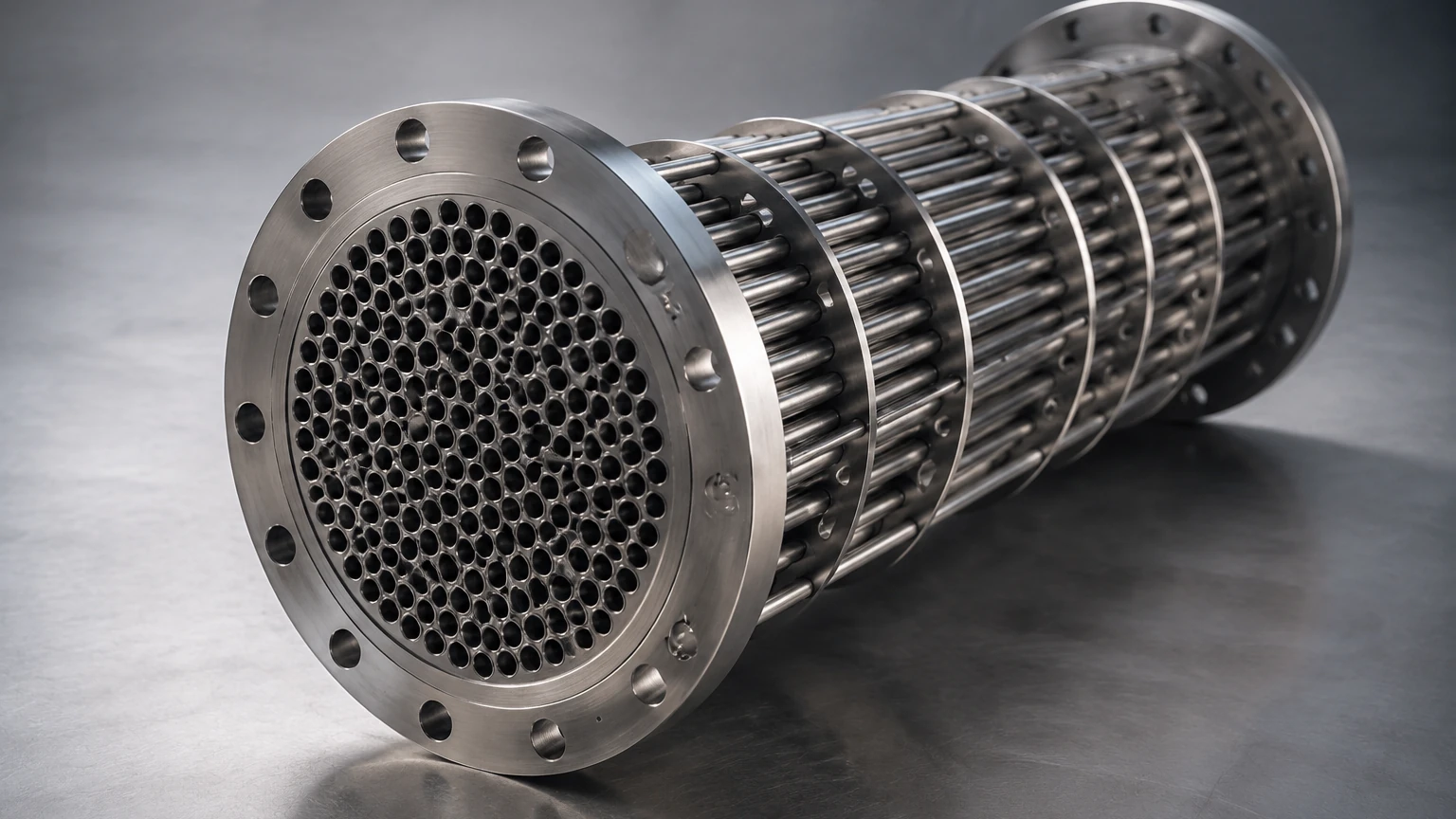
Tube and Bundle Heat Exchanger
In the landscape of industrial thermal management, the tube and bundle heat exchanger—commonly referred to as the shell and tube heat exchanger—remains the most prevalent design for high-pressure and high-temperature applications. Its robust architecture allows for the efficient transfer of heat between two fluids without them coming into direct contact. For engineers and procurement specialists, understanding the technical nuances of tube bundles, material selection, and the critical role of integrated filtration is essential for maintaining system integrity and optimizing the total cost of ownership.
Understanding the Fundamentals of Tube and Bundle Heat Exchangers
The core of this technology lies in the "bundle," a collection of tubes housed within a larger cylindrical shell. One fluid flows through the tubes (the tube-side fluid), while another fluid flows over the tubes within the shell (the shell-side fluid). The efficiency of this exchange is governed by the surface area of the tubes, the thermal conductivity of the materials, and the flow characteristics of the fluids.
Bundle Configurations
Tube bundles are typically categorized by their mechanical design, often following standards set by the Tubular Exchanger Manufacturers Association (TEMA). Common configurations include:
* Fixed Tubesheet: The tubesheets are welded directly to the shell. This is a cost-effective design but makes mechanical cleaning of the shell side difficult, as the bundle cannot be removed.
* U-Tube Bundles: The tubes are bent into a U-shape, requiring only one tubesheet. This allows the bundle to expand and contract independently of the shell, making it ideal for high-temperature differentials. The bundle is also removable for cleaning.
* Floating Head: One tubesheet is fixed, while the other is allowed to "float" within the shell. This design accommodates thermal expansion and allows for complete removal of the bundle for thorough cleaning of both the tube and shell sides.
Critical Engineering Considerations for Thermal Performance
When specifying a tube and bundle heat exchanger, engineers must balance thermal efficiency with mechanical durability. Several factors influence the long-term performance of the unit.
Material Selection and Compatibility
The choice of material for the tube bundle is paramount. While carbon steel is often used for non-corrosive applications, stainless steel (such as 304 or 316L) is the standard for chemical processing, food and beverage, and pharmaceutical industries. Stainless steel offers superior resistance to corrosion and oxidation, ensuring that the tube walls remain thin enough for efficient heat transfer while maintaining structural integrity under pressure.
Heat Transfer and Fluid Dynamics
To maximize the heat transfer coefficient, designers often introduce turbulence into the fluid flow. This is achieved through the use of baffles within the shell, which direct the shell-side fluid across the tube bundle multiple times. However, increased turbulence also leads to higher pressure drops. Engineering the system requires finding the "sweet spot" where heat transfer is maximized without exceeding the pumping capacity of the facility.
The Impact of Fouling and the Necessity of Industrial Filtration
The most significant challenge in operating a tube and bundle heat exchanger is fouling. Fouling occurs when unwanted materials accumulate on the surfaces of the tubes, creating an insulating layer that impedes heat transfer and increases resistance to fluid flow.
Types of Fouling
1. Particulate Fouling: Sediment, sand, or rust particles suspended in the fluid settle on the tube surfaces.
2. Scaling (Crystallization): Minerals like calcium carbonate precipitate out of the fluid at high temperatures, forming a hard crust.
3. Biological Fouling: Algae, bacteria, or fungi grow on the surfaces, common in cooling water systems.
4. Corrosion Products: The results of chemical reactions between the fluid and the tube material.
Fouling significantly increases energy consumption, as the system must work harder to achieve the desired temperature change. To prevent this, implementing high-performance filtration at the intake or within the recirculation loop is mandatory. For more information on specialized filtration components that protect these systems, you can Review product options and application support.
Selecting the Right Filtration System for Heat Exchanger Protection
Protecting a tube and bundle heat exchanger requires a filtration solution that can handle high flow rates while capturing fine particulates. Kaifil specializes in custom stainless steel filtration solutions designed specifically for these demanding industrial environments.
Wire Mesh Filters vs. Filter Cartridges
For heat exchanger protection, stainless steel wire mesh filters are often preferred over disposable media. Wire mesh offers several advantages:
* Durability: Stainless steel mesh can withstand high temperatures and pressure surges that would rupture synthetic filters.
* Cleanability: Unlike disposable cartridges, stainless steel mesh can be backwashed or ultrasonically cleaned, significantly reducing waste and long-term replacement costs.
* Precision: Advanced weaving techniques allow for precise micron ratings, ensuring that even small particulates that could cause "micro-fouling" are captured before they enter the tube bundle.
Engineering Considerations for Filter Integration
When selecting a filter for a heat exchanger loop, engineers should confirm the following:
* Micron Rating: The filter must be fine enough to capture particles that would otherwise settle in the tubes, but not so fine that it creates an unnecessary pressure drop.
* Flow Rate Compatibility: The filter housing and element must accommodate the full flow of the system to avoid bottlenecks.
* Material Compatibility: The filter media must be compatible with the process fluid, especially in chemical or high-temperature applications.
Maintenance Strategies: Cleaning and Bundle Replacement
Even with robust filtration, periodic maintenance is required to ensure the tube and bundle heat exchanger operates at peak efficiency. Maintenance cycles are generally determined by monitoring the pressure drop across the exchanger and the temperature approach (the difference between the outlet temperatures of the two fluids).
Cleaning Methods
* Mechanical Cleaning: Involves using brushes or high-pressure water jets to remove deposits from the inside of the tubes. This is only possible with removable bundles or specific header designs.
* Chemical Cleaning (CIP): Circulating a cleaning solution through the system to dissolve scale or organic growth. This is effective for fixed tubesheet designs but requires careful selection of chemicals to avoid damaging the tube material.
Signs for Bundle Replacement
If a tube bundle suffers from severe pitting, wall thinning, or frequent leaks, replacement is often more cost-effective than repeated repairs. When replacing a bundle, it is an opportune time to reassess the filtration system to prevent a recurrence of the issues that led to the failure.
Total Cost of Ownership (TCO) in Thermal Management
The initial purchase price of a tube and bundle heat exchanger is only a fraction of its total cost of ownership. Procurement teams must account for:
1. Energy Costs: Fouled exchangers require more pumping power and more thermal energy.
2. Downtime: Unscheduled maintenance due to bundle failure can halt entire production lines.
3. Maintenance Labor: The cost of cleaning and inspecting the unit over its 15- to 20-year lifespan.
4. Filtration ROI: While high-quality stainless steel filters have a higher upfront cost than disposable options, they pay for themselves by extending the intervals between exchanger cleanings and preventing premature bundle failure.
Custom Solutions and OEM Integration
Many industrial applications require bespoke designs that standard off-the-shelf heat exchangers cannot satisfy. This is particularly true in sectors like pharmaceutical manufacturing or high-pressure hydraulic systems. Customization often extends to the filtration components as well.
Kaifil works closely with global customers to develop customized filtration components that integrate seamlessly into heat exchanger systems. From selecting the appropriate stainless steel grade to designing custom filter cartridges that fit specific housing geometries, Kaifil's engineering expertise ensures that the filtration system is as robust as the heat exchanger it protects.
Whether you are designing a new system or upgrading an existing thermal loop, confirming the compatibility of your filtration and heat exchange components is critical. By focusing on high-quality materials and precise engineering, industrial operators can achieve efficient, durable, and cost-effective performance in their thermal management processes.
