


Vacuum Dehydration Unit
In industrial environments where hydraulic systems, large-scale lubrication circuits, and transformer oils are critical to operational continuity, moisture contamination represents one of the most significant threats to equipment longevity. Water, whether present as free, emulsified, or dissolved moisture, accelerates oil oxidation, depletes essential additives, and promotes the formation of acids and sludge. A vacuum dehydration unit (VDU) is the primary engineering solution for removing all three forms of water contamination, as well as entrained gases and particulate matter.
For engineers and maintenance professionals, understanding the technical nuances of a vacuum dehydration unit—and the critical role that precision filtration components play within these systems—is essential for optimizing fluid health and reducing the total cost of ownership. This guide explores the mechanical principles, engineering considerations, and selection criteria for maximizing the efficiency of vacuum dehydration processes.
The Principles of Vacuum Dehydration
The operation of a vacuum dehydration unit is based on the physical relationship between pressure and the boiling point of liquids. Under atmospheric pressure, water boils at 100°C (212°F). However, at such high temperatures, most industrial oils undergo rapid thermal degradation and oxidation. To remove water without damaging the oil, the vacuum dehydration unit reduces the internal pressure of the treatment chamber.
By creating a vacuum (typically between 20 and 25 inches of Mercury), the boiling point of water is lowered to approximately 50°C to 60°C (122°F to 140°F). At these lower temperatures, water evaporates efficiently while the oil remains chemically stable. The process generally follows four distinct stages:
1. Heating: The contaminated oil is heated to an optimal temperature to reduce viscosity and facilitate moisture release.
2. Vacuum Exposure: The oil is introduced into a vacuum chamber. To maximize the surface area, the oil is often dispersed over a series of internal elements or through specialized nozzles to create a thin film or fine droplets.
3. Mass Transfer: As the oil travels through the vacuum, the water transforms into vapor and is drawn out of the oil.
4. Condensation and Discharge: The water vapor is condensed and collected in a separate tank, while the purified oil is pumped back into the system or a clean storage reservoir.
The Role of Filtration in Vacuum Dehydration Units
While the primary goal of a vacuum dehydration unit is moisture removal, the system cannot function reliably without high-performance filtration. Filtration components within a VDU serve two main purposes: protecting the internal vacuum machinery and ensuring the oil meets specific ISO cleanliness codes before returning to the application.
Pre-Filtration
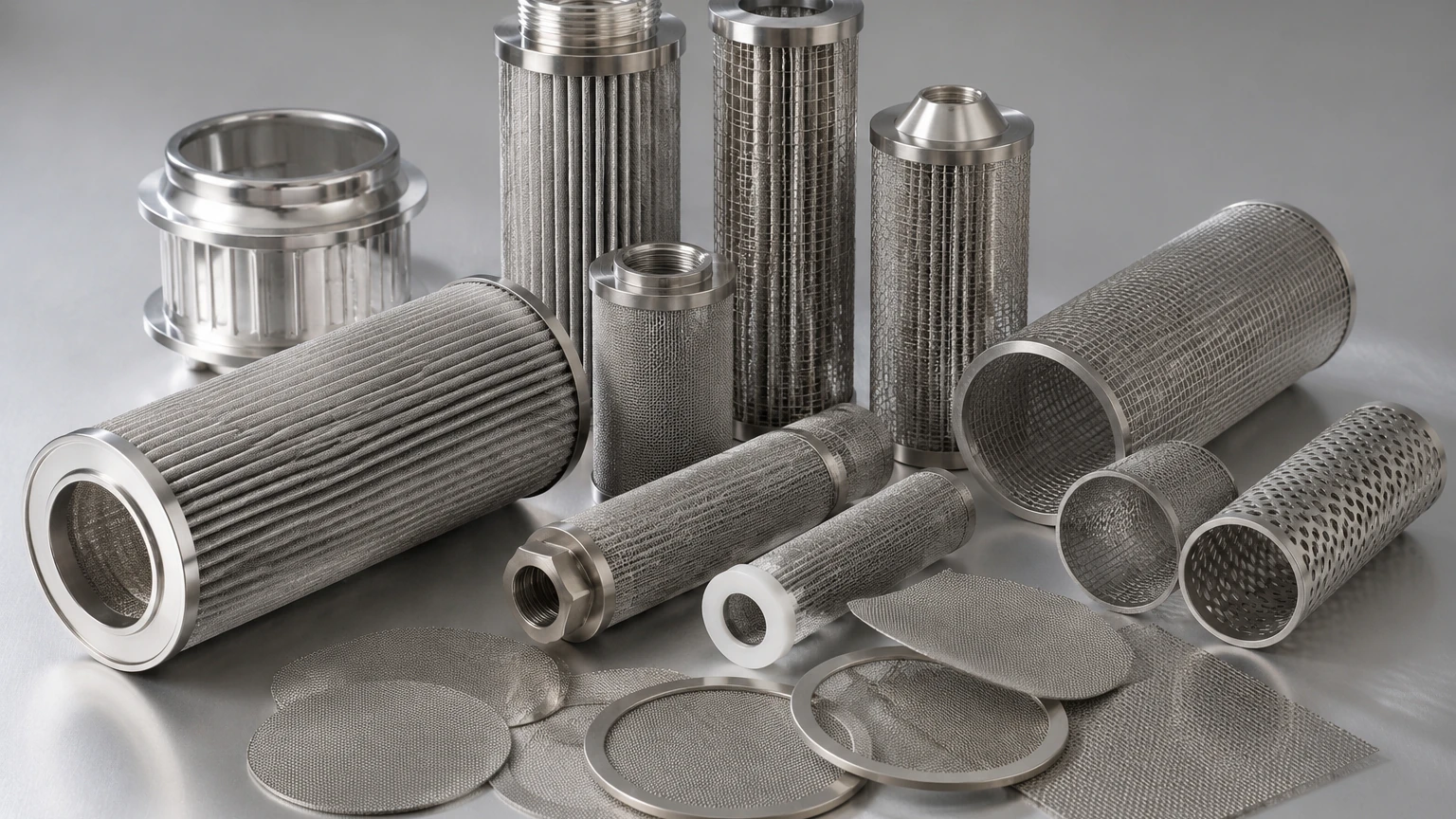
Before the oil enters the vacuum chamber, it often passes through a pre-filter. This stage is designed to remove large particulate contaminants that could clog dispersion nozzles or damage the vacuum pump. In many industrial settings, stainless steel wire mesh filters are preferred for this stage due to their high dirt-holding capacity and ability to withstand high-viscosity fluids without collapsing.
Post-Filtration (Polishing)
After the dehydration process is complete, the oil must be filtered to remove fine particulates. Even if the water is removed, microscopic metal shavings, silica, and soot can still cause abrasive wear in hydraulic components. High-precision stainless steel filter cartridges are frequently employed here to achieve absolute filtration ratings. Because the oil is already heated from the dehydration process, its lower viscosity allows for more efficient flow through fine-mesh media, resulting in a lower pressure drop across the filter element.
As a specialist in custom filtration, Kaifil provides the precision-engineered components required to maintain these systems. For detailed technical specifications on compatible filter media, you can visit the Main Page to review product options and application support.
Engineering Considerations for Filter Selection
When specifying filtration components for a vacuum dehydration unit, engineers must look beyond simple micron ratings. The demanding environment of a VDU—characterized by vacuum pressure, elevated temperatures, and potentially chemically aggressive oils—requires robust material selection.
Material Compatibility
Stainless steel (typically 304 or 316L) is the industry standard for VDU filtration. Unlike cellulose or fiberglass media, stainless steel is chemically inert and will not react with oil additives or synthetic lubricants. Furthermore, stainless steel elements do not shed fibers, ensuring that the filter itself does not become a source of downstream contamination.
Pressure Drop and Flow Rates
In a vacuum system, managing the differential pressure ($ΔP$) is critical. A filter with an excessively high pressure drop can cause pump cavitation or trigger system bypass valves, leading to untreated oil circulating through the system. Engineers should select filter geometries that maximize the effective filtration area, such as pleated stainless steel cartridges, which provide a larger surface area within a compact footprint.
Micron Rating: Absolute vs. Nominal
For critical hydraulic systems, absolute-rated filters are necessary. An absolute rating ensures that 99.9% of particles at a specific size are captured. In vacuum dehydration units used for transformer oil or turbine lubrication, filtration levels as fine as 1 to 3 microns are often required to meet stringent industry standards.
Common Risks and Performance Expectations
Implementing a vacuum dehydration unit is a significant investment, and several factors can influence its performance. Understanding these risks helps in designing a more resilient system.
1. Air Ingress: If the vacuum seals or filter housings are not properly maintained, air can leak into the chamber. This reduces the vacuum level, raises the boiling point of water, and significantly slows down the dehydration process.
2. Foaming: Certain oils, particularly those with high levels of detergent additives, may foam when subjected to a vacuum. This can lead to oil being sucked into the vacuum pump. Anti-foaming baffles and specific filter configurations can help mitigate this risk.
3. Filter Blinding: If the oil is heavily contaminated with sludge or varnish, standard filters may "blind" or clog rapidly. In these cases, using cleanable stainless steel wire mesh filters can reduce the total cost of ownership by allowing the elements to be ultrasonically cleaned and reused rather than replaced.
Maintenance and Replacement Cycles
The longevity of a vacuum dehydration unit depends heavily on the maintenance of its filtration stages. Unlike disposable filters, high-quality metal filters used in VDUs offer a predictable service life, but they still require monitoring.
* Differential Pressure Monitoring: Most modern VDUs are equipped with gauges to track the pressure drop across the filters. A sudden increase in $ΔP$ indicates that the filter has reached its dirt-holding capacity.
* Oil Analysis: Regular oil sampling is the only way to verify that the VDU is achieving its target moisture levels (typically below 100 ppm for most industrial oils) and cleanliness codes.
* Gasket and Seal Inspection: Because the system operates under vacuum, the integrity of the seals on the filter housings is paramount. High-temperature Viton or PTFE seals are usually recommended to ensure a leak-proof environment.
Customization for Specific Industrial Applications
Every industrial application has unique requirements that standard, off-the-shelf vacuum dehydration units may not fully address. Customization is often necessary to handle specific flow rates, oil types, or environmental conditions.
* Chemical Processing: In environments involving corrosive chemicals, 316L stainless steel is mandatory for all wetted parts, including the filter mesh and support structures, to prevent pitting and stress-corrosion cracking.
* Food and Beverage: For systems maintaining lubrication in food-grade machinery, filtration components must comply with relevant safety standards, ensuring that no contaminants are introduced into the production line.
* Hydraulic Power Units: High-pressure systems require filter housings and elements that can withstand significant mechanical stress during system start-up and shut-down cycles.
By working with a manufacturer capable of providing OEM and customized filtration solutions, engineering teams can ensure that their vacuum dehydration unit is equipped with components specifically tailored to their operational parameters. This level of customization ensures higher filtration efficiency and longer intervals between maintenance cycles.
Conclusion
A vacuum dehydration unit is a sophisticated piece of equipment that plays a vital role in maintaining the health of industrial fluids. By effectively removing dissolved water and gases, these units prevent the catastrophic failure of expensive machinery. However, the efficiency of the dehydration process is inextricably linked to the quality of the filtration components used within the system.
Selecting the right stainless steel filter cartridges and wire mesh components is essential for protecting the vacuum pump, achieving target ISO cleanliness levels, and ensuring the long-term reliability of the oil. For engineers looking to optimize their filtration strategy or source high-performance components for a vacuum dehydration unit, Kaifil offers the technical expertise and manufacturing capabilities to deliver reliable, custom-made solutions. For more information on how precision metal filtration can enhance your industrial processes, visit the Main Page to explore our full range of products and services.
