


Wastewater Treatment Screening
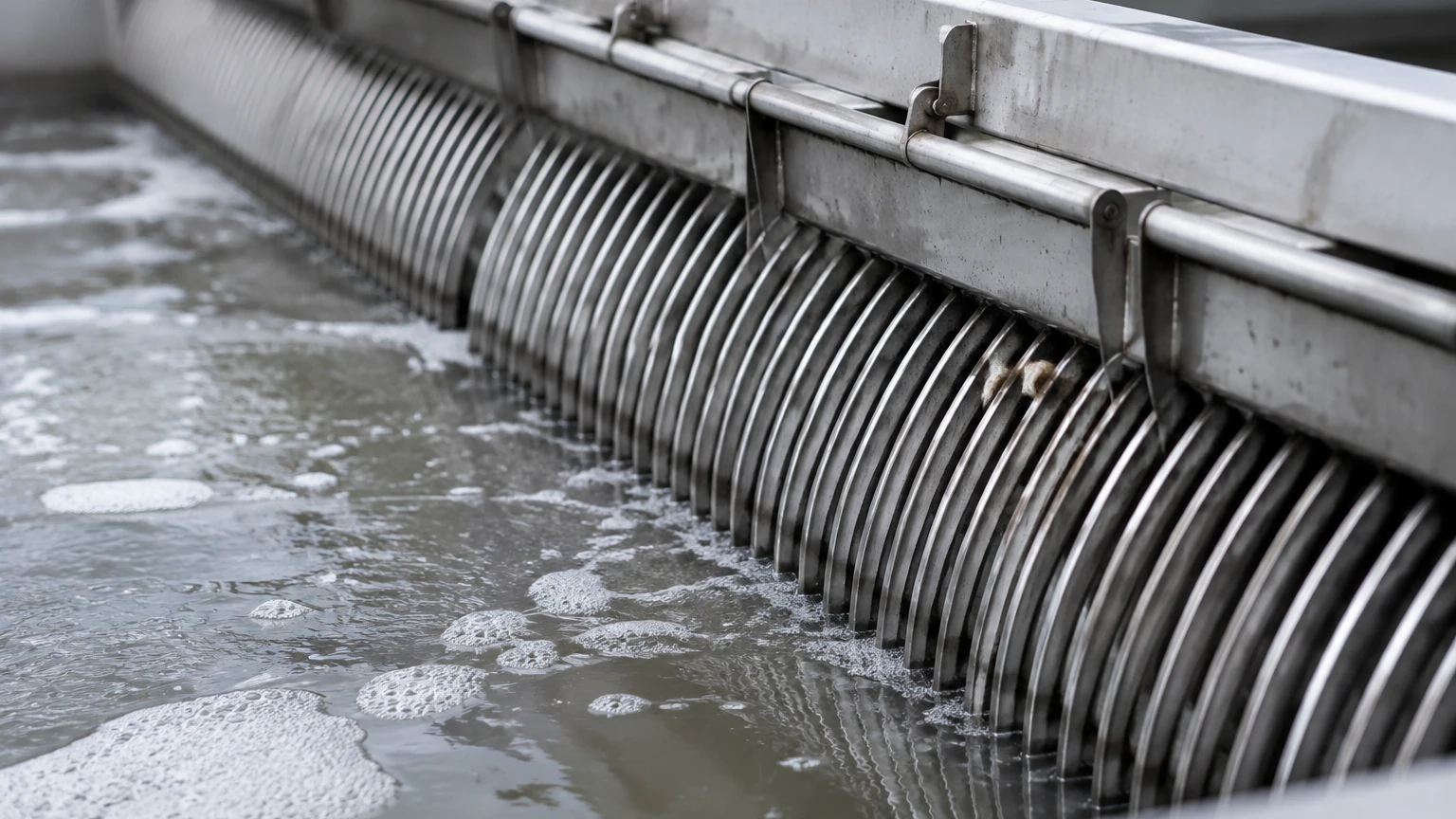
In industrial and municipal environments, wastewater treatment screening represents the critical first line of defense for any fluid management system. This process involves the physical removal of solids from the waste stream to prevent damage to downstream equipment, such as pumps and valves, and to ensure the efficiency of subsequent biological or chemical treatment stages. For engineers and facility managers, selecting the appropriate screening technology is not merely a matter of compliance but a strategic decision that impacts the longevity and operational cost of the entire treatment plant.
Effective wastewater treatment screening requires a deep understanding of the physical characteristics of the influent, the required flow rates, and the specific filtration accuracy needed for the application. Whether dealing with food processing effluent, chemical plant runoff, or municipal sewage, the choice of screening media—ranging from coarse bar screens to precision stainless steel wire mesh—determines the overall reliability of the system.
The Fundamental Role of Screening in Wastewater Treatment
The primary objective of wastewater treatment screening is to protect the integrity of the treatment process. By removing large objects, fibrous materials, and inorganic solids at the inlet, screening prevents mechanical failures and clogging in sensitive downstream components. In many industrial settings, these solids can include anything from plastic fragments and metal shavings to organic debris and textiles.
Beyond mechanical protection, screening also reduces the organic load on secondary treatment processes. By capturing a significant portion of suspended solids early, the demand on aeration tanks and biological reactors is minimized, leading to lower energy consumption and reduced sludge production. For engineers, the screening stage is where the "total suspended solids" (TSS) management begins, making it a pivotal point for optimizing the entire facility's performance.
Classifying Screening Technologies by Filtration Grade
Screening is generally categorized into three levels based on the size of the openings and the nature of the solids being removed: coarse, fine, and micro-screening.
Coarse Screening
Coarse screens typically feature openings larger than 6mm (approx. 0.25 inches). These are often designed as bar screens or trash racks. Their primary function is to capture large debris that could cause immediate catastrophic failure to pumps. While effective for large-scale protection, coarse screens do not provide the precision required for modern high-efficiency treatment systems.
Fine Screening
Fine screens utilize openings between 0.5mm and 6mm. This is where precision-engineered materials, such as stainless steel wire mesh and perforated plates, become essential. Fine screening is often used as a pre-treatment step for membrane bioreactors (MBR) or to protect fine-bubble diffusers. The use of high-quality stainless steel ensures that these screens can withstand the high hydraulic loads and abrasive particles common in industrial wastewater.
Micro-Screening
Micro-screening involves apertures smaller than 0.5mm. This level of filtration is often achieved using specialized stainless steel filter cartridges or fine-weave wire cloth. Micro-screening is frequently employed in tertiary treatment or for the recovery of valuable materials from process water in the food and beverage or pharmaceutical industries.
Material Selection: Why Stainless Steel is the Industrial Standard
In the context of wastewater treatment screening, the environment is often corrosive, abrasive, and subject to fluctuating pH levels. Consequently, material selection is one of the most critical engineering considerations. Stainless steel, particularly grades 304 and 316L, is the preferred material for high-performance screening components due to its unique mechanical and chemical properties.
Corrosion Resistance
Industrial wastewater often contains chlorides, hydrogen sulfide, and various organic acids. Grade 316L stainless steel, which includes molybdenum, offers superior resistance to pitting and crevice corrosion compared to standard carbon steels or lower-grade alloys. This is vital for screens that are submerged or exposed to aggressive chemical cleaning cycles.
Structural Integrity and Durability
Unlike plastic or synthetic mesh, stainless steel wire mesh maintains its dimensional stability under high pressure and temperature. This prevents "pore blinding" or mesh deformation, ensuring that the filtration accuracy remains consistent over the component's lifespan. Furthermore, the high tensile strength of stainless steel allows for the design of screens with a high open-area ratio without compromising structural rigidity.
Hygiene and Cleanability
In sectors like food and beverage or pharmaceuticals, the screening media must be easy to sanitize. Stainless steel’s smooth surface prevents the permanent adhesion of biofilms and organic matter, making it compatible with Clean-in-Place (CIP) systems and high-pressure washing.
Engineering Parameters for Effective Screen Design
When specifying screens for wastewater applications, engineers must balance several competing technical parameters. A poorly designed screen can lead to excessive head loss, frequent bypass events, or premature mechanical failure.
Flow Rate and Head Loss
Head loss is the reduction in fluid pressure as it passes through the screening media. It is influenced by the open area of the screen, the velocity of the fluid, and the degree of solids accumulation. Engineers must calculate the "clean screen" head loss and account for the inevitable increase in pressure as solids build up. Selecting a screen with an optimized open-area ratio is key to maintaining high flow rates while achieving the desired filtration fineness.
Aperture Size and Retention Efficiency
The aperture size must be selected based on the smallest particle that needs to be removed to protect downstream processes. However, smaller apertures increase the risk of clogging. In many cases, a multi-stage screening approach is more efficient than a single ultra-fine screen, as it distributes the solids load across different media types.
Velocity Through the Screen
The velocity of the wastewater as it approaches and passes through the screen (often referred to as the "approach velocity" and "through-screen velocity") must be carefully controlled. If the velocity is too high, solids may be forced through the mesh or become deeply embedded, making cleaning difficult. Conversely, if the velocity is too low, solids may settle before reaching the screen.
Customization and OEM Integration for Specialized Applications
Standard off-the-shelf screening solutions often fail to meet the specific demands of complex industrial processes. This is where customized filtration components become invaluable. For many equipment manufacturers (OEMs), integrating a custom-designed stainless steel filter cartridge or wire mesh screen is essential for the performance of their proprietary wastewater treatment systems.
Customization allows for the optimization of the filter’s geometry to fit existing housing, the selection of specific weave patterns (such as plain weave, twilled weave, or Dutch weave) to enhance particle retention, and the addition of reinforced frames or support structures. For instance, in high-pressure hydraulic wastewater systems, a reinforced stainless steel cartridge may be required to prevent collapse under surge conditions.
Working with a professional manufacturer like Kaifil allows engineers to develop bespoke solutions that address unique challenges, such as high-temperature effluent or highly viscous fluids. To explore the range of technical capabilities available for your project, you can visit the Main Page to review product options and application support.
Maintenance, Cleaning, and Longevity Considerations
The total cost of ownership (TCO) for wastewater treatment screening is heavily influenced by maintenance requirements and the replacement cycle of the screening media. A screen that is difficult to clean will lead to higher energy costs (due to increased head loss) and more frequent downtime.
Cleaning Mechanisms
Screens can be cleaned manually or through automated systems. Automated cleaning often involves mechanical rakes, brushes, or backwashing systems. For fine mesh screens, backwashing with high-pressure water or air is the most common method. The durability of stainless steel is a major advantage here, as it can withstand the mechanical stress of automated cleaning cycles without tearing or fraying.
Replacement Cycles
While the initial cost of a high-quality stainless steel screen may be higher than synthetic alternatives, its lifespan is significantly longer. Synthetic meshes are prone to UV degradation, chemical embrittlement, and physical tearing. In contrast, a well-maintained stainless steel filter can last for years, even in demanding industrial environments. Engineers should evaluate the cost of downtime and labor associated with frequent screen replacements when calculating the long-term value of the filtration system.
Evaluating Total Cost of Ownership in Filtration Systems
When purchasing screening components, procurement teams often focus on the capital expenditure (CAPEX). However, in the context of industrial wastewater, the operational expenditure (OPEX) is often the more significant figure. A high-performance screen contributes to lower OPEX by:
1. Reducing Energy Consumption: Lower head loss means pumps do not have to work as hard to maintain flow.
2. Protecting Downstream Assets: Preventing large solids from reaching pumps and membranes reduces repair and replacement costs for those expensive components.
3. Minimizing Chemical Usage: Efficient physical screening reduces the amount of coagulants and flocculants needed in later treatment stages.
4. Reducing Labor Costs: Durable, self-cleaning screens require less manual intervention and fewer emergency repairs.
By focusing on these factors, engineers can justify the investment in precision-engineered stainless steel filtration solutions that provide reliable, long-term performance.
Conclusion: Selecting the Right Partner for Screening Solutions
Wastewater treatment screening is a complex engineering challenge that requires a balance of material science, fluid dynamics, and mechanical design. Whether you are designing a new treatment facility or upgrading an existing process, the quality of your screening media is paramount. Choosing a partner with extensive experience in manufacturing custom stainless steel filtration components ensures that your system will operate at peak efficiency with minimal maintenance.
From selecting the correct grade of stainless steel to determining the optimal mesh weave for your specific solids load, technical expertise is the key to success. By prioritizing durability, precision, and customization, industrial operators can achieve superior filtration performance that stands up to the rigors of modern wastewater management.
